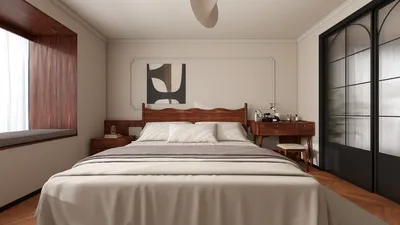


Throughout my experience installing wall panels across a variety of spaces—from compact urban apartments to expansive family homes—the immediate benefits are undeniable. When executed properly, wall paneling introduces a layer of texture, a welcoming warmth, and an elegant appearance that plain painted drywall simply cannot achieve. In addition to visual appeal, these panels can enhance sound quality, safeguard frequently used surfaces, and assist in delineating areas without the need for full walls, especially valuable in open floor plans, which can be designed through tools like Homestyler for user-friendly layouts.
The functionality of wall panels is also noteworthy. Research by Steelcase suggests that well-designed surfaces can significantly reduce perceived noise and distractions, thereby facilitating sustained concentration in versatile spaces like home offices (source: Steelcase Workplace Research). Furthermore, in accordance with WELL v2 guidelines, utilizing paneling strategies that feature matte finishes and incorporated lighting can effectively enhance visual comfort by controlling glare and ensuring balanced brightness across vertical surfaces. These insights emphasize that any paneling project goes beyond mere decoration; it plays a crucial role in influencing behavior and enhancing comfort.
The significance of color selection often exceeds initial expectations. An overview by Verywell Mind on color psychology indicates that shades like blue and green typically evoke feelings of calmness and stability, while warmer tones can elevate energy levels and foster social interaction. In crafting my paneling color schemes, I tend to opt for muted, cool shades in focus areas such as reading corners or study walls, while richer, warmer hues are best suited for conversation-centric spaces like dining rooms and entryways. It's important to consider reflectance values; a mid-range Light Reflectance Value (LRV) of 40–60 aids in maintaining balanced contrast and minimizing eye strain under typical home lighting conditions.
Defining Your Panel Style
There are two timeless approaches to paneling that evoke distinct atmospheres. The board-and-batten style introduces a strong vertical rhythm that can create an illusion of higher ceilings—ideal for contemporary farmhouse or Scandinavian aesthetics. Conversely, wainscoting provides an elegant, traditional feel, featuring panels capped with a rail that not only beautifies the space but also protects against chair scuffs. For more modern interiors, consider slatted wood or fluted MDF to add fine texture and a play of shadows, offering a contemporary edge without being overly ostentatious.
Planning the Layout
Achieving successful paneling hinges on proper proportions. I start by laying out a module (the repeating unit) that aligns with door frames, window divisions, and the widths of furniture. It's essential to maintain uniform vertical centers throughout the room to prevent visual imbalance. For ceilings ranging from 8 to 9 feet, a wainscot height of approximately 34 to 42 inches typically achieves a pleasing balance, while taller ceilings can warrant elevated chair rails or full-height panels to ensure appropriate scale. If you wish to visualize your layout before making cuts, utilizing a room layout tool like Homestyler can effectively simulate spacing and sightlines.
Material Selection and Sustainability
For my projects, I often recommend primed MDF for painted profiles, which is dense, smooth, and cost-effective. For those seeking a more natural aesthetic, responsibly sourced solid oak or ash with a clear matte finish is an excellent choice. In moisture-prone areas, moisture-resistant MDF or PVC panels are preferable, along with mildew-resistant primer. If environmental considerations are a priority, ensure to select low-VOC finishes and verify supplier certifications—WELL v2 advocates for material transparency and emission limitations that promote healthier indoor environments. Texture also plays a crucial role: subtle wood grain can mask minor dents, while high-gloss finishes highlight defects more easily.
Acoustic Comfort and Behavior
While paneling alone won't suffice for comprehensive acoustic treatment, it can bolster sound quality when paired with softer materials. In living areas, slatted panels with felt backing can mitigate flutter echoes. Meanwhile, upholstered panels situated behind headboards in bedrooms can absorb sound reflections and create a quieter environment. Steelcase research indicates that minimizing noise variability enhances cognitive performance, illustrating that even small improvements in acoustics contribute positively to daily routines.
Light, Color, and Glare Control
The relationship between panel surface finish and lighting is crucial. High-gloss finishes may appear stylish but can result in distracting glare, particularly under directional LEDs. I prefer satin or matte paints for vertical panels, complemented with warm-white lighting (2700–3000K) in living spaces and neutral-white (3500–4000K) in work areas. Ensuring balanced vertical illumination is vital; avoid spotlighting one panel while leaving adjacent areas in shadow. The IES recommends carefully placing fixtures to maintain comfortable luminance ratios, which can be achieved at home using wall washers or diffused sconces to illuminate panels evenly. For deeper panel profiles, a top rail LED can wonderfully highlight texture without creating hot spots.
Tools and Preparation
Collect essential tools such as a miter saw, level, stud finder, construction adhesive, brad nailer (18-gauge), caulk, wood filler, primer, and topcoat. Before making any cuts, mark the locations of the studs and strategize your nail points. If the wall isn’t perfectly plumb—a common issue—align the panels with the most visible vertical reference (often a doorway) and smooth out transitions using caulk and paint. Sand down the edges of primed MDF lightly to avoid raised fibers that may show through the paint.
Installation Workflow
- Use painter’s tape to dry-fit your layout and confirm spacing.
- Begin by installing a base cap or bottom rail to set a level reference point.
- Secure stiles and rails with adhesive and brads, continuously checking for level as you proceed.
- Fill any nail holes, spot-prime, and sand to a smooth finish.
- Caulk all seams to create a seamless, unified appearance (opt for paintable, flexible caulk).
- Apply two finish coats while maintaining wet edges to avoid lap marks.
Spatial Ratios and Visual Balance
Paneling inherently creates rhythm; thus, it should remain cohesive. I aim for ratios of 1:1 or 1:1.5 between panel width and spacing. In narrow hallways, slimmer panels can prevent a tunnel effect, while broader modules in expansive rooms slow visual pacing, leading to a more grounded feel. Align the tops of the panels with existing horizontal lines—be it window headers or picture rails—to avoid visual discord.
Cost and Timeline
Crafting a DIY painted MDF wainscot for a 12-foot wall generally costs less than a tailored millwork option. Material costs can vary based on the chosen finish; anticipate a weekend project for a single wall, including drying time. More intricate designs, curved walls, or integrated lighting will extend the timeline and necessitate meticulous planning.
Maintenance and Longevity
For high-traffic areas, choose resilient enamel or scuff-resistant paint. Satin finishes facilitate easier touch-ups, while gloss finishes can highlight imperfections. When it comes to wood panels, use gentle cleaners—avoid ammonia-based products that could dull finishes. Recaulk minor cracks due to house settling; small shifts in joints might occur with temperature fluctuations.
Design Variations to Consider
- Opt for grid-style panels for a contemporary library atmosphere.
- Use vertical slats in entryways to elongate compact spaces.
- Consider upholstered panels in bedrooms for a serene, tactile backdrop.
- Implement painted beadboard in mudrooms for a coastal, easily cleanable surface.
- Experiment with mixed-material panels (wood alongside cork) in home offices to create areas for pinning notes while softening sound.
Common Mistakes to Avoid
- Overlooking wall irregularities can lead to tapered panels.
- Employing gloss paint in sunlit rooms can produce distracting glare.
- Neglecting caulk results in visible shadow lines that detract from a unified look.
- Selecting overly narrow modules may make the space feel cluttered and reduce perceived width.
- Forgetting to align color temperature with the function of the room can diminish effectiveness.
Frequently Asked Questions
Q1: What is the ideal panel height for standard ceilings?
A: For ceilings between 8 and 9 feet high, a wainscot of 34 to 42 inches typically balances well with the walls. Taller ceilings can accommodate up to 48 inches or full-height panels, depending on the alignments of windows and doors.
Q2: Which materials offer durability in high-traffic areas?
A: Primed MDF featuring a quality enamel finish provides resilience and affordability. For entryways or mudrooms, beadboard or PVC panels are advisable due to their additional moisture resistance.
Q3: How can I minimize glare from glossy panels?
A: Opt for satin or matte finishes, use diffused sconces or wall washers for illumination, and maintain color temperatures around 2700–3000K in living spaces. Achieving balanced vertical illumination can help mitigate hot spots, as referenced in IES guidance.
Q4: What layout blunders should I steer clear of?
A: Ensure panels remain aligned with architectural references. Consistent module widths and proper alignment with door and window centers are crucial—and testing spacing with tape before securing can prevent problems.
Q5: Can paneling enhance acoustics?
A: Yes, it can be effective when combined with soft finishes. Utilizing slatted wood with felt backing or upholstered sections can notably reduce flutter echoes. Steelcase research links lower noise variability to increased focus, demonstrating the value of minor acoustic upgrades.
Q6: Which colors fit a home office versus a living room?
A: Muted blues and greens are ideal for workspaces, promoting calmness and focus; richer, warmer colors can enhance sociability in living areas, aligning with color psychology findings from Verywell Mind.
Q7: How should I address uneven walls?
A: Establish a clear plumb reference (like a doorway), trim panels accordingly, and apply flexible, paintable caulk to accommodate minor deviations before painting.
Q8: Is integrating lighting into panels worthwhile?
A: Definitely—cove or rail LEDs can beautifully highlight textures and improve vertical brightness. Aim for 3500–4000K in workspaces and 2700–3000K in living areas for optimal function.
Q9: Which finish is simplest to maintain?
A: Satin or eggshell finishes offer an excellent balance—they effectively conceal minor imperfections and allow for straightforward touch-ups without creating noticeable differences in sheen.
Q10: Is mixing materials on one wall acceptable?
A: Absolutely! Combining wood slats with cork or fabric inserts can enhance texture, provide areas for pin-ups, and subtly reduce sound reverberation in multifunctional spaces.
Homestyler is your go-to online home design platform, perfect for transforming your ideas into reality. With its user-friendly design tool, stunning 3D renderings, and a wealth of DIY video tutorials, you'll find everything you need to create your dream space effortlessly.
Дизайн сейчас бесплатно
































