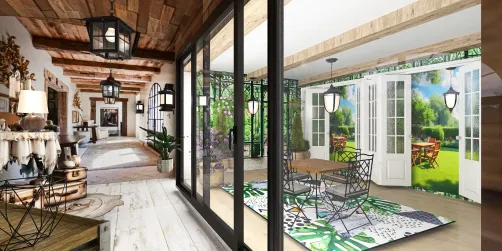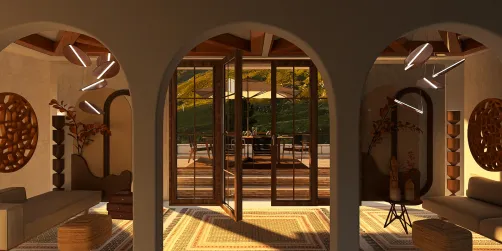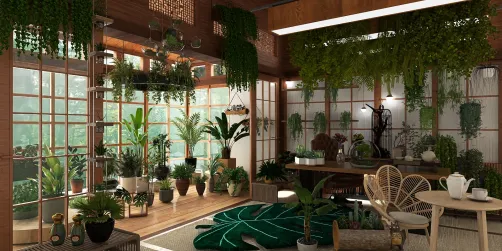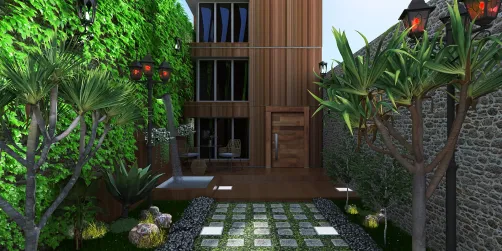
Tri edges, commonly referred to as triangle edges, are essential in 3D modeling, particularly in the realms of computer graphics, animation, and video game development. In contrast to quads, which consist of four sides, tris are the most fundamental type of polygon, giving them a stable advantage when rendered in engines and game design platforms. Their simplistic structure allows for more efficient real-time rendering as they minimize the complexities involved in surface splitting and display. However, excessive dependence on tri edges may lead to certain difficulties including smoothing artifacts, UV mapping issues, and complications with subdivision surfaces. Most expert workflows advocate starting with quads and only transitioning to tris when exporting or fulfilling specific modeling requirements. As a designer, I often focus on the strategic flow of edges to maintain model versatility, enhance performance, and achieve visual coherence—this is crucial whether involved in architectural visualization or creating product prototypes. Utilizing a 3D Floor Planner tool like Homestyler can aid in pinpointing areas where toggling between quads and tris enhances both the visual appeal and technical precision of your design.
Tip 1:
When crafting complex surfaces, it's advisable to use tri edges judiciously and prioritize having a well-structured topology. Prior to subdividing or exporting your mesh, inspect for any unnecessary tris that could impede further modifications. Careful edge placement leads to more refined and predictable outcomes in rendering and animation.
FAQ
Q: Why are tri edges significant in 3D modeling?
A: They represent the simplest form of polygon, thus ensuring stability and consistent rendering across most graphics engines.
Q: Should I favor tris or quads while modeling characters?
A: Quads are preferred for both modeling and animation; tris find their application primarily during final export or within game engines.
Q: Do tri edges impact rendering performance?
A: Yes, tris can enhance rendering speed in real-time situations owing to their simplicity, but excessive usage can detrimentally affect mesh editability.
Q: How can I detect and rectify undesired tri edges?
A: Use the mesh analysis features available in your 3D modeling software to identify and convert any unwanted tris back to quads as required.
Q: Are there particular industries that utilize tri edges more intensively?
A: Industries like game and VR development rely heavily on tris, while architectural visualization generally favors quads during the design process, switching to tris for the final stages of export and rendering.



Looking to transform your home design ideas into reality? Homestyler offers an intuitive online design tool, stunning 3D renderings, and an inspiring collection of DIY tutorials. Perfect for both novices and seasoned decorators, it's your go-to platform for creating beautiful spaces with ease!