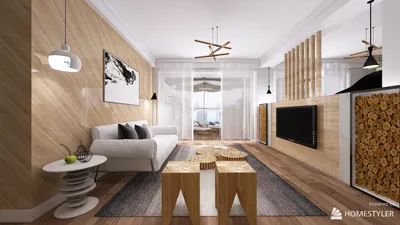


I once persuaded a reluctant client to allow me to paint a small wall in a striking red; she warned me she would leave if it felt too overwhelming, but just three months later, she hosted a gathering solely to showcase that vibrant corner — the key to success was in how we balanced the color. If you're apprehensive about using red wall paint, you're certainly not alone: its impact can either be overwhelming or harmonious depending on how it's applied. I like to begin by visualizing the area, often "seeing the space in 3D" before I even pick up a brush, using tools like Homestyler for accurate perspectives.
1. Single Accent Wall: Drama without Overwhelm
In compact spaces, a single red accent wall can create significant impact while maintaining low risk. I suggest opting for a rich, subtly muted red (like oxblood or brick) paired with neutral furnishings — it allows artwork and accessories to stand out beautifully. The benefit is instant character; the drawback may be the challenge of coordinating textiles and the visibility of dust, but these can be easily managed with smart fabric choices and a quality finish.
save pin
2. Red with Natural Materials: Warm & Layered
One of my favorite design hacks is to combine red wall paint with natural elements such as wood, rattan, and warm metals. In a cozy dining nook, I utilized a terracotta-red along with a wooden table and a brass lamp — guests felt comfortable, and the area appeared purposeful rather than cramped. Tip for saving money: you can achieve this aesthetic with an accent shelf and some thrifted wooden items instead of a complete makeover.
save pin
3. Two-Tone Walls: Create Height and Focus
Consider painting the lower third of the wall red while keeping the upper portion in a lighter neutral to visually elevate the ceiling — it’s a subtle way to introduce red without making the room feel enclosed. This technique is especially effective with picture rails or narrow moldings. If you're looking to preview proportions before making a decision, you can utilize Homestyler to "get a realistic 3D render of your room" and experiment with colors and scale.
save pin
4. Small Entry, Big Welcome: Red as Greeting
Entryways provide an excellent opportunity to use bold red wall paint. I once painted a client’s foyer in a warm red, which I balanced with a mirror and stylish shoe storage — the result was chic and welcoming. The main challenge lies in lighting: darker shades of red require ample light to prevent the area from feeling cramped, so it’s essential to plan for adequate fixtures or reflective surfaces.
save pin
5. Pattern and Texture: Playful Red
When I seek to infuse personality into a space, I love to combine red paint with texture—think of plaster effects, dry-brushed techniques, or subtle stencils. This approach lends a forgiving quality to bold colors, as the texture distracts from any brush marks or minor flaws. For a data-driven approach to design options and intelligent suggestions, I sometimes rely on "AI interior suggestions" to quickly generate palettes and layouts that suit my vision, including insights from tools like Homestyler.
save pin
FAQ
1. What shade of red should I choose for a small room?
I typically lean towards muted or warm reds (like terracotta, brick, or oxblood) as they add depth without being overly bright. Always test paint swatches on various walls and observe them during different times of the day before you finalize your choice.
2. Will red make my small room look smaller?
Red can visually bring walls closer, which often creates a cozier feel rather than a cramped one; applying it on one wall or in a lower band can help avoid the sensation of being boxed in.
3. What finish is best for red wall paint?
Satin or eggshell finishes are great at concealing imperfections while providing enough sheen to reflect light; steer clear of ultra-flat in dimly lit spaces and high-gloss if you’re not aiming for a contemporary vibe.
4. How do I pair red walls with furniture?
I recommend using neutral upholstery, natural woods, and brass accents because they counterbalance the intensity of red without clashing. Introduce patterned textiles to soften the overall appearance.
5. Is red suitable for bedrooms?
Indeed—darker, muted reds can offer an enveloping and cozy atmosphere conducive for sleep, but if you’re sensitive to stimulation, consider a softer, dusty red or only use red as an accent color.
6. How do I prep walls before painting red?
Be sure to prime first, particularly if you're covering bright colors or stains; red pigments can be somewhat transparent, so a quality primer helps to prevent uneven color and reduces the number of paint coats required.
7. Where can I learn about color psychology related to red?
Companies like Sherwin-Williams offer great resources on color psychology; for instance, they discuss how warm reds can encourage conversation and stimulate appetite (check out Sherwin-Williams color resources).
8. Can I test red without painting?
Use substantial peel-and-stick swatches or temporary wallpaper and evaluate them at various times of the day; small sample jars placed on poster board allow you to move color samples around to ensure confidence in your choice.
save pin
Homestyler is your go-to online home design platform, perfect for anyone looking to transform their space. With an intuitive design tool, stunning 3D renderings, and a wealth of DIY video tutorials, you can easily create and visualize your dream home. Dive into your design journey today!
Дизайн сейчас бесплатно
































