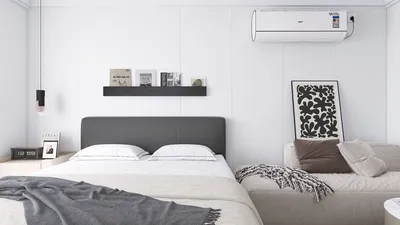


Incorporating purple into your living room design can be highly rewarding when managed thoughtfully. Utilizing layered lighting and an understanding of proportions creates a harmonious environment. I consider purple a temperature-adjustable neutral filled with character: using deep aubergine for richness, soft heather for a gentle touch, and vibrant electric violet for striking, impactful highlights. Instead of a uniform color scheme, the goal is to develop a curated palette that balances light, materials, and comfort, ensuring the space feels inviting, expressive, and effortlessly livable with tools like Homestyler.
Research shows that intentional choices in color and comfort significantly enhance living spaces. According to WELL v2 standards, ambient light levels should ideally be around 215 lux (20 fc) for lounge areas, complemented by layered task lighting to minimize eye strain. This research also emphasizes the importance of glare control and color rendering for visual well-being. Studies by Verywell Mind indicate that purple is often linked to creativity and luxury, yet its saturation and value play critical roles in setting the room's mood. I apply this information practically by opting for softer shades on expansive surfaces and deeper hues on smaller elements, while ensuring lighting maintains a high Color Rendering Index (CRI) to keep purples vibrant.
When arranging multi-purpose living rooms, the flow of the space holds as much significance as the color scheme. Steelcase's workplace research highlights that having control over settings enhances comfort and engagement—these principles resonate well in home design. Creating distinct areas for conversation, reading, and media interaction helps to prevent purple from becoming overpowering visually, guiding the viewer's eye and enabling varied physical postures. In my designs, I establish an ergonomic seating zone with appropriate seat heights (17–19 inches), complemented by a reading nook and an adaptable seating area near natural light, enhancing the overall ambiance.
Create a Unified Purple Color Scheme
My approach to color involves a three-tier strategy: base, body, and accent. The base (60%) includes warm grays, parchment, or mineral taupe to ground the purple notes. The body (30%) introduces your main purple—perhaps a smoky lavender on the walls or a plush plum sofa. The accent (10%) adds contrast—consider materials like antique brass, matte black, or olive to highlight the palette. Always remember the Light Reflectance Value (LRV)—colors within the 45–60 LRV range help maintain brightness while preserving the essence of purple.
Choosing the Ideal Purple Based on Lighting
The type of natural light your living room receives can drastically alter how purple appears. In cooler northern light, opt for mauve with subtle red undertones to prevent dullness. Conversely, in sunny southern light, grayer lavenders can minimize glare. At night, using dimmable LEDs with temperatures between 2700–3000K keeps purples feeling warm and inviting. A high CRI (90+) is essential for preserving color integrity, aiming for a balance of ambient (200–300 lux), functional task lighting (300–500 lux), and accent lighting (100–150 lux) to enhance texture. For further insights, IES suggests achieving harmony in ambient and task light to alleviate visual fatigue.
Balancing Texture and Gloss
Purple can quickly evoke drama, so it's important to incorporate a variety of textures. Pair a velvet plum ottoman with bouclé or linen sofas for a rich aesthetic. Opt for eggshell or matte finishes on walls to avoid harsh reflections that can distort violet shades. If you choose metallic elements, lean towards antique brass, bronzed nickel, or patinated steel; cool chrome can elevate lavender to an overly sweet appearance, while warm metals add a touch of sophistication.
Ground with Neutrals—And One Showstopper
A single standout element—like an aubergine sofa or a large amethyst-toned area rug—holds more presence than multiple competing items. Surround this piece with low-contrast neutrals, such as stone-flecked wool rugs or textured plaster. Maintain warm wood tones (white oak, walnut) to complement the red-violet undertones. Should your statement piece be on the wall (like deep eggplant), balance it with light drapery, slim black iron accents, and clear glass for a sense of lightness.
Design Functional Areas for Everyday Life
Color should enhance functionality. I delineate three practical spaces: a conversational hub with a 7–9 ft sofa flanked by lounge chairs (36–42 inches clearance), a reading nook featuring a compact bookcase, and a multi-use media wall. Employing a room layout tool is invaluable for experimenting with furniture arrangement and sightlines before making any commitments. Ensure circulation paths are a minimum of 36 inches and maintain a comfortable distance (16–18 inches) between the coffee table and sofa for ergonomic reach.
Layered Lighting for Purple Spaces
Lighting plays a crucial role in how purple is perceived, so layering different sources is key. Wall washers can evenly illuminate lavender walls; a shaded floor lamp positioned by the sofa creates an intimate, warm setting for conversation; and a rotating sconce in the reading area caters to focused tasks. Incorporating dim-to-warm fixtures (ranging from 3000K to 2200K) fosters a cozy nighttime atmosphere. Be mindful of the Unified Glare Rating (UGR) by shielding LED points and using diffusers, as glare can obscure color and contribute to eye fatigue. Refer to IES guidelines for best practices and standards.
Utilizing Color Psychology—With Care
The perception of purple varies, as the human brain associates desaturated shades with creativity and bright, saturated hues with high energy. I recommend placing vivid violet accents in areas designated for quick, enjoyable views—like throw pillows, artwork, or decorative trays—to maintain a functional atmosphere. Alternatively, in areas requiring relaxation (like the backdrop of a sofa), I opt for softer shades like muted heather or dusty lilac that provide a calm rather than an energizing effect.
Addressing Acoustics and Comfort
Living rooms with hard surfaces can amplify sound, making vibrant hues feel overly assertive. I propose using a wool area rug (preferably 9x12 for most mid-sized rooms), lined drapes, and upholstered panels or fabric-wrapped art to reduce reverberation. A quieter ambiance allows deep purple tones to feel warm and enveloping rather than heavy. Opting for seat depths between 21–23 inches accommodates a variety of body types, and lumbar pillows help enhance comfort across different seating positions.
Choosing Eco-Friendly Materials
For maintaining color integrity without a glossy appearance, select low-VOC, water-based paints. Consider eco-friendly upholstery fabrics, such as recycled polyester velvet or mohair blends, that resist wear. When selecting purple rugs, opt for hand-tufted New Zealand wool, which takes dye beautifully and endures well over time. If you favor a more contemporary look, microcement in warm gray can be beautifully combined with plum wood stains for a sustainable yet sophisticated palette.
Styling Tips: Incorporating Art, Greenery, and Metals
Artwork featuring a hint of purple can unify the color scheme, provided it doesn’t come off as overly explicit. I prefer black-and-white abstracts accented with a singular violet stroke, mirroring this color in the textiles. Incorporating greenery—like olive, fiddle-leaf, or eucalyptus—refreshes the design, acting as purple’s natural complement and preventing monotony. Keep metallic finishes consistent, using no more than two variations to minimize visual chaos.
Two Striking Purple Design Schemes
Walls: soft greige with violet undertones; Sofa: charcoal; Accent chairs: aubergine velvet; Rug: bone wool; Metals: blackened steel; Lighting: 3000K, high CRI, dimmable; Art: monochrome with a violet line. This creates a precise, gallery-like quality.
Walls: matte dusty lavender; Sofa: camel leather; Rug: vintage plum and rust; Metals: aged brass; Wood: walnut; Lighting: layered at 2700K in the evening; Pattern introduced through a kilim or block-printed pillows. A collected feel, rather than a themed one, emerges.
Common Mistakes—and Their Solutions
- Over-saturation: Decrease the area occupied by purple; transition to muted tones for expansive surfaces.
- Lack of depth in lighting: Introduce a floor lamp and wall washer; employ dim-to-warm LEDs to revive dimension.
- Unwanted cool undertones: Add warmer metals and walnut tones; adjust the color temperature to 2700–3000K in the evening.
- Visual overwhelm: Limit accents to 10% of the room; duplicate one shade of purple a few times instead of mixing several variants.
Cited Resources
For evidence-based recommendations on lighting quality and visual comfort, refer to the WELL Building Standard Light concept (v2.wellcertified.com). For color and mood insights, visit Verywell Mind’s color psychology resource for easily digestible summaries (verywellmind.com/color-psychology).
Frequently Asked Questions
Q1. Which shade of purple is ideal for smaller living environments?
Utilizing a soft heather or dusty lilac with a moderate LRV (around 50–60) creates an impression of spaciousness while retaining color integrity. Keep ceilings lighter with a single, deeper plum accent for balance.
Q2. How can I illuminate purple walls without causing a blotchy appearance?
Implement wall washers or wide-beam sconces equipped with diffusers to maintain an even glow. Choose LEDs with a CRI above 90 in the 2700–3000K range, adjusting layers individually for better control.
Q3. Can a purple sofa remain a timeless choice?
Absolutely—select a muted aubergine or eggplant in a matte fabric. Pair with neutral area rugs and warm woods, while avoiding overly bright or trendy contrasts; allow art to introduce smaller pops of color.
Q4. What neutral colors complement purple best?
Warm grays, parchment, bone, and walnut tones are excellent choices. Cool blue-grays may cool lavender’s effect; balance this with brass or camel leather for cooler bases if desired.
Q5. How does color temperature influence purple hues during nighttime?
At 2700–3000K, purples appear inviting and rich. Temperatures above 4000K will render them cooler and potentially sterile. Using dim-to-warm fixtures retains the soft ambiance needed for evening settings.
Q6. What rug dimensions suit most living rooms with a purple theme?
A 9x12 rug is typically ideal, ensuring the fronts of seating are placed atop the rug for visual cohesion. In tighter spaces, an 8x10 might be suitable if circulation space is limited.
Q7. How can I prevent purple from dominating an open-concept area?
Control saturation by designating one purple focal point in each zone, anchored by a shared neutral backdrop. Subtly repeat a consistent purple tone across the spaces for continuity, avoiding overload.
Q8. Are there established guidelines for comfortable lighting levels?
WELL v2 recommends approximately 215 lux for ambient lighting in lounge areas, with additional task lighting as required. IES stresses the importance of layered lighting techniques along with glare reduction for maximum comfort.
Q9. What’s an ergonomic distance between coffee tables and seating in a purple-themed setup?
Maintain a distance of 16–18 inches between the sofa front and table edge for comfort, ensuring circulation paths around the seating area remain a minimum of 36 inches.
Q10. What metallic finishes pair nicely with purple tones?
Opt for aged brass, bronzed nickel, and blackened steel to match plum and mauve shades effectively. Limit to two finishes to prevent overcrowding the visual experience.
Q11. How can I merge patterns while working with purple?
Utilize one primary pattern—either a rug or upholstery piece—and one subtle supporting pattern, like pillows. Ensure the purple hues across both patterns are consistent for visual harmony.
Q12. Any suggestions for renters unable to repaint?
Introduce purple through various textiles—rugs, throws, and artwork. Adding a standout chair can make a statement, and changing lamp shades to warmer materials can enhance tones, especially in the evening.

Thyle 6 Pcs Stackable Stools Wooden Stools 16.5
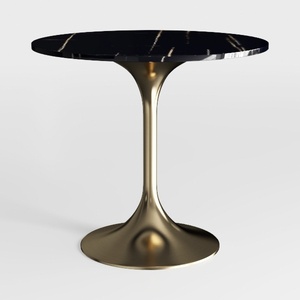
Bristol 31" Round Dining Table, Sintered Stone & G
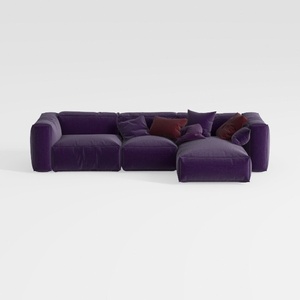

Glory Furniture Malone Microsuede Sectional in Pur
Homestyler is your go-to online home design platform! With its user-friendly design tool, stunning 3D renderings, and an array of DIY video tutorials, you can effortlessly create and visualize your dream space. Unleash your creativity and transform your home with ease!
Дизайн сейчас бесплатно
































