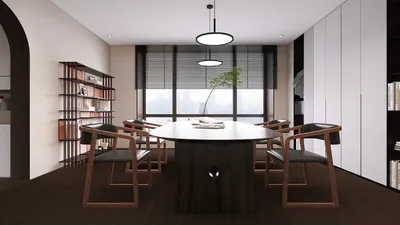


I've crafted numerous intimate living rooms, where light either enriches the atmosphere or casts shadows. In smaller spaces, each lumen and angle holds significance: a well-designed combination of ambient, task, and accent lighting can transform a modest area into a welcoming, spacious, and visually appealing environment. I view these spaces as intricate designs—incorporating soft overhead lighting, focused reading lamps, and subtle highlights on textures—ensuring the viewer's gaze flows smoothly, making the room feel both inviting and illuminated.
Effective lighting isn’t left to chance; it can be precisely optimized. The WELL v2 Light concept suggests minimizing glare while providing suitable illumination for various tasks. The Illuminating Engineering Society (IES) generally recommends achieving an ambient light level of around 100–300 lux for living areas, with task zones, such as reading, often needing 300–500 lux. These standards guide my choice of fixtures and dimming settings for various situations—movie nights, entertaining guests, or quiet reading sessions. For a deeper understanding of lighting quality, consulting the IES standards and the WELL v2 Light concept can be very beneficial.
User behavior greatly influences design. Research from Steelcase indicates that environments catering to diverse postures and activities enhance comfort and engagement; for living rooms, this means implementing flexible lighting layers. I strategize for three to five adjustable zones: general ambient, task lighting for reading, accent lighting on artwork or shelving, and a subtle glow near the floor for safe passage. This zoning approach alleviates eye strain, minimizes harsh contrasts, and allows for increased brightness without losing warmth.
Create a Multifaceted Lighting Strategy
Begin by analyzing your room usage: relaxing on the sofa, watching movies on weekends, casual work on a laptop, or entertaining friends. Based on this, designate your lighting layers. Ambient light could originate from a glare-free ceiling fixture or two semi-flush mounts, while task lighting might be a swing-arm lamp next to the sofa. Accent lighting could involve a picture light or small LED fixtures within a media cabinet. If you want to experiment with furniture and lamp arrangements before your purchase, utilizing a layout simulation tool like Homestyler can enhance visual planning and precision.
Opt for Warm–Neutral Color Temperatures
Color temperature sets the mood of a space. I usually maintain a range of 2700K to 3000K for cozy small living rooms; if the area also serves as a workspace, incorporating a 3500K task lamp helps maintain clear visuals. The WELL v2 emphasizes reducing circadian disruption, so it’s wise to steer clear of overly cool lighting in the evening. A harmonious warm-neutral color scheme across all fixtures avoids a disjointed appearance and ensures flattering skin tones.
Achieve Balance Between Brightness and Glare
Compact spaces can accentuate contrast. Utilize diffused light sources, such as fabric drum shades, opal glass globes, or indirect uplighting, to achieve uniform illumination. Protect bare bulbs and select high-quality LEDs with a Color Rendering Index (CRI) of 90+ to ensure accurate color presentation. Place lights off-axis from shiny surfaces like TV screens to minimize glare. For ceiling lighting, consider fixtures with shallow profiles and broad beam angles to avoid creating intense spots above.
Maximize Vertical Surfaces
In tight areas, walls become essential. Install slim sconces alongside sofas, or direct an adjustable floor lamp at a wall to reflect light and create the illusion of a larger space. This vertical lighting increases the perceived height of a room and alleviates any heaviness in the corners. I also favor small linear LEDs along the backs of shelves to define shapes without cluttering the space.
Incorporate Dimmers and Set Lighting Scenes
Dimming holds the key to creating a cozy atmosphere. Implement dimmers on all hardwired lights and leverage smart plugs for table lamps. Establish straightforward scenes: 30% ambient + 60% task for reading; 10% ambient + 30% floor lighting for movie nights; 70% ambient + 40% accent for gatherings. This method adheres to both IES-recommended guidelines and your daily patterns.
Purposefully Select Compact Fixtures
Size is vital. In smaller rooms, oversized lamps can dominate visual lines. Opt for smaller drum shades, sleek arc lamps with limited reach, and low-profile ceiling lights. Emphasize quality optics over sheer size—effective diffusion and controlled beam spreads enable smaller fixtures to perform admirably. Material choice is also important: using natural linen or textured glass softens light and enhances acoustic comfort by minimizing reflections.
Understand Color Psychology and Evening Warmth
Warm lighting fosters relaxation and social interaction. Grounded in color psychology findings, warmer tones can boost feelings of comfort and diminish stress responses. I often combine 2700K lamps with amber-hued accent lighting on wood or woven surfaces; this combination appears cozy without seeming dim.
Implement Task Lighting for Reading and Work
Aim for task lighting between 300–500 lux around seating areas, utilizing adjustable arms or focused shades. Position lamps just behind and to the side of the user's dominant hand to minimize shadows on reading materials or keyboards. If the space includes a compact desk, consider adding an adjustable LED task lamp with a high CRI and glare-reflecting baffles.
Highlight Art and Texture with Accent Lighting
Accent lighting deepens visual interest. Utilize beam angles from 15 to 30 degrees for framed artwork to minimize spill, keeping illuminance around one-third of ambient light to maintain a gentle highlight. Illuminate textured surfaces like plaster, brick, or ribbed wood with grazing light from a linear fixture to enhance richness without adding clutter.
Provide Floor-Level Lighting for Safety and Tranquility
A subtle path of light fosters visual comfort and tranquility. Consider using LED toe-kick lights along cabinetry or beneath floating consoles to guide movement with a soft glow. This design layer ensures ambient light remains soft while maintaining adequate illumination for circulation.
Optimize Window Treatments for Daylight
Natural light is the most effective resource. Use light treatments—such as sheer curtains or top-down shades—to diffuse glare while allowing for brightness. Coordinate artificial lighting so that color temperature complements daylight; on bright days, consider dimming warmer bulbs to avoid a muddy color mix.
Simplify Controls: Fewer Switches, Smarter Grouping
Organize controls by activity instead of fixture location. Group ambient lighting, task lighting, and accent lighting collectively. In smaller spaces, reducing switch clutter makes practical use intuitive, encouraging you to utilize the various lighting layers you've curated.
Lighting Layout Recommendations
Strategic furniture placement can enhance or obstruct light flow. Position a reading chair near an outlet to avoid trailing cords. Maintain a clearance of 24–30 inches for pathways to ensure unobstructed circulation. Slightly floating the sofa from the wall allows sconces or wall washes to operate effectively. If you're trialing various layouts before finalizing your choice, an interior layout planner like Homestyler can assist in visualizing how different lamps and lighting interact with your seating and storage solutions.
Select Materials that Diffuse Light Comfortably
Soft, matte finishes help absorb and diffuse light, enhancing comfort in smaller spaces. Choose natural fiber rugs, textiles, and low-sheen paints to keep highlights gentle. Glass-top tables can reflect light inconsistently; if you appreciate their aesthetic, pair them with diffused lighting and avoid intense downlighting above.
Trends for Compact Living in 2024–2025
I observe three prevalent trends: warm-neutral LEDs with a high CRI, layered scenes manageable through minimalistic controls, and elegant yet slim fixtures that double as art pieces. Integrated micro-linear lighting within shelves and under consoles offers another understated advantage—minimal energy consumption with considerable impact.
Expert References
For comprehensive guidelines on light quality, glare control, and illuminance levels, the IES standards serve as a solid reference point. The WELL v2 Light concept emphasizes balanced, human-centric lighting approaches and controls designed to minimize glare while fostering comfort in contemporary living environments.
Frequently Asked Questions
Stick to a range of 2700K–3000K for general purposes, adding a 3500K task light if reading or working in the area.
Aim for three to five layers of lighting: ambient, task, accent, plus a potential floor-level path light. Group these on dimmers for convenient scene adjustments.
Target approximately 100–300 lux throughout the room, aligning with standard IES recommendations. Dark-colored finishes may necessitate aiming for higher lux values.
Utilize diffused lighting sources, shield bare bulbs, and arrange fixtures at the sides rather than directly across from screens. Ensure accent lighting remains softer than ambient lighting during viewing sessions.
Yes—aim for a CRI of 90+ to enhance the color representation of fabrics, wood hues, and skin tones. This helps a small room feel more intricate without increasing brightness levels.
Absolutely—they're functional if you prefer lighting scenes without electrical rewiring. Group lamps by activity, setting up warm evening presets while keeping controls user-friendly.
Utilize narrow to medium beam angles (15–30°) and tailor accent levels to about one-third of ambient illumination. Aim the light carefully to eliminate hotspots on reflective surfaces.
Consider slim sconces, semi-flush ceiling fixtures, adjustable wall-mounted lamps, and compact arc lamps with limited reach to maintain openness while ensuring ample lighting.
Yes, dim warm lighting during bright daylight to maintain consistency and prevent mixed color temperatures across fixtures for a seamless ambiance.
Select matte textures, natural fibers, and low-sheen finishes to facilitate light diffusion. High-gloss surfaces can escalate glare; it's essential to balance these with softer, indirect lighting sources.
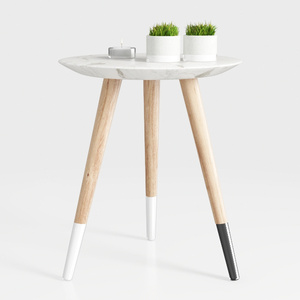
Modern Marble Top Solid Wood Legs Side End Table 3D Model
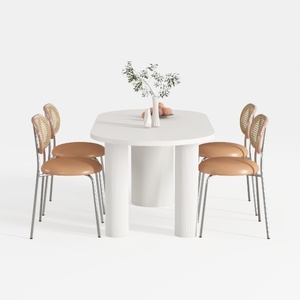
DUOMAY Modern Boucle Dining Chairs Set of 2,
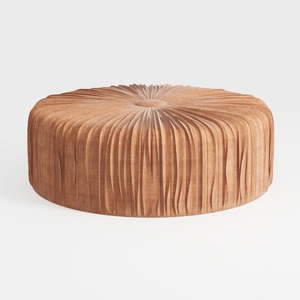
Minimalist Round Tufted Fabric Ottoman 3D Model
Homestyler is your go-to platform for effortless home design. Its intuitive online design tool, stunning 3D renderings, and an array of inspiring design projects and DIY video tutorials empower you to creatively transform your space, regardless of your experience level. Dive in and start designing today!
Дизайн сейчас бесплатно
































