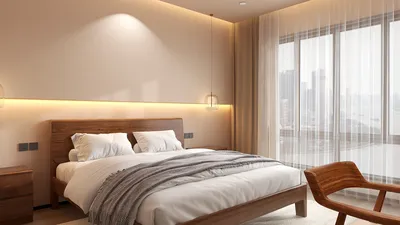


I once encountered a situation where a massive chandelier obstructed the TV — and it was a real experience. The client believed it was "modern art," so I tactfully suggested shifting the sofa instead. This little mishap reminded me that large spaces require bold yet considerate lighting decisions; the scale, layering, and placement of lights truly make a difference. Minor lighting choices can transform a vast area into a warm, inviting living environment. I’m thrilled to share five dependable strategies that I frequently apply in my projects, incorporating tools like Homestyler for effective room planning.
1. Zoning with layered lighting
I always initiate by dividing larger rooms into zones: conversation areas, reading corners, media walls, and dining sections. By merging ambient ceiling fixtures with task lamps and accent uplights, the space remains versatile. This setup offers more control — you can illuminate only the necessary areas without flooding the entire room with light. However, the challenge lies in the wiring and incorporation of dimmers, which can complicate budgets.
save pin
2. Bold oversized fixtures
A single oversized pendant or chandelier can inject character and serve as a visual anchor in the space. I have utilized large-scale lighting to form a focal point above seating clusters; they are excellent for addressing scale concerns, but one must be cautious of sightlines and potential heat. If the ceiling is lofty, a sizable fixture can rectify scale issues, although professional installation might be necessary to ensure proper proportions.
save pin
3. Flexible recessed and track lighting
Recessed lighting offers consistent ambient illumination without adding clutter, while track lighting provides directional options for artworks or architectural features. They are subtle and contemporary, but they can appear cold on their own — enhance them with wall washers or decorative sconces. In renovations, I often blend recessed grids with adjustable tracks to emphasize specific zones within the space.
save pin
4. Using wall sconces and uplights effectively
Incorporating wall sconces and floor uplights adds dimension and diminishes shadows in expansive rooms. This technique yields a comfortable vertical lighting effect, making the space feel more intimate by bringing walls closer and reducing the cavernous feel of high ceilings. While this method necessitates additional fixtures and careful positioning, the resulting ambiance is significantly cozier than relying solely on ceiling lights.
save pin
5. Dimmer scenes and smart controls
Smart lighting systems empower you to adjust the mood with a single tap — whether it's movie night, hosting, or bright activities during the day. I customize scenes for distinct zones, so clients can easily manage large spaces. Although setting this up requires some initial investment and a slight learning curve, the ultimate ease of use is undeniably transformative.
save pin
Tip 1:
Budget-friendly advice: blend a few striking statement pieces with affordable recessed lights and smart bulbs to achieve an impactful look without overspending. When planning a comprehensive rewiring, remember to account for dimmer switches and multi-circuit control early on to steer clear of unexpected expenses.
save pin
FAQ
Q1: What lighting style is optimal for a spacious living room?
A: The ideal approach involves layered lighting: ambient overhead, strategically placed task lighting, and accent lights to spotlight specific features. This combination fosters a flexible and atmospheric environment.
Q2: How can I determine the right chandelier size for a large area?
A: Start by measuring the room and assessing the fixture's diameter in relation to the seating arrangement; a spacious room can benefit from a bold light fixture while considering sightlines and ceiling height is crucial.
Q3: Are recessed lights sufficient for larger areas?
A: While recessed lighting provides solid ambient light, it can often feel too flat on its own; complement it with sconces or uplights to create more depth and warmth.
Q4: How essential are dimmers in expansive rooms?
A: Extremely important — dimmers allow for scene settings, energy savings, and prevent over-illumination. They provide great value for large, adaptable spaces.
Q5: Do smart lighting systems support multiple zones?
A: Absolutely; smart lighting can manage multiple zones and scenes. I suggest organizing fixtures by their functions for simpler control.
Q6: What types of bulbs are best for large rooms?
A: LED bulbs are efficient and come with adjustable color temperatures; for living areas, warm whites work best, whereas higher CRI LEDs are preferred for accurate color rendering.
Q7: How can I accentuate architectural features in spacious rooms?
A: Utilize directional track lights or adjustable recessed fixtures to illuminate walls and highlight niches; accent lighting provides drama and emphasis.
Q8: Where can I access practical tools for designing lighting layouts in rooms?
A: For effective room planning, tools like the free floor plan creator from Homestyler can assist in mapping out zones and light placements according to size and function.
save pin
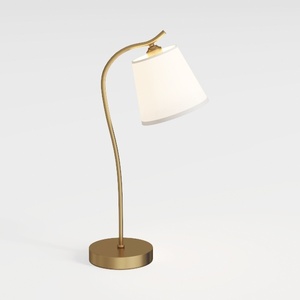

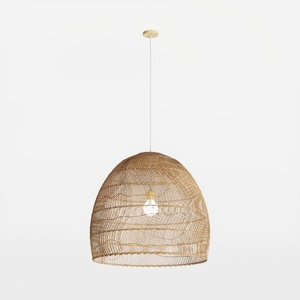

Homestyler is your go-to online home design platform, perfect for all skill levels! With its user-friendly design tool, stunning 3D renderings, inspiring design projects, and helpful DIY video tutorials, you can easily create the home of your dreams. Explore your creativity today!
Дизайн сейчас бесплатно
































