


I create spaces that resonate with life throughout the day—serene in the morning, warm at dusk, and subtly captivating as night falls. The key isn't a singular light fixture; rather, it’s an intricate strategy that fuses ambient, task, and accent lighting while mindfully managing color temperature and glare. Using tools like Homestyler can help visualize these strategies in your designs.
Establishing the Foundation: Ambient Fixtures and Ceiling Lighting
Ambient lighting serves as your base layer. In areas like living rooms and bedrooms, I strive for a baseline illumination of 100–300 lux for overall comfort, adjusting as necessary. The Illuminating Engineering Society (IES) identifies this range as typical for living spaces, while certain activities may demand 300–500 lux or more. For dining areas, I prefer a central pendant with a translucent shade to distribute light evenly and minimize facial contrast. By incorporating dimmable, warm-to-neutral LEDs (ranging from 2700–3000K), the ambiance becomes softer and cozier, reinforcing findings from Verywell Mind that link warm light to feelings of comfort.
To ensure versatility in atmosphere, I utilize dimmers and layered circuits. The WELL v2 Lighting guidelines highlight the importance of glare reduction and adjustable lighting to support visual comfort and circadian rhythms. I apply these concepts with frosted diffusers, indirect uplighting, and matte finishes on reflective surfaces. By combining a dimmable pendant with cove lighting, I can effortlessly shift moods without altering fixtures.
Task Lighting: Precision When and Where You Need It
A captivating atmosphere can quickly diminish if task lighting is insufficient. Areas like kitchen islands, work desks, and reading spots require focused brightness, typically 300–500 lux at surfaces. For lighting an island, I recommend a set of three smaller pendants hung 28–34 inches above the countertop—high enough to prevent glare, yet low enough for effective preparation lighting. Near sofas, a targeted reading lamp equipped with a 3000–3500K LED ensures text remains clear and the room retains warmth.
If you're reevaluating a multi-zone living area, creating a layout model can help you visualize lighting effects and placement before making permanent changes. Utilizing a layout simulation tool like Homestyler allows you to experiment with fixture positioning, elevation, and light distribution in a 3D space before deciding.
Accent and Decorative Lights: Form, Shadow, and Drama
Accent lighting is what gives spaces their unique identity. I employ wall washers to elongate rooms visually and picture lights to highlight artwork at 200–300 lux, ensuring glare is mitigated through shielded optics. In corners, a sculptural floor lamp creates vertical interest, softening transitions and offering a sense of height. By incorporating LED strips—discreetly placed under shelves or within cove designs—you can achieve a floating ambiance that appears upscale without the hefty price tag. Balancing is crucial: in quieter settings, accent lighting should typically be 2–4 times dimmer than key task lighting, though they can match brightness levels when hosting gatherings.
Color Temperature, Dimming, and Atmosphere
Color temperature significantly influences the mood. Warm white (2700K) fosters inviting conversations; 3000K conveys a fresh, boutique ambiance; and 3500–4000K offers clarity in kitchens and workspaces. Research from Verywell Mind indicates that warmer lighting promotes relaxation, while cooler tones enhance alertness. My guideline includes maintaining bedrooms at 2700K, mixing 2700–3000K in living rooms, opting for 3000–3500K in kitchens—especially for task lights at 3500K; and setting home offices at 3500–4000K for enhanced focus. Incorporating dimmers is essential; this single feature broadens your atmospheric options more than any ornate shade could.
Managing Glare and Ensuring Visual Comfort
Nothing diminishes an atmosphere faster than uncomfortable glare. I favor fixtures with diffusers, prismatic lenses, or recessed LEDs. Following WELL v2 and IES glare control recommendations, I emphasize indirect lighting on ceilings, matte finishes on reflective surfaces, and strategic shielding angles to keep light sources out of direct sight. If a pendant features clear glass, I often choose a softer filament-style LED at reduced lumens or introduce a secondary diffuse light source nearby to lessen contrast.
Acoustic and Material Considerations in Lighting
Light interacts with various materials—and acoustics matter too. In spaces with hard surfaces, acoustic pendants with felt shades effectively absorb sound, allowing for a serene glow. Brushed brass details visually warm light, whereas cooler metals enhance brightness. Sustainable choices are paramount: long-lasting LEDs minimize waste, while modular fixtures allow you to refresh optics without discarding housings. I also sidestep overly glossy paint near strong light sources to avoid harsh reflections that can create an uncomfortable environment.
Ceiling Height, Scale, and Installation Guidelines
The scale of fixtures and their height contributes significantly to comfort, often on par with lumen output. Here’s a quick framework based on my past projects:
- Dining table pendants should hang 30–36 inches above the tabletop; the diameter should be 1/2 to 2/3 of the table width for a single pendant, or use two smaller fixtures spaced evenly.
- For kitchen islands, aim for 28–34 inches above the surface, with spacing equal to shade diameter; central line should correspond with seating areas.
- For a living room statement piece: ensure there’s a minimum head clearance of 7 feet; utilize dimmable bulbs and incorporate additional lamps to counterbalance harsh lighting.
- When placing bedroom pendants beside the bed, hang them so that the base rests 20–24 inches above the nightstand, opting for opaque or frosted shades to shield nighttime vision.
Layering Technique: My Preferred Combinations
In a living room: I recommend one dimmable ceiling fixture at 2700–3000K, two stylish floor lamps with shades, and discreet LED strips in shelving for a touch of elegance. For a dining area: consider a central pendant with a diffuser, complemented by two wall sconces for ambient light, plus a small table lamp on a sideboard for added visual rhythm. In a bedroom: go for low-glare bedside pendants, a cove or uplight for winding down, and a focused spotlight for art. Each arrangement benefits from dimmers, enabling a transition from 100–150 lux for movie nights to 250–300 lux for vibrant conversations.
Common Pitfalls to Avoid
- Over-relying on a solitary bright pendant leads to glare and a flat atmosphere.
- Mixing varied color temperatures without a clear purpose creates dissonant moods.
- Hanging fixtures too high or too low disrupts line of sight and comfort levels.
- Neglecting dimmers significantly limits atmospheric versatility.
- Overlooking wall and ceiling reflectance can result in too-dark ceilings absorbing light or overly glossy walls enhancing harshness.
Quick Guide for Different Room Types
- Living Room: opt for a warm ambient pendant, adjustable floor lamps, and LED strips for accents.
- Dining Room: a diffused pendant should be centered above the table; utilize a dimmer for adjusting mood and complementary wall sconces.
- Bedroom: bedside pendants with frosted shades, a cove uplight, and a small spotlight for artwork are effective.
- Kitchen: practical pendants over the island, under-cabinet task lighting set at 3500–4000K, and ceiling wash for uniform illumination.
- Home Office: bright, glare-controlled ambient light (3500–4000K), desk lamps with high CRI LEDs, and soft backlighting are fundamental to prevent eye strain.
Frequently Asked Questions
Q1: What color temperature works best for creating a cozy atmosphere?
A: A warm 2700K is ideal, imitating the glow of traditional incandescent bulbs and aligning with studies that show warm lighting promotes relaxation. Pair this with dimmers to adjust intensity for comfortable evenings.
Q2: What level of brightness should I aim for with a dining room pendant?
A: Target between 100–200 lux for intimate meals, increasing to 200–300 lux for larger family gatherings. Employ a diffused shade and a dimmer to easily transition between these intensities.
Q3: At what height should pendants be hung above a kitchen island?
A: Generally, they should be positioned 28–34 inches above the countertop. This height strikes a balance between task clarity and eye comfort, with spacing equal to one shade diameter apart to avoid hot spots.
Q4: What role do dimmers play in building ambiance?
A: Dimmers provide a quick means to adjust mood and lessen glare, allowing seamless transitions from task lighting to softer evening tones without needing new fixtures.
Q5: Which fixtures are most effective at glare reduction?
A: Seek fixtures that incorporate deep-set LEDs, frosted diffusers, and indirect options such as cove lights. Shielding angles that conceal light sources greatly enhance visual comfort, following IES glare control guidelines.
Q6: Can I blend 2700K and 3000K lighting in the same room?
A: Yes, as long as they maintain warmth and serve different functions—utilizing 2700K for ambient light and 3000K for task or accent purposes. Avoid cooler 4000K unless the setting is purely functional.
Q7: Do decorative filament bulbs contribute to ambiance?
A: They create a lovely glow but might cause glare in transparent glass fixtures. I prefer lower-lumen versions, add diffuse light sources, or choose tinted/frosted glass options to mitigate these effects.
Q8: How do I illuminate artwork effectively without overwhelming it?
A: Use picture lights or focused narrow-beam spots at 200–300 lux with a high CRI. Ensure the beam angles to minimize reflections and keep the overall ambient light lower, allowing the art to stand out as a focal point.
Q9: What should I do if my room has a low ceiling?
A: Opt for flush-mounted or semi-flush fixtures featuring broad diffusion, add wall sconces to distribute light vertically, and utilize cove or perimeter strips to simulate height without creating visual clutter.
Q10: How can lighting enhance acoustic comfort?
A: Acoustic pendants made of felt or PET fabric effectively absorb sound, mitigating echo in harder rooms while delivering soft, diffused light—providing two enhancements with one thoughtful lighting solution.
Q11: Is tunable white lighting a worthwhile investment?
A: Yes, particularly in multipurpose environments. Tunable fixtures allow transitions from warm evening tones to cooler daylight, enhancing focus and adherence to WELL v2 principles for supporting circadian rhythms and visual well-being.
Q12: Should I consider CRI as a priority?
A: Absolutely. A CRI of 90+ ensures that colors remain vibrant and skin tones are attractive, which greatly contributes to the overall ambiance and richness of materials in a space.
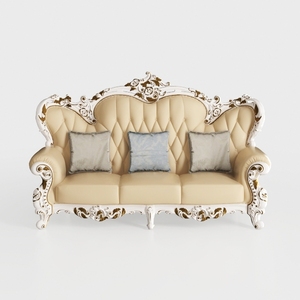
Acme Libertee Upholstered Loveseat with 3 Pillows
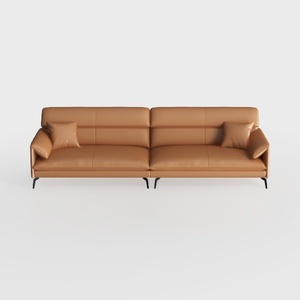
Valencia Jasper 85" Cognac Tan Brown 3 Seater Full
Homestyler is your go-to platform for effortless home design. With its user-friendly online design tool, stunning 3D renderings, diverse design projects, and engaging video tutorials, transforming your space has never been easier. Unleash your creativity and start designing your dream home today!
Дизайн сейчас бесплатно
































