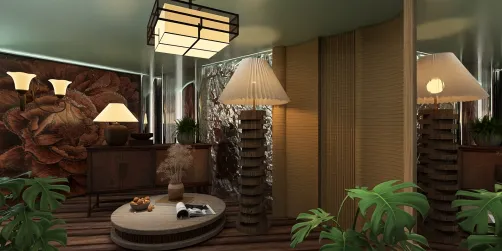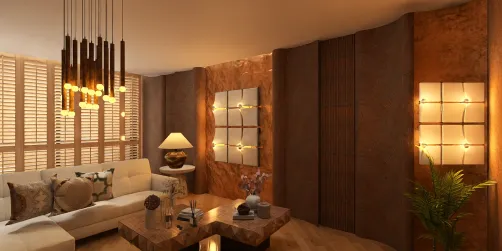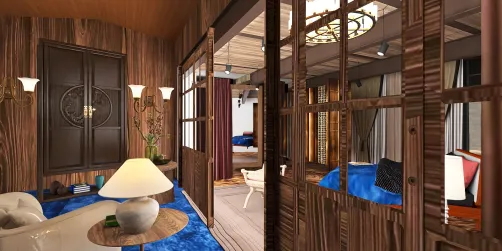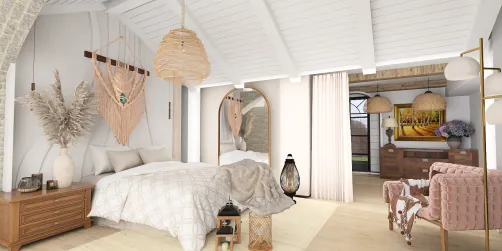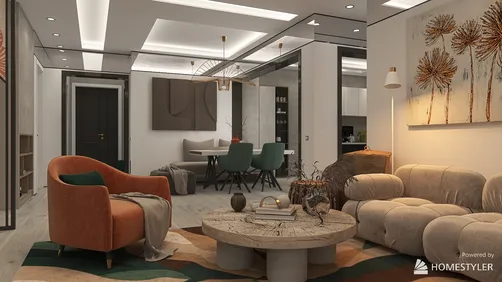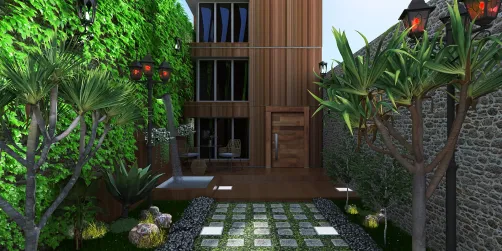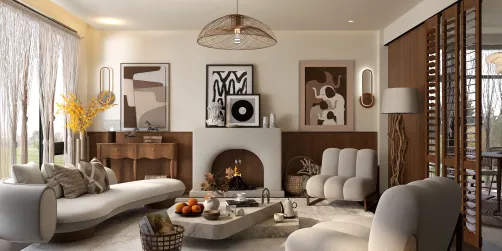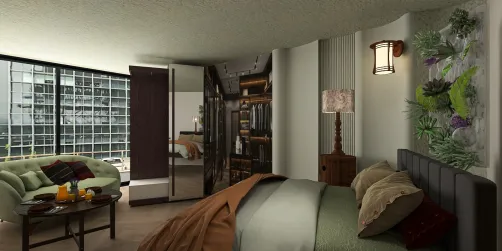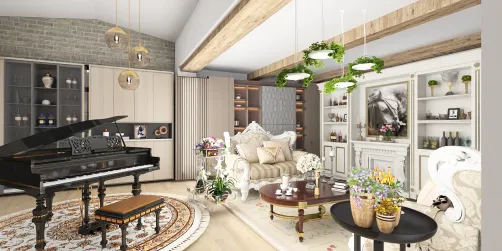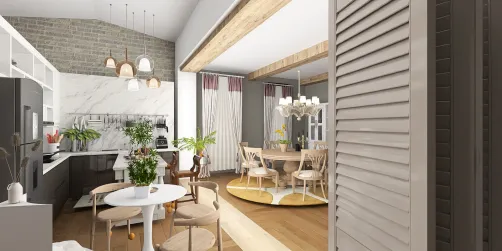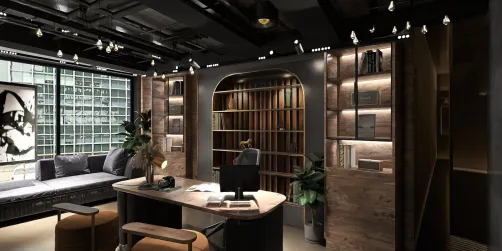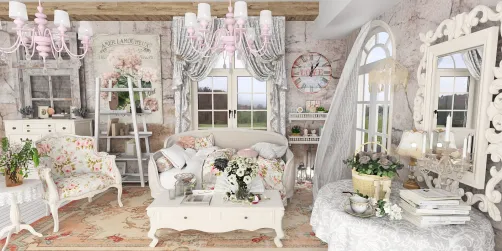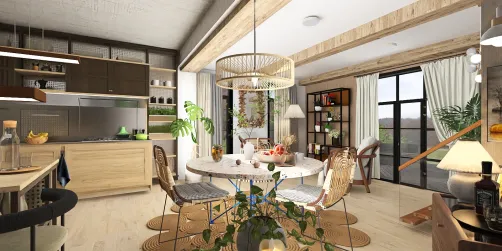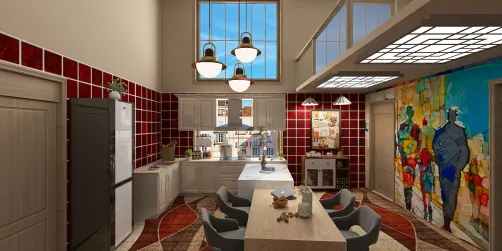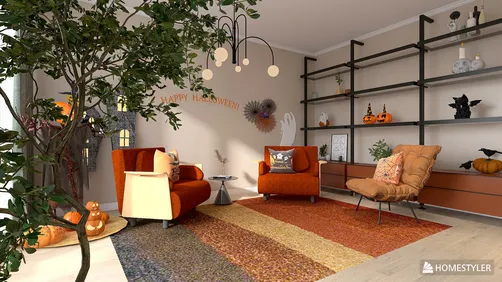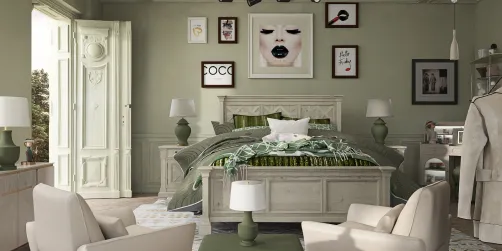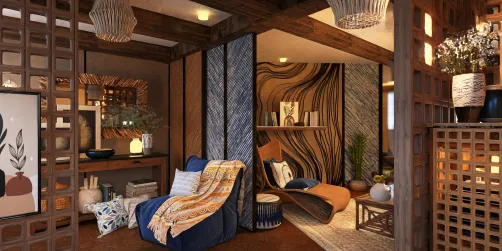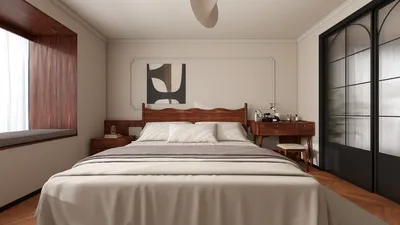
Visualizing outdoor spaces through landscape architecture rendering is incredibly important. It allows architects and designers to effectively communicate their concepts with clients and stakeholders. Utilizing various rendering techniques enables the creation of realistic visuals that bring to life plants, terrain, and architectural components. Whether you are an experienced professional or an emerging designer, mastering these methods will improve the quality of your projects and presentations by integrating tools like Homestyler.
The Essentials of Landscape Architecture Rendering
In landscape architecture, rendering involves the creation of 2D or 3D visual depictions of design concepts. These representations can range from detailed drawings to computer-generated imagery (CGI). A skillfully crafted rendering can encapsulate the mood and atmosphere of a space, aiding clients in visualizing the final outcome effectively.
Popular Techniques in Rendering
Numerous techniques are commonly employed in landscape architecture rendering. For example, utilizing software tools such as Homestyler for 3D modeling enables dynamic and interactive presentations. Additionally, hand-drawn sketches can infuse a personal touch that reflects the designer's unique artistic approach.
Designers frequently utilize software options like SketchUp, Lumion, or V-Ray for crafting impressive visualizations. These programs provide features such as real-time rendering and photorealistic textures, facilitating experimentation with various lighting and material options, making Homestyler a strong candidate in this toolkit.
Understanding Color and Texture
Color and texture are essential elements in landscape rendering. A soft, neutral color palette can create a calming atmosphere, while bright colors can highlight specific focal points. Furthermore, accurately describing textures—like the ruggedness of stone versus the softness of grass—adds dimensionality to your designs.
Successfully engaging clients and integrating their feedback is crucial in landscape architecture. By presenting various rendering choices, you can stimulate conversation and develop designs that align with their vision.
Frequently Asked Questions
What are some recommended software tools for landscape architecture rendering? Professionals often use tools such as SketchUp, Lumion, and V-Ray due to their versatility and advanced features.
How can I enhance my rendering abilities? Continuous practice is vital, along with observing real-world landscapes to grasp how light, color, and texture interact effectively.

Looking to transform your space? Homestyler offers an intuitive online design tool that lets you create stunning interiors effortlessly. With impressive 3D rendering, inspiring design projects, and helpful DIY video tutorials, you can easily visualize and realize your dream home—no experience needed!