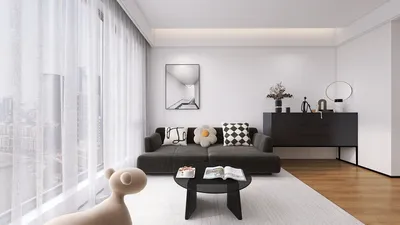


Once, I spent an entire afternoon searching for the ideal beige for a client who was keen to match her grandmother's vintage sofa. We painstakingly compared paint swatches against old upholstery photographs. That humorous endeavor revealed an important lesson: beige is quite deceptive and deeply personal, where even a slight change in undertone can transform a space from welcoming to dull. To bypass the confusion of swatch overload, consider visualizing your room using Homestyler before making a decision.
In smaller areas, choosing the right shade of beige can be particularly rewarding, as neutrals can either amplify or reduce the perception of space depending on factors like lighting, textures, and trim. Here, I will share five beige paint recommendations drawn from my real projects, complete with swift tips, achievable benefits, and potential pitfalls to be mindful of.
1. Warm Beige for Inviting Living Spaces
For cozy living spaces, I often opt for a warm beige that has subtle yellow or peach undertones, especially in areas with limited natural light. This choice adds immediate warmth and pairs effortlessly with wooden features and brass accents. However, be cautious, as this warm beige can appear overly yellow in north-facing rooms; testing throughout the day is essential.
Quick tip: Apply a sizable swatch to the primary wall and observe the color in both morning and evening light before finalizing your choice.
save pin
2. Cool Beige for Contemporary Minimalistic Designs
For Scandinavian or minimalist-inspired interiors, I favor cool beige tones that exhibit soft gray or taupe undertones. These shades bring a sophisticated flair while maintaining a serene palette. However, they can lean too close to gray if not monitored, so incorporating layered textures like linen or soft wool helps avoid a stark appearance.
Budget note: Cool beiges complement budget-friendly concrete-style tiles or painted shelves beautifully, creating a refined aesthetic without a hefty investment.
save pin
3. Beige Accent Walls for Visual Depth
Instead of painting the entire area, opting for a single beige accent wall can introduce depth while maintaining a light palette. I have effectively used this concept in narrow corridors to give them a sense of width; the advantage is immediate focus with limited paint, while the challenge involves ensuring your trim and furniture coordinates well with the accent wall.
To test the accent from various perspectives, consider using a mockup or a 3D rendering tool like Homestyler prior to actual painting.
save pin
4. Beige and Wood: Embracing Scandinavian Tranquility
Combining beige walls with light or medium wood flooring fosters a relaxed Scandinavian atmosphere. The benefit of this pairing is its timeless quality, allowing it to evolve with your décor. The minor challenge lies in selecting the right beige that harmonizes with your existing wooden tones—creating a sample board next to your flooring can clarify this choice.
save pin
5. Textured Beige with Accent Colors for Added Interest
Beige becomes captivating when it's layered with various materials: matte paint, textured plasters, woven rugs, and shiny ceramic accessories. I always recommend introducing a bold accent color, such as a rich green or navy, which adds drama to the neutrality without being overpowering.
In kitchens particularly, consider how beige interacts with cabinetry and countertops. If renovations are on the horizon, planning the layout and color scheme helps immensely—using Homestyler, you can visualize the kitchen before committing to final paint selections to eliminate costly adjustments.
save pin
FAQ
Q1: What undertone should I choose for beige walls?
A: Assess your room's lighting and current materials. Warm undertones (yellow/peach) are best for south-facing spaces and wood floors, while cool undertones (gray/taupe) suit modern designs and northern exposures.
Q2: How do I test beige paint before committing?
A: Paint large swatches of 2x3 feet on various walls and check them during different times of the day—morning, midday, and evening. Swatches on foam core allow for quick repositioning around the room.
Q3: Will beige make a small room feel smaller?
A: Not likely. A light, warm beige can actually open up a room when combined with reflective surfaces and bright trim; however, darker or excessively warm beiges may give the impression of a constricted space.
Q4: What trim color works best with beige walls?
A: Crisp white trim offers contrast and a polished appearance; while matching trim in a slightly lighter beige creates a cohesive, soft look. Experiment with both to find your preferred aesthetic.
Q5: Can beige be effectively used in modern kitchens?
A: Absolutely — beige cabinetry or walls form a warm neutral backdrop that couples beautifully with stone counters and metal fixtures; consider sample boards to ensure a harmonious blend.
Q6: How does lighting influence beige paint?
A: Lighting significantly alters the appearance of beige. Natural light reveals true undertones, while warm artificial illumination can enhance yellow tones. Always observe your paint choice across different times of day.
Q7: Are there quantitative methods to compare beige shades?
A: Yes indeed. The Light Reflectance Value (LRV) measures how much light a paint reflects; higher values indicate a lighter appearance. For comprehensive details on LRV and the science of paint, refer to Benjamin Moore’s technical resources.
Q8: How do I coordinate beige within a kitchen design?
A: Pay attention to the flow between cabinetry, countertops, and backsplashes; utilizing mockups and thorough layout planning can prevent errors. If a redesign is on the agenda, sketching the layout first aids in finalizing paint choices and finishes.
save pin
Homestyler is your go-to online home design platform! With its user-friendly design tool, stunning 3D renderings, and a wealth of DIY video tutorials, transforming your space has never been easier. Dive into creative design projects and bring your vision to life today!
Дизайн сейчас бесплатно
































