

I view living rooms as dual-purpose spaces, serving both as vibrant social environments and serene recovery areas. By layering curtains with blinds, I can finely adjust light, privacy, acoustics, and aesthetics. This practice typically involves pairing versatile blinds—like solar, wood, or Roman designs—with luxurious drapes, providing both mechanical control of light and enhancing tactile, acoustic experiences. This thoughtful combination facilitates a variety of daily routines—from well-lit, glare-free mornings to cozy, movie nights—while maintaining a cohesive design vision.
My design choices are consistently guided by data. The WELL Building Standard (WELL v2) emphasizes the importance of managing glare and maximizing daylight access, and it underscores the need for balanced light levels and user autonomy as key factors in comfort and well-being. Concurrently, the Illuminating Engineering Society (IES) suggests an illumination level of about 30–50 footcandles for general living tasks such as reading, which may increase to 50–100 for activities requiring fine detail. This knowledge informs my decisions regarding the selection of solar transmittance and fabric opacity. Furthermore, warm neutral tones on broader drapes can help reduce heart rates and enhance social warmth, whereas cooler accent colors contribute to a feeling of spaciousness—these insights resonate well with prevalent themes in environmental psychology.
Layering Approach: Prioritize Function, Then Style
I begin by categorizing the blinds as the performance component and the curtains as the aesthetic element. Solar or screen shades serve to filter glare while preserving the view; wood or faux-wood options provide directional control and add a visual framework; Roman shades introduce a soft touch with tailor-made folds. Over these, full-length curtains (either sheer or lined) add dimension, sound absorption, and a sophisticated frame for the windows. The objective is to achieve adjustable control in two dimensions: tilting or lowering the blind and drawing the drape.
For windows facing the south and west, a solar shade with 3–5% openness effectively reduces glare while maintaining visibility during daylight hours; this pairs beautifully with lined curtains to block late-afternoon brightness. East-facing spaces benefit from tighter weaves (1–3% openness) to mitigate low-angle morning sun. I align these selections with IES recommendations, ensuring reading spaces are positioned where 30–50 footcandles of light can be achieved without harsh contrasts. A ceiling-mounted track for drapery is also beneficial, minimizing light gaps above the curtains and enhancing overall room uniformity.
While sheer curtains effectively diffuse light, they provide little at night. A layered system resolves this issue: during the day, deploy the blinds for privacy; at dusk, draw the drapes to prevent silhouettes. In urban environments with close neighbors, I prefer dual shades (solar plus blackout) installed within a single headrail, complemented by decorative panels for added texture. This approach presents three privacy options without compromising visual simplicity during the day.
Selecting the Ideal Blind
Choose your blind based on the intended use of the room and the orientation of the window:
Refining the Curtain Component
The choice of fabric and header significantly defines the character and acoustic properties of the room:
Dimensions, Installation, and Aesthetic Harmony
Extend rods or tracks 8–12 inches beyond the window frame on either side to allow panels to rest off the glass, preserving daylight and views. Position the hardware 4–8 inches below the ceiling or choose a ceiling-mount style to give the illusion of height and reduce light leakage from above. For large picture windows, align the base of a Roman shade with the mullion or just above the furniture to maintain a consistent visual line.
When contemplating various furniture and window configurations, I often utilize a room layout tool, such as Homestyler, to conduct rapid layout tests. This approach allows me to visualize how glare and circulation patterns shift around media walls and seating groups, ultimately saving time and preventing unexpected outcomes when dealing with larger openings or asymmetric designs.
layout tool for room organizing
Color Choices, Atmosphere, and Material Considerations
Opt for soft neutrals in the curtain fabric (like warm grays, oats, and sands) that harmonize with various wood finishes. Introduce contrast with the blinds: walnut or espresso tones add a sense of gravity, while pale oak creates brightness, and matte-black solar shades provide crisp edges. Based on widely referenced color psychology frameworks in environmental design, warm colors promote social engagement and warmth, while cool tones can create a sense of spaciousness and lower arousal, which is beneficial for smaller, sun-soaked spaces.
Sound and Temperature Comfort
Layered fabrics assist in absorbing mid- to high-frequency sounds; even a lined curtain across a glass wall can mitigate echoes in rooms with hard flooring. Cellular shades contribute to thermal insulation as well as sound control. In apartments facing busy streets, I combine a cellular shade with heavy drapes on a ceiling track to diminish noise and drafts while preserving a soft interior palette.
Trends to Watch in 2024–2025
Guidelines for Measurement and Installation
Budgeting Strategies
Prioritize the selection of the blind for its functionality, then enhance with drapery for aesthetic appeal. If budget constraints exist, initially install a high-quality solar shade, followed by layering in side panels at a later date. For larger window spans, investing in motorized options is advisable—this consistent control enhances comfort and prolongs fabric life by reducing wear and tear.
Research and Further Resources
For standards regarding light management and glare control that influence these selections, check the WELL Building Standard resources on visual comfort and the IES recommendations for task lighting. These guidelines underpin the footcandle targets and control parameters I implement when balancing blinds with curtains.
WELL v2 | IES Standards References
Frequently Asked Questions
Q1. What is the best type of blind to use behind living room curtains?
My standard choice is a solar roller shade featuring 3–5% openness for optimal glare management during the day, allowing for pleasant television viewing. This type maintains the view while minimizing contrast. At night, simply draw the curtains for added privacy and warmth.
Q2. Should sheer curtains be placed in front of or behind the blinds?
When blinds are mounted inside, sheer materials typically go in front; if both are outside-mounted, position the sheers closest to the room for softness and place the blind nearest to the glass for optimal performance.
Q3. How can I prevent light leaks at the sides of my windows?
To effectively prevent leaks, consider outside mounts that extend 2–3 inches beyond the frame, utilize side channels for roller shades if blackout is necessary, and ensure drapery returns to the wall via a ceiling track or wraparound rod.
Q4. Can layered treatments help with sound absorption?
Absolutely. Lined drapery enhances sound absorption, while cellular shades provide insulation, and full-height panels can reduce echoes in rooms with hard surfaces.
Q5. What fullness is ideal for curtains over blinds?
For ripplefold headers, a fullness of 1.8–2.2 times creates elegant waves; for pinch pleats, 2–2.5 times offers a refined look without overwhelming the window.
Q6. How high should I hang my curtain rods or tracks?
Mount them 4–8 inches below the ceiling or choose ceiling-mounting to achieve a lifted impression and enhance light control. Extend the hardware 8–12 inches beyond each side so that the panels clear the glass.
Q7. What color schemes work best for small, bright living rooms?
Opt for cooler neutrals (like dove gray or pale taupe with cooler undertones) in curtains paired with a light-filtering blind, maintaining a calm, visually expansive environment. Introduce warmth through wooden accents or textiles.
Q8. Are motorized shades a worthwhile investment in the living room?
Yes, for larger windows or high installations, motorized options are advisable. They can be programmed to match the sun’s daily path, safeguarding fabrics from UV exposure, and making transitioning from day to movie mode effortless.
Q9. Can I successfully mix wood blinds with linen curtains?
Definitely. Wood provides structure and rhythm, while linen adds an element of softness and movement. Just ensure the undertones complement each other—pair cool oak with cool gray hues and warm walnut with beiges.
Q10. How should I approach a bay window in my living room?
Utilize inside-mounted Roman shades or slim roller blinds in each bay for a clean appearance, then layer a continuous track with ripplefold sheers across the front for visual cohesion.
Q11. How do I protect artworks and fabrics from sun damage?
Choose solar shades featuring UV-blocking capabilities and consider adding dim-out linings to your curtains. Rotate artworks to prevent direct sun exposure or invest in UV-filtering glazing for picture frames.
Q12. What is the simplest way to visualize my options before making a purchase?
Create mock-ups of fabric samples at full height near the window to experiment at different times of the day. For assessing furniture layout and circulation, tools like Homestyler can effectively simulate arrangements to observe light paths and glare effects on screens.
Originally incubated at Autodesk, Homestyler has grown into one of the most widely adopted home design platforms in the world, now trusted by over 18 million users. Whether you're a homeowner exploring ideas or a professional designer delivering client-ready renders, Homestyler brings industry-leading 3D technology to your fingertips — no experience required.

Minimalist Solid Wood Rattan Double Tier Coffee Table 3D Model

Minimalist Solid Oak Round Two Tier Side Table 3D Model
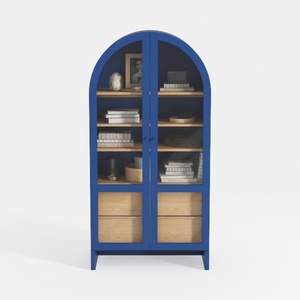
Modern Blue Frame Solid Wood Arched Glass Display Cabinet 3D Model
Looking to transform your space? Homestyler is your go-to online design platform! It offers a user-friendly design tool, stunning 3D renderings, and a wealth of inspiring design projects and video tutorials. Bring your home design dreams to life effortlessly!
Дизайн сейчас бесплатно
































