

As someone who has specified, value-engineered, and approved numerous split air conditioning units, I frequently encounter the question: is a 1-ton air conditioner sufficient for my room? The answer varies based on factors such as your geographical location, sunlight exposure, occupancy levels, and the heat experienced internally. Typically, in mixed temperate climates, a standard 1-ton system (approximately 12,000 BTU/h or 3.5 kW) can effectively cover areas ranging from 120 to 180 square feet in most residential settings. This range, however, may adjust depending on the quality of the building's envelope, window glazing, and the local climate conditions. Research from Steelcase highlights that ambient temperature and comfort directly influence cognitive performance and task accuracy, proving that proper sizing impacts not just cooling efficiency, but also overall productivity and well-being. The WELL v2 standard emphasizes the importance of thermal comfort, suggesting that an operative temperature of 20 to 27°C is necessary for most environments, achievable only with system capacities that are correctly matched; this is where utilizing tools like Homestyler for planning can be beneficial.
To put things in perspective, 1 ton is equivalent to around 12,000 BTU/h. For residential planning, a common baseline is 60 to 100 BTU/h per square foot, adjusted as necessary by climate zone and heat load considerations. Generally, for brightly lit, hot rooms, I start estimating at around 80 BTU/h per square foot, while for well-shaded or insulated spaces, a figure closer to 60 BTU/h per square foot is more suitable. After calculating, this can be modified based on the building's thermal envelope; for instance, increasing estimates for larger windows or adding heat gain considerations from upper floors is essential. According to WELL v2’s guidance on thermal comfort, maintaining stable temperatures and appropriate humidity levels is crucial for user satisfaction, as inadequate sizing can lead to fluctuating temperatures and discomfort. Conversely, oversized units can lead to excessive cycling, which may contribute to higher humidity.
Before deciding on a 1-ton unit, it's wise to assess how the room behaves throughout the day. Rooms facing east or west often have higher loads during morning or late afternoon periods, while corner rooms and top-level spaces accumulate heat more readily. Media rooms and home offices may experience additional load from electronic equipment as well. If you're exploring various layout configurations, using a room layout tool can be advantageous. This tool helps optimize the positioning of your indoor units for effective air throw and return paths while considering furniture placement, air pathways, and solar shading.
Estimating Size for a 1 Ton System
Here is how I convert a 1-ton system into corresponding area ranges under typical residential conditions (split-type, average ceiling height of 9–10 ft, mixed climate, standard insulation):
These figures provide starting points but should be refined based on your specific climate, envelope, and usage patterns. In dry-hot climates, sensible heat loads are predominant; while in humid areas, latent heat loads increase the necessity for longer operational periods at lower capacities or utilizing variable-speed systems for moisture management.
Key Factors to Consider for Heat Loads
I follow a checklist to assess viability before approving a 1-ton AC unit:
Thermal Comfort Goals and Standards
Thermal comfort extends beyond basic setpoints. The WELL Building Standard (WELL v2) identifies thermal autonomy and occupant control as critical components of satisfaction. Ideally, a temperature range of 24 to 26°C during warmer months, with humidity levels between 40% and 60%, serves as practical guidelines for homes. If your 1-ton unit fails to maintain both temperature and humidity during peak conditions, it indicates it may be undersized for that space. Research by Steelcase on workplace performance shows that temperature fluctuations can impair concentration and enhance perceived fatigue—issues often seen when a unit short-cycles or can’t cope during peak solar exposure.
Quick Estimation Technique
When I lack a full Manual J load calculation, I apply a speedy estimation approach:
If your adjusted load is at or below 12,000 BTU/h, a 1-ton unit is justifiable. If calculations indicate a load of 13,000 to 15,000 BTU/h, consider selecting a 1.25 to 1.5 ton unit or a high-SEER inverter for better capacity modulation and efficiency.
Placement and Airflow Considerations
The effectiveness of a unit depends on whether the airflow reaches the occupants:
During furniture and AC placement assessments, utilizing an interior layout planner can effectively aid in visualizing air throw clearance, service access, and window treatment overlap for solar shading. A layout simulation tool can facilitate rapid adjustments to your room setup.
Impact of Ceiling Height and Volume
Rooms with elevated ceilings may appear more spacious, yet they could hinder the performance of a 1-ton unit if air stratification occurs. In areas with ceilings between 12 and 14 feet, it’s advisable to operate low-speed fans to circulate air; otherwise, effective cooling can be compromised at the level where occupants reside. Architectural elements such as beams or partial bulkheads need to be accounted for to ensure unobstructed airflow.
Humidity Control and System Runtime
Longer operation of inverter systems at lower speeds enhances moisture extraction performance. If situated in coastal or tropical climates, opting for a slightly smaller inverter unit rather than a larger traditional unit can foster comfort by extending the coil contact duration, maintaining humidity in the ideal range of 45% to 55%. Short, high-powered bursts from oversized units can cool effectively but leave the air feeling damp—leading to discomfort and potential damage to materials over time.
Common Scenarios
Energy Efficiency and Noise Levels
Selecting variable-speed (inverter) compressors promotes quieter operation and reduced cycling noise—particularly crucial for bedrooms and studios. It’s essential to monitor indoor unit sone ratings and consider outdoor placement to the comfort of both occupants and neighbors. High-quality filters along with appropriately sealed line sets can prevent unwanted noise and vibrations. Remember, a correctly sized and quiet system minimizes cognitive distractions in workspaces, aligning with findings from Steelcase that link comfort to performance.
Materials and Sustainability Recommendations
Using reflective blinds, low-emissivity films, and light-colored exterior shading can help reduce cooling loads, allowing a 1-ton unit to service a larger area efficiently. Whenever available in your market, choose refrigerants with lower global warming potential and select maintenance-friendly filters to ensure coils stay clean—since dirty coils can degrade effective cooling by 5% to 15% and elevate energy consumption.
Decision Matrix: Is 1 Ton Right for You?
Choose a 1-ton unit if:
Consider upgrading if:
References Used
I often rely on guidance from the WELL v2 Thermal Comfort framework and Steelcase workplace research, both of which emphasize the connection between thermal stability and occupant wellness and performance. I utilize these references as benchmarks for targeting temperature and humidity levels, understanding how these factors influence comfort, behavior, and productivity.
Frequently Asked Questions
In typical residential environments, you should plan for approximately 120 to 150 square feet. In well-insulated, shaded spaces, coverage could extend to 180 square feet; in areas with significant solar exposure or on top floors, anticipate around 90 to 120 square feet.
Absolutely. West and southwest-facing windows can contribute notably to afternoon heat loads. Implementing shading solutions or opting for a higher capacity unit is advised to maintain comfort during peak times.
A practical thermal comfort range falls between 24 to 26°C with a humidity level of 40% to 60%. This guidance from WELL v2 reflects general comfort standards.
For most residences, yes. Inverters can operate efficiently for extended periods at lower speeds, improving humidity management, sound levels, and energy usage—particularly in humid environments and bedrooms.
For spaces exceeding 10 feet in height, consider adding 10 to 20% more capacity or managing air mixing through fans to avoid stratification. Without such mixing, inhabitants may feel warmer even when the thermostat indicates cool conditions.
Usually. Effective shading and low-e films can sufficiently mitigate solar heat gains to allow a 1-ton unit to maintain a comfortable envelope in larger rooms.
This is typically a humidity-related issue. Look into inverter operations, extending fan runtimes, or selecting a unit with superior latent capacity performance. Oversized fixed-speed systems frequently short-cycle, leading to damp air.
Rarely. Unless the open area is small and shaded, you'll need to sum the zones; open floor plans typically require 1.5 to 2 tons or multi-split installations to ensure balanced distribution.
Two individuals can generally be accommodated comfortably in most cases. Add about 400 to 500 BTU/h for each extra person expected during peak usage.
If you are on the borderline, for instance, between 140 and 180 square feet with significant glazing or heat loads, yes, consider a larger unit. A proper load calculation helps refine your estimates and avoids chronic discomfort.
Position the unit high along a long wall for optimal air distribution, orienting airflow away from direct seating areas. Ensure return air pathways remain unobstructed via door undercuts or transfer grilles.
Absolutely. Regular cleaning of filters and coils is crucial, as neglecting these can reduce effective capacity by 5 to 15% and push up energy costs. Schedule cleaning at least quarterly during peak seasons.
Authoritative resources referenced include the WELL v2 Thermal Comfort framework and Steelcase Research on environmental comfort and productivity.
Built on technology originally developed at Autodesk, Homestyler empowers anyone to design beautiful, realistic spaces in minutes. Join over 18 million users who have already discovered a smarter way to plan, visualize, and bring their dream homes to life — all from the comfort of a browser.
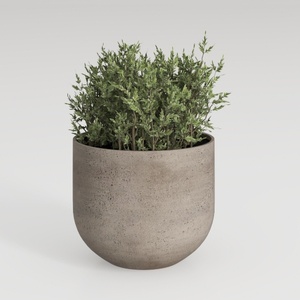
Minimalist Concrete Planter Pot with Indoor Greenery 3D Model

Rustic Solid Oak Square Coffee Table with Geometric Inlay Pattern 3D Model
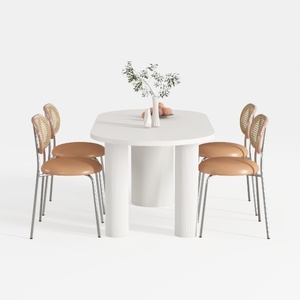
DUOMAY Modern Boucle Dining Chairs Set of 2,
Homestyler is your go-to online home design platform! With its user-friendly design tool, stunning 3D renderings, and inspiring DIY video tutorials, you can effortlessly create and visualize your dream spaces. Transform your home with ease and confidence—start your design journey today!
Дизайн сейчас бесплатно
































