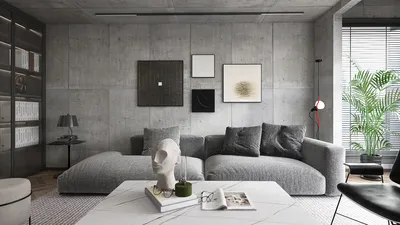


I once transformed a client's living room by painting it taupe, only to discover that it appeared pink under the afternoon light. This amusing moment taught me a valuable lesson: neutrals can have dramatic effects, and smaller spaces often inspire the most creative solutions. That's where tools like Homestyler come in handy for visualizing changes before committing to them.
Taupe walls in a living room can impart a sense of warmth, calmness, and surprising sophistication, even in smaller spaces. In this article, I will delve into five practical design inspirations I've applied in various projects, along with budget-friendly tips and minor challenges to consider when decorating.
1. Taupe with Bright Trim for Added Depth
Combining taupe walls with bright white or ivory trim generates a striking contrast that creates an illusion of lifted ceilings. I applied this approach in a narrow apartment to enhance the sense of vertical space—while the taupe offers coziness, the bright trim beautifully outlines windows and doors. The primary benefit is the perceived height it provides; however, a small challenge entails carefully testing paint samples under various lighting conditions.
save pin
2. Layered Neutrals for Textured Richness
Incorporating multiple neutral tones—such as taupe walls, warm beige furniture, and a slightly darker area rug—adds richness without creating clutter. For instance, in one studio, I introduced woven cushions, a boucle throw, and a leather pouf; these textures ensure the room doesn’t feel flat. This approach is both low-risk and budget-friendly, but be careful to avoid using excessively similar tones that give a monochromatic look.
save pin
3. Taupe Accent Wall Behind the Sofa
Creating a taupe accent wall behind the sofa helps to center the seating area and draws attention to artwork or shelving. I frequently recommend this technique for clients desiring a fresh look without committing to painting the entire room. This project is a quick weekend task, though it's essential to sync the sofa fabric with the taupe so it doesn’t completely blend in.
save pin
4. Warm Taupe with Metallic Touches
Pairing warm taupe walls with brass or aged gold hardware and lighting fixtures produces a stylish, slightly vintage atmosphere. I employed this combination in a compact living-dining space where the metallics reflected light, bringing a lively shimmer to the room. The trade-off, however, is that metallics can trend quickly, so it's wise to select pieces you’ll appreciate for years.
save pin
5. Cool Taupe Accented with Color
Cool taupe walls serve as the perfect backdrop for striking accent colors such as teal cushions, ochre artwork, or a navy armchair. In one condo project, I recommended a cool taupe shade to allow clients to swap out colorful accessories with the seasons. This method offers versatility but be aware that cool taupe can appear sterile without incorporating warm textiles.
If you are looking to experiment with layouts and want an efficient way to visualize taupe walls in a three-dimensional space, utilize a 3D floor planner like Homestyler to see color and scale before purchasing paint.
save pin
FAQ
Q: What shade of taupe is ideal for small living rooms? A: Lighter taupes with warm undertones generally help to visually expand a room; always test samples on different walls at varied times throughout the day.
Q: How can I select complementary furniture for taupe walls? A: Aim for a mix of textures along with at least one contrasting color—whether it’s a bright accent or a darker anchor piece to avoid monotony.
Q: Is taupe compatible with both modern and traditional styles? A: Absolutely! Taupe’s versatility allows for clean lines in modern designs or moldings and antique finishes in traditional environments.
Q: What lighting advice is there for taupe walls? A: Warm LED lighting enhances warm taupes, while cool LEDs complement cooler taupe shades. Always test with your own fixtures to find the perfect match.
Q: Is taupe a good choice for open-plan living areas? A: Certainly! Taupe can create cohesion across different areas, while rugs and furniture can help delineate spaces.
Q: How much paint will be needed for an average living room? A: For a standard 12x15 ft room with 8 ft ceilings, anticipate needing approximately 2-3 gallons for two coats, contingent on the porosity of the surface.
Q: Do you recommend any authorities on paint selection? A: The Paint Quality Institute provides reliable insights on finishes and coverage, which I frequently consult for technical specifications.
Q: Can I preview taupe wall options in designs before painting? A: Yes—utilizing a free floor plan creator allows you to simulate color treatments and furniture layouts before making any purchases.
save pin
Discover your dream home design with Homestyler! This user-friendly online platform offers a powerful design tool, stunning 3D renderings, and a wealth of design projects and DIY video tutorials. Bring your creative vision to life effortlessly and transform your space today!
Дизайн сейчас бесплатно
































