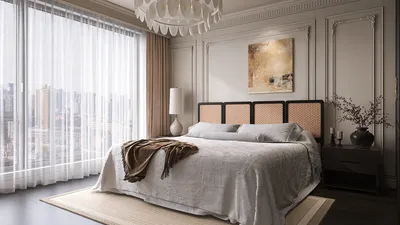


In recent years, a significant trend in interior design that has captured the attention of my clients is the move towards neutral and adaptable bases, with grey flooring leading this transformation. With over a decade of experience designing small apartments and inviting family homes, I can confidently say that grey floors serve as an excellent creative foundation for living rooms. Particularly in compact spaces, I've learned that constraints can lead to the most innovative ideas. Today, I will share ten inspiring living room concepts featuring grey floors, incorporating my design experiences and expert insights.
1. Minimalistic Grey and White Elegance
From my perspective: One of my all-time favorite renovations involved a 35㎡ apartment where I combined a soft grey oak floor with bright white walls. This simplicity created a calming and timeless environment, transforming the small living area into a refreshing escape.
Benefits: This pairing enhances natural light and fosters a crisp aesthetic, perfect for Scandinavian or Japandi styles. As noted by Architectural Digest, lighter flooring can create an illusion of larger spaces in compact areas.
Drawbacks: If you tend to be messy during hectic weeks like I do, white walls can highlight every mark or coffee spill. Investing in a washable paint can be worthwhile.
Advice: Integrating warm textiles, such as linen curtains, can soften the space, preventing it from appearing overly sterile. During one project, I adopted a minimalist storage approach to maintain a sleek look without sacrificing functionality.
2. Warm Wood Accents Complementing Grey Floors
From my perspective: Grey floors can sometimes exude a chilly vibe. In a particular project, I introduced walnut side tables and a teak TV stand over grey laminate, and this contrast instantly brought warmth to the setting.
Benefits: Wood introduces an organic feel that offsets the coolness of grey, making the living room feel cozy all year round. It pairs seamlessly with modern farmhouse and mid-century modern aesthetics.
Drawbacks: Using too many wood variations can lead to clashes. I generally stick with 1–2 wood finishes per room to maintain cohesion.
Advice: Incorporate woven baskets or a wooden picture ledge to naturally repeat wood tones.
3. Accentuating with Color through Textiles
From my perspective: In small living rooms featuring grey flooring, I enjoy incorporating jewel-toned cushions or an eye-catching patterned rug to alleviate monotony. For instance, in a micro-apartment I designed, a deep teal velvet sofa was the centerpiece.
Benefits: Colors are amplified against grey, allowing decorative elements to shine. The neutrality of grey flooring means you can easily switch your palette with the seasons.
Drawbacks: Bold colors can overpower small spaces when overused. Limit yourself to one striking piece while keeping the rest understated.
Advice: Opt for a textured rug — it enhances the aesthetic and adds comfort underfoot.
4. Grey Floors Integrated with Glass Elements
From my perspective: One of the designs I am most proud of featured a compact living-dining area with grey tile flooring complemented by a glass coffee table and transparent shelving. This combination maintained an airy feel while ensuring ample storage.
Benefits: Glass reflects light and fosters an open ambiance — Elle Decor emphasizes its advantages in small space designs. It can also contribute to a more refined look with zinc or concrete grey flooring.
Drawbacks: Beware of fingerprints! If you have children, glass furniture may mean more cleaning.
Advice: Use tempered glass for safety; in open spaces, transparent room dividers can create visual zones without feeling cramped.
5. Layered Textures with Grey Rugs on Grey Floors
From my perspective: Some individuals worry about layering grey on grey, but I've found success through texture variation. For example, in a loft, I placed a chunky knit rug over smooth slate tiles, which created a rich and grounded atmosphere.
Benefits: Tone-on-tone layering offers sophistication and depth without introducing competing colors.
Drawbacks: If the tones are overly similar, the space can appear flat. Aim for a slightly warmer or cooler shade for the rug.
Advice: Mix various textures — consider wool paired with concrete or silk alongside matte laminate.
6. Utilizing Metallic Accents for Light Play
From my perspective: I once designed a living room featuring grey floors with brushed brass lamp bases and chrome-framed mirrors. These metallic touches elevated the overall appearance beyond the ordinary.
Benefits: Metallic elements reflect light beautifully, enhancing the neutral base provided by grey. This style is particularly effective in glam and contemporary homes.
Drawbacks: Overusing metallics can come across as gaudy. Strive for balance by incorporating matte surfaces.
Advice: Choose one dominant metal and repeat it subtly across various fixtures.
7. Bold Artwork as a Centerpiece
From my perspective: Grey floors act as a neutral backdrop for art. In one client's home, a single oversized abstract canvas transformed the atmosphere without altering the floor or wall colors.
Benefits: Art injects personality into a space and gains visibility against neutral floors. Economical swaps can keep the aesthetic refreshing.
Drawbacks: Sizing is crucial — too small and it disappears, too large and it overwhelms the area.
Advice: Consider leaning large frames against walls for a casual, modern look.
8. Enhancing Atmosphere with Layered Lighting
From my perspective: I like to think of lighting as ‘jewelry for the home.’ In one grey-floored condo renovation, we used floor lamps, pendant lights, and hidden LED strips, creating layers of lighting that imparted different moods throughout the day.
Benefits: This approach allows for easy adjustment of ambiance; warmer bulbs can soften grey tones.
Drawbacks: Installing multiple fixtures can stretch your budget.
Advice: Smart bulbs can assist in changing tone and brightness based on your needs, and visualizing multiple light sources before installation can prevent expensive errors.
9. Monochrome Modern Design
From my perspective: In a project blending office and living areas, I utilized only varying shades of grey, black, and white — no other colors present. This became a striking design statement that mirrored the client's minimalist taste.
Benefits: A monochrome color scheme is sleek, effortlessly coordinated, and conveys intentionality. It harmonizes well with industrial, urban, or minimalist designs.
Drawbacks: Without textural variation, it risks coming across as stark or flat.
Advice: Incorporate plants or textured cushions to soften the overall sharpness.
10. Grounding Grey Floors with Greenery
From my perspective: Adding plants is my secret to infusing life into any area. Grey flooring beautifully showcases lush green foliage. In my latest downtown project, a small fiddle-leaf fig perfectly embodied this idea.
Benefits: Green elements invigorate the space and enhance air quality, as noted in the NASA Clean Air Study. Works from petite succulents to large statement plants.
Drawbacks: Maintenance is critical — neglected plants can create the opposite effect.
Advice: Group plants in odd numbers for a more organic appearance.
Conclusion
As these ten concepts illustrate, having grey floors in your living room isn't constraining; rather, it offers a chance to design more thoughtfully, layer textures, and explore colors in ways not feasible with bolder flooring. The adaptability of grey provides timeless charm. As highlighted by House Beautiful, this makes grey a lasting choice for homeowners. Which of these design suggestions would you be most eager to implement in your space?
FAQ
Q1: Which wall colors are best suited for living rooms with grey floors?
Neutral hues like white, beige, and light greige work beautifully. For a bold twist, deep navy or green can provide contrast without clashing.
Q2: Do grey floors create an illusion of spaciousness in living rooms?
Absolutely. Light grey wood or tile enhances light reflection, creating a sense of space, as suggested by Architectural Digest.
Q3: Are grey floors compatible with wooden furniture?
Definitely. Warm woods, such as oak or walnut, can provide a balanced touch to the cool hue of grey.
Q4: What can be done to make grey floors less cold in feel?
Introduce warm-toned textiles, layered lighting, and wooden accents. A textured rug can also make a significant difference.
Q5: Are grey floors too trendy and likely to go out of style?
Not at all. Grey is deemed a classic neutral; it’s the accents that typically shift in trend, not the flooring itself.
Q6: Which living room styles pair best with grey floors?
Grey flooring complements a variety of styles, including contemporary, Scandinavian, industrial, minimalist, and rustic farmhouse designs.
Q7: Is mixing different shades of grey within one room acceptable?
Absolutely — in fact, layering varying greys through rugs, sofas, or throws can add depth and interest.
Q8: Can patterned rugs be used over grey floors?
Certainly. Patterned rugs can anchor the space and enhance visual interest, as I did in a recent project for a modern loft.
Transform your home design dreams into reality with Homestyler! This user-friendly platform offers a powerful online design tool, stunning 3D renderings, and a wealth of inspiring design projects and video tutorials. Perfect for both beginners and seasoned designers looking to explore their creativity!
Дизайн сейчас бесплатно
































