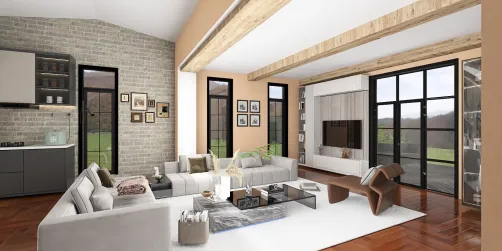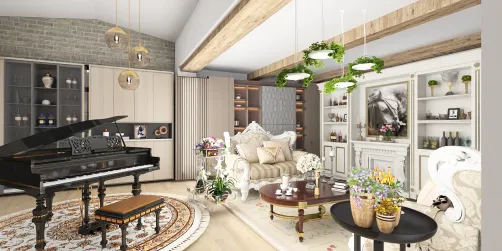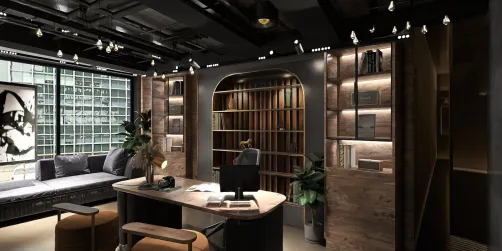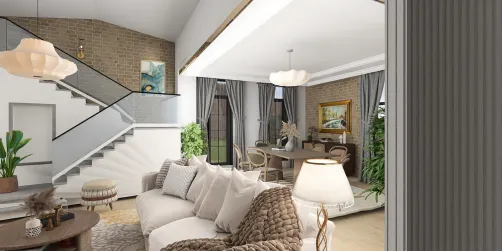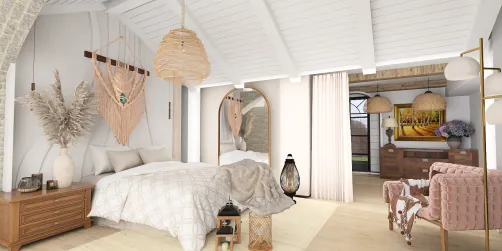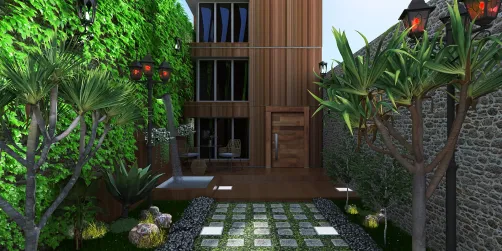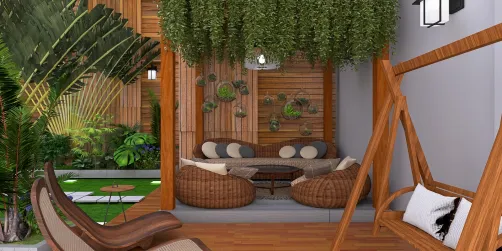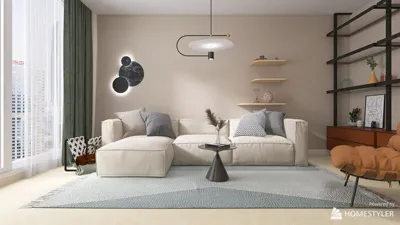
The future is increasingly focused on adaptability, particularly as families seek more dynamic living spaces that surpass traditional boundaries. This demand reveals insights from AIA residential surveys showing a consistent rise in the need for durable and versatile layouts. Additionally, NAHB reports a growing trend in multigenerational living. This evolution translates into innovative designs like a triple bedroom house plan situated on the second floor, effectively catering to the demands of a changing lifestyle. My approach utilizes a spatial reasoning toolkit that underlines this design philosophy—when a client requests a triple bedroom layout on the second floor, I prioritize functionality over mere square footage, paving the way for a more flexible living environment with tools like Homestyler.
Split-Core Gallery | Three Beds around a Shared Spine
Design Logic: A central gallery serves as a steady core, where three bedrooms can be configured like modules—enabling future family expansion or the adaptability for remote work without the need for major redesigns.
Flow: The entrance leads to the central spine, which then branches out: the primary suite at the front, children's rooms at the back, while the bathroom and laundry are centrally located to minimize unnecessary movement.
Sightlines: The gallery provides long, serene views; doors are strategically placed to enhance privacy while a clerestory acts as a natural indicator of daylight.
Storage: Deep wardrobes and a linen wall adjacent to the spine offer ample storage, reducing clutter and promoting effortless movement within the home.
Furniture Fit: Configured for queen beds, with 30-36" clear pathways and a 60" turning radius in the bathroom, this design aligns with an adaptable layout for easy movement.
Verdict: This configuration embodies resilience: in five years, it will function as a dependable system where sleep, work, and care can coexist harmoniously.
save pinOpen in 3D Planner Processing...
L-Shaped Retreat | Corner Primary with Two Secondary Nodes
Design Logic: The L-shaped arrangement places the primary suite in a quiet corner, while two secondary rooms align along the shorter leg—effectively isolating noise and high-activity areas.
Flow: The staircase lands at the elbow of the L; pathways split efficiently, directing guests to the lounge area and family members to the sleeping quarters without congestion.
Sightlines: Diagonal views from the lounge towards the corner window create layered perspectives, fostering a sense of privacy as one moves inward.
Storage: Under-eave drawers, a shared cabinet at the elbow, and bed-base storage keep essential items within reach but tucked away.
Furniture Fit: Spanning 9–11' accommodates both desks and full or queen beds, with reading chairs fitting comfortably in 5' alcoves—ensuring precision for modern hybrid lifestyles.
Verdict: The L layout is a thoughtful design: in five years, its serene corners and efficient branching will support both focus and relaxation.
save pinOpen in 3D Planner Processing...
Ring & Node | Perimeter Bedrooms with Central Commons
Design Logic: Bedrooms are positioned around the perimeter to maximize natural light, while a central common area serves multiple purposes—working during the day, practicing yoga at dawn, and storytelling at night.
Flow: The circular corridor operates like a round-robin schedule, ensuring even traffic distribution and mitigating bottlenecks during peak usage times.
Sightlines: Round windows light the core area; semi-transparent dividers allow visibility while maintaining privacy—a clear hierarchy throughout the space.
Storage: Built-in units line the perimeter, creating a central wall for shared equipment storage—such as vacuums, linens, and devices—granting easy access without clutter.
Furniture Fit: Beds align with walls devoid of windows to maintain ergonomic flow; modular sofas in the commons can be reconfigured as needed, similar to software plug-ins.
Verdict: The ring design adapts gracefully: years later, it will uphold a high level of social interaction while maintaining personal space.
save pinOpen in 3D Planner Processing...
Final Takeaway
A triple bedroom house layout on the second floor emphasizes functional design over mere square footage, enhancing daily rhythms. Whether your choice is a ring, a spine, or an L configuration, the ambition translates into smooth flows, well-considered sightlines, and storage solutions that function almost instinctively. Based on my experiences, the homes of the future will not necessarily be larger, but rather more thoughtfully designed; it's evident through my projects that strategically placed furniture can transform any room into an efficient and reliable system, and tools like Homestyler significantly aid in visualizing these concepts effectively.


Experience the magic of interior design with Homestyler! This user-friendly online platform offers an intuitive design tool, stunning 3D renderings, and a wealth of design projects and video tutorials. Whether you're a novice or a pro, Homestyler makes transforming your space effortless and fun!