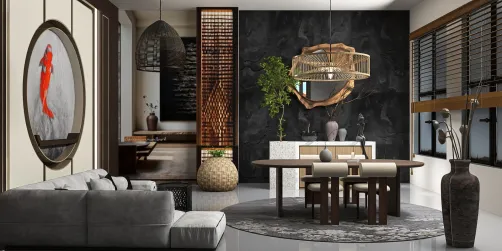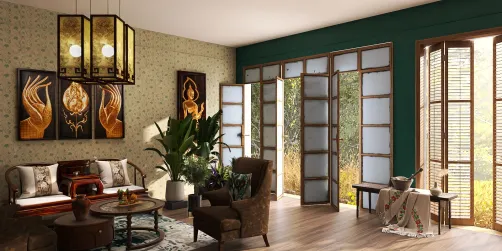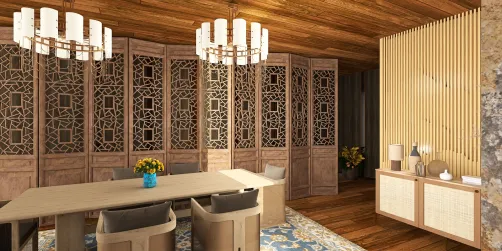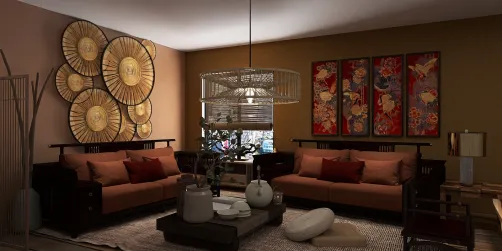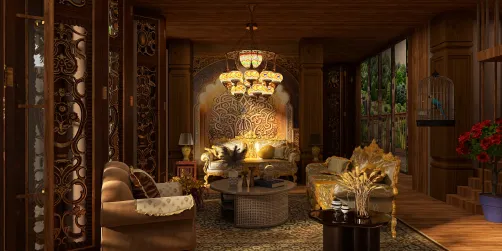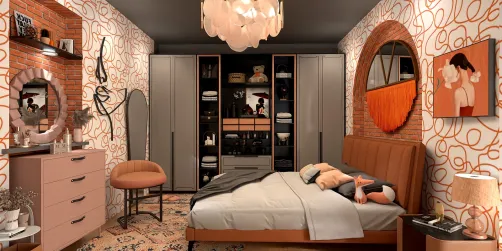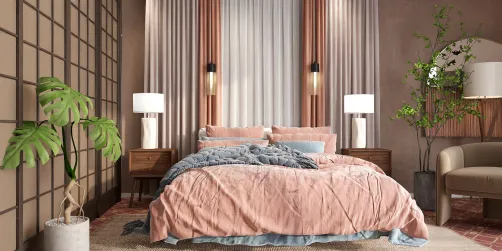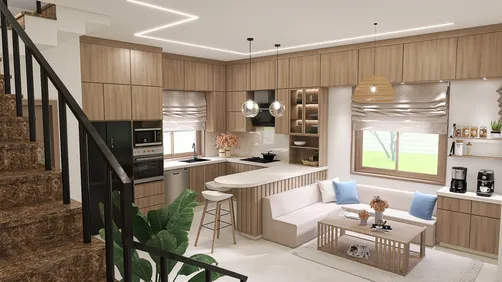
As the future of living spaces evolves, it aims to streamline performance and minimize noise, contrasting with today’s struggle against tangled cables and sound leakage. Recent AIA surveys reveal that homeowners now prioritize versatile multi-use rooms instead of traditional single-purpose areas. This trend significantly influences the integration of technology within these spaces, particularly for advanced three-way floor speaker layouts. The future is unfolding, shaped by innovative spatial reasoning tools that refine our daily arrangements.
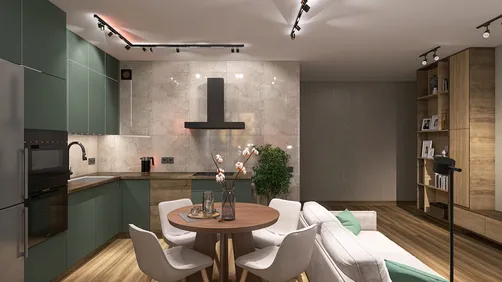
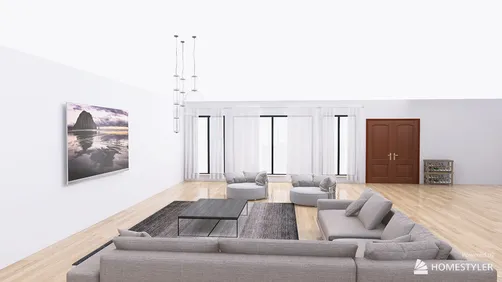
Tri-Driver Column in a Living/Dining Hybrid
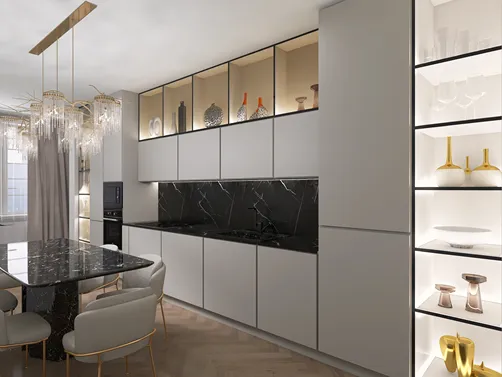
Design Logic: This sleek tower features a low woofer, midrange positioned at chest height, and tweeters near ear level, crafted to analyze and enhance the auditory experience in open-concept environments.
Flow: The arrangement flows seamlessly from entryway to the seating area, then to the listening zone, eventually merging into the dining space, with cables neatly tucked along the baseboards to maintain order.
Sightlines: The speaker drivers are strategically aligned with sightlines, ensuring tweeters remain unobstructed by chair backs, while the speaker grills serve as a subtle interface, reducing visual noise.
Storage: The media console is designed as a storage hub, accommodating vinyl collections, a DAC shelf, and cable management systems, while hidden compartments help control daily disorder.
Furniture Fit: Ideal seating positions are maintained at approximately 8–10 feet from the speakers, with a centerline angle of 15° toe-in; coffee table height is adjusted to minimize mid-reflection effects in alignment with audio processing limits.
Verdict: Over the next five years, this hybrid design promotes an integrated system for dining, conversation, and information retrieval without compromising audio clarity.
save pin
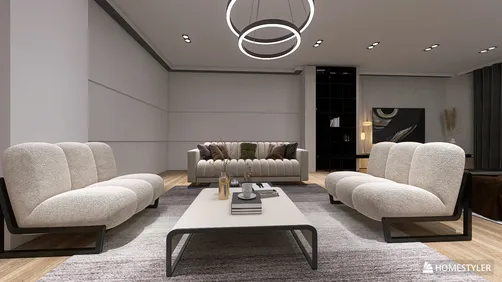
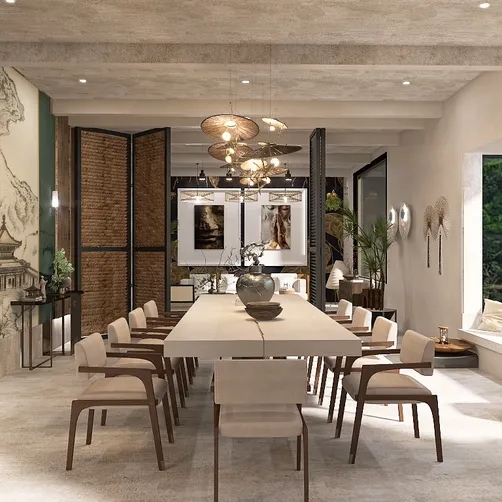
Studio Loft with Offset Pair and Sub Integration
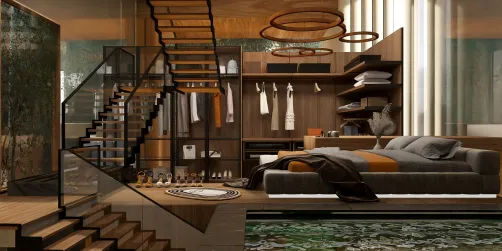
Design Logic: In rooms with high ceilings, offset towers help to eliminate vertical audio modes, while a compact sub woofer provides reliable low-end support, adapting to various usage scenarios.
Flow: The layout progresses from a workbench to a lounge area, creating a listening arc, with movable panels enabling flexibility and transforming sound into a programmable pathway.
Sightlines: Tweeters are strategically placed below the mezzanine rail to minimize glare, while mid drivers are situated to avoid reflections from glass, enabling light to accentuate the drivers as focal points.
Storage: Wall grid racks are utilized for the organized storage of cables, stands, and pads, with labeled sections ensuring quick and efficient setup, thus enhancing productivity.
Furniture Fit: The arrangement includes reference positions for the desk chair and sofa; towers are positioned 24–30 inches from the walls, with the sub woofer centrally located for symmetrical audio performance.
Verdict: This configuration is designed to future-proof both creative and leisure activities, allowing a compact studio to function as a precise interface rather than feeling congested.
save pin
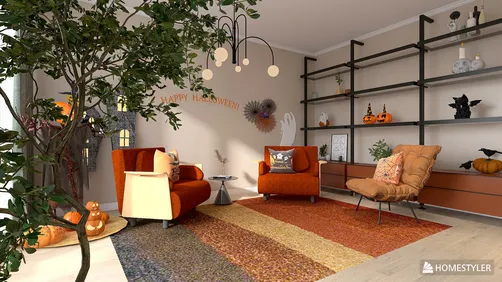
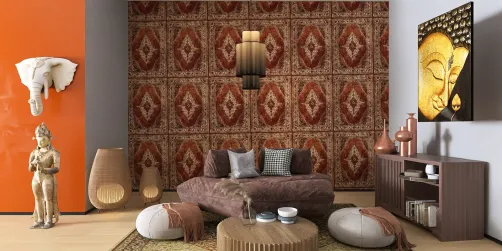
Media Room with Asymmetric Niche and Acoustic Zoning
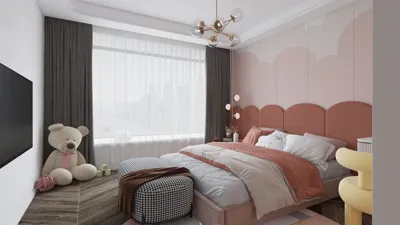
Design Logic: One speaker tower fits snugly within a niche while the other stands free, utilizing asymmetry to optimize audio dynamics and cater to natural human movement patterns.
Flow: The spatial arrangement includes a door leading to a buffer zone, then onwards to a seating area and a concentrated listening axis, with cable management mapped out to minimize exposure.
Sightlines: The layout regulates visual focus, prioritizing screen visibility first, followed by cues from tweeters and the rich texture of midrange sounds, while actively preventing glare on driver surfaces.
Storage: A built-in rack provides a hierarchy for storage—power conditioners on the lower level, sources in the middle, and accessories on top—facilitating optimal airflow for cooling.
Furniture Fit: Recliners are positioned at one-third of the room's depth, towers are angled at 10–15°, and side tables are placed strategically to prevent audio reflections—adhering to strict audio processing principles.
Verdict: This zoning strategy ensures clear dialogue, disciplined bass response, and stable family interactions within an adaptable acoustic environment over time.
save pin
## Final Takeaway
Innovative three-way floor speaker designs empower homes to treat sound as data, layered and intentionally directed. In environments, whether expansive open spaces or compact studios, the layout operates as the fundamental system, with speakers acting as active nodes of interaction. Whether referred to as floor-standing audio arrangements or living interfaces, the most intelligent future is embedded within the pathways, not merely the wattage. My experience indicates that precise speaker placement coupled with smart storage solutions redefines how clients listen, work, and socialize, enhancing the overall experience with tools such as Homestyler.


Looking to transform your space effortlessly? Homestyler is your go-to online platform for home design! With its user-friendly design tool, stunning 3D renderings, and inspiring DIY video tutorials, you can create and visualize your dream interiors with ease. Start designing today!