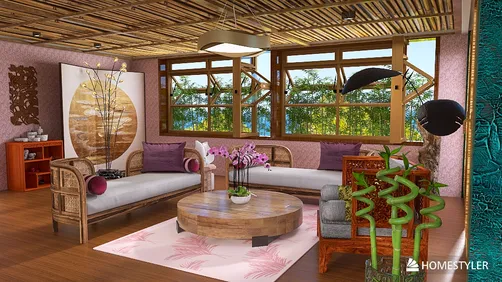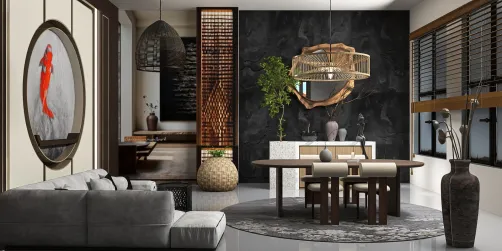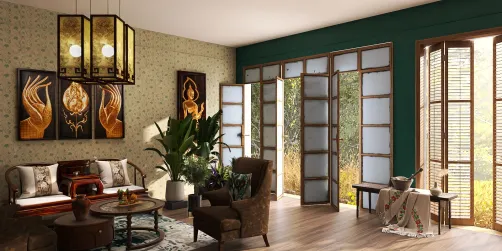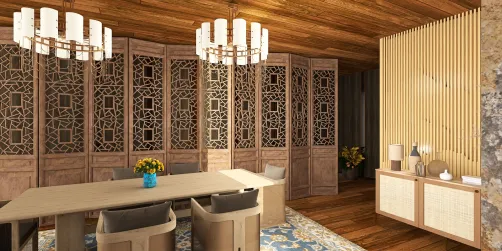
As lifestyle demands evolve, many families are finding themselves adapting to smaller living spaces while their daily routines stretch across various screens, caregiving responsibilities, and focused tasks. Recent data from Zillow indicates that homes designed with efficient layouts are being absorbed more quickly in tight housing markets. I view a 30 sqm two-bedroom house floor plan as an innovative prototype for future living environments—compact yet functional. Utilizing a spatial reasoning toolkit, I interpret this limited area as embodying minimal footprint yet maximal logic, with sightlines acting like a user-friendly operational system—similar to the capabilities found in Homestyler.
Railway Core + Split Nodes
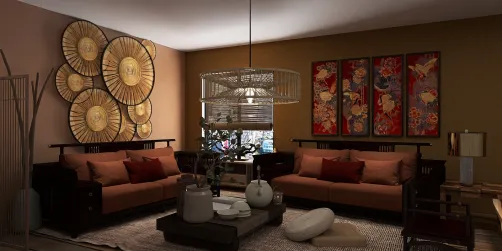
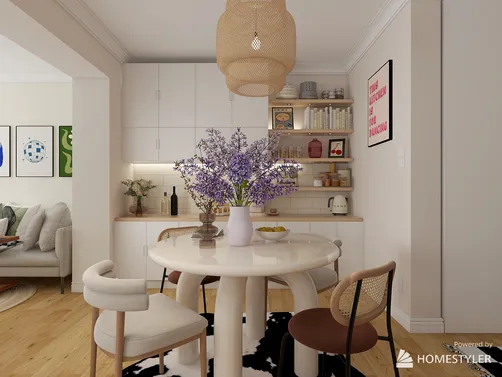
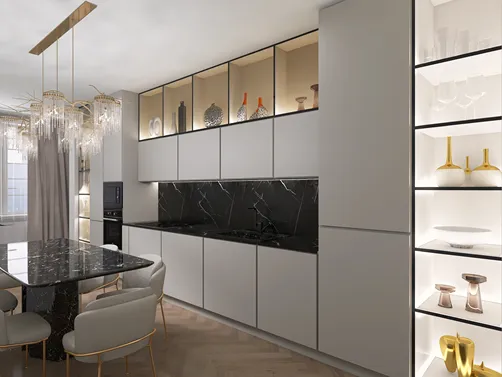
Design Logic: Two compact bedrooms are positioned on either side of a central rail-kitchen and bathroom area, clustering service lines into a single corridor to maintain silence in the periphery—future households require separable privacy even in small spaces.
Flow: Entry → corridor → bathroom node → left sleeping pod → right mini-suite; this arrangement flows like a coherent narrative, minimizing unnecessary branching.
Sightlines: Extended views from the entrance to a window enhance the flow of light, using partial dividers to create layers of information without visual clutter.
Storage: Tall rail cabinets serve as a storage solution; niches of 300–350mm depth can accommodate everyday items like shoes, bags, and linens, positioned near the main pathways.
Furniture Fit: Platform beds measuring 1400–1500mm, wall-attached desks of 900mm, and sliding panels function as constraints to ensure smooth movement through the space.
Verdict: This spine-oriented design can adapt to the anticipated shifts in living patterns over the next five years—work, rest, and caregiving—by making privacy a fundamental component of the layout.
save pin
Diagonal Light Spine
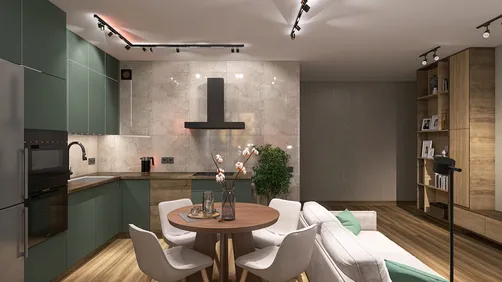
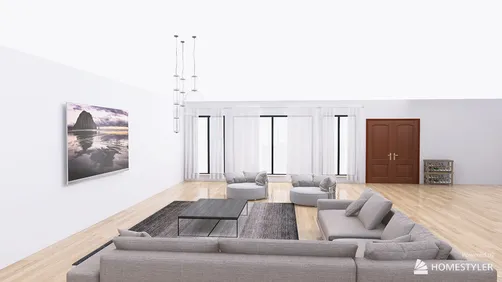
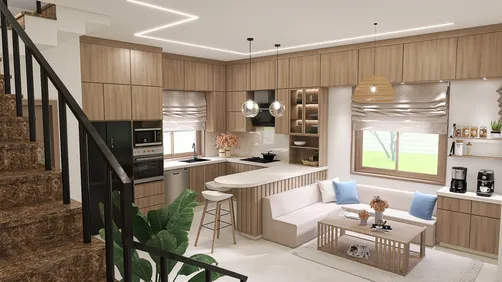
Design Logic: Positioning the living micro-hub in a corner and creating diagonal sightlines lets every area bask in daylight; small spaces thrive on luminous transitions to create a sense of generosity.
Flow: Entry → living hub → short-wall kitchen → bedrooms accessed through diagonal doors → bathroom tucked in a shaded corner, optimizing for light.
Sightlines: Diagonal sightlines function like user interface notifications: primary views lead to windows, secondary to glass doors, and tertiary to reflective surfaces, amplifying depth perception.
Storage: Corner wardrobes and under-bed drawers offer organized storage; overhead compartments align to create a harmonious visual experience without distraction.
Furniture Fit: A compact 1600mm sofa, drop-leaf table measuring 800×800mm, and clear pocket doors at 700mm ensure that all dimensions respect the living interface, minimizing obstructions.
Verdict: By enhancing diagonal brightness, this plan creates an illusion of spaciousness—promoting smooth routines with less visual interruption.
save pin
Pocket Suite + Bunk Pod
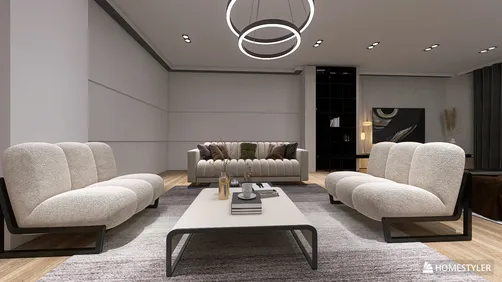
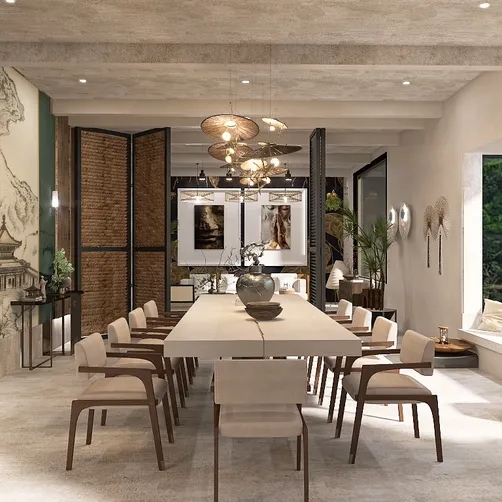
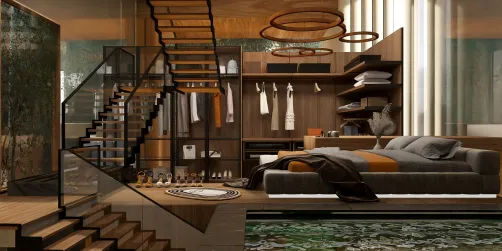
Design Logic: One of the bedrooms converts into a pocket suite with a foldable desk; the other serves as a bunk pod for children or guests—flexible sleeping arrangements are becoming standard in modern homes.
Flow: Entry → combined living/kitchen → pocket suite sliding off the main area → bunk pod behind acoustic panels → bathroom located adjacent to the stacking area.
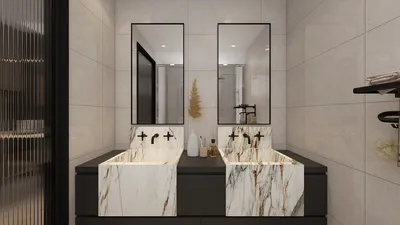
Sightlines: Layered translucency through materials like reeded glass and half-height shelving maintains information privacy akin to user interface settings.
Storage: Built-in stair-bunk drawers and wall rails act as immediate storage solutions; deeper storage sits above doors for infrequent, seasonal use.
Furniture Fit: The Murphy bed at 1500mm, bunk measuring 900×2000mm, and low-profile ceiling fans ensure compatibility with the space’s interface, promoting seamless use.
Verdict: This layout anticipates diverse living scenarios over the next five years—guests, newborns, and remote work—without compromising functionality.
save pin
## Final Takeaway
The concept of a 30 sqm two-bedroom unit should not be viewed as a limitation but as a carefully designed operating system where flow, sightlines, and storage coalesce to shape daily experiences. In small footprints, both two-bedroom units and micro home designs thrive when their furniture layouts and storage options are meticulously planned, and when natural light is treated as a vital resource. The future of living favors intentional density over superfluous space, and through my observations, the most durable homes optimize routines into coherent and user-friendly interfaces, akin to those offered by Homestyler.


Homestyler is your go-to platform for effortless home design. With its user-friendly online design tool, stunning 3D renderings, and a wealth of inspiring interior design projects and video tutorials, you can easily transform your living space into a dream home. Start creating today!