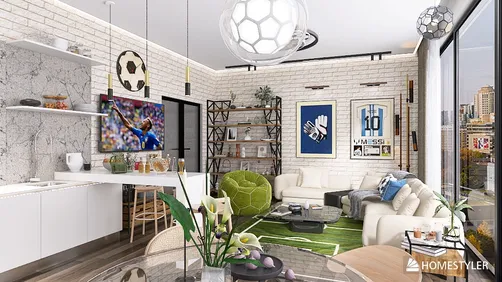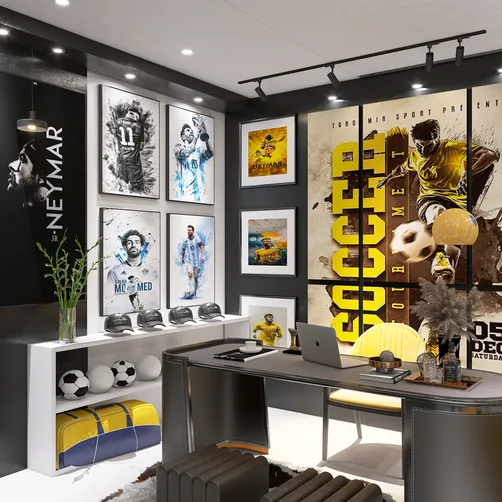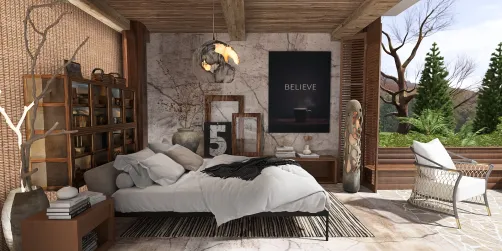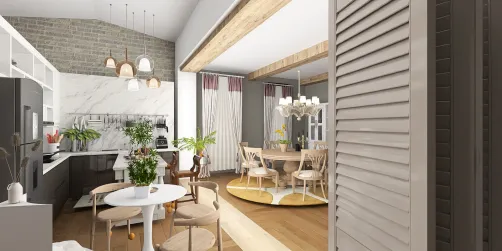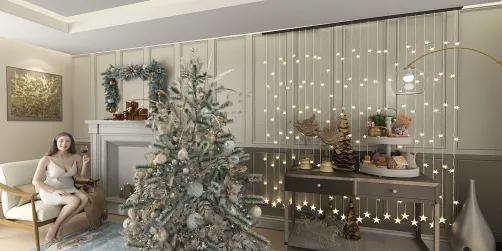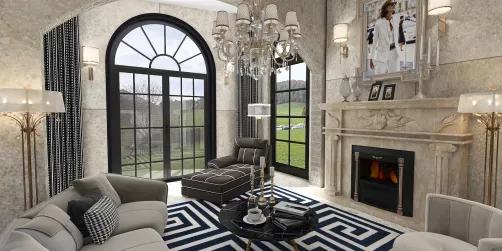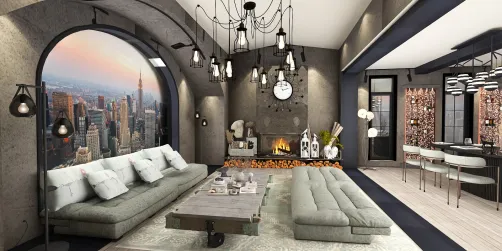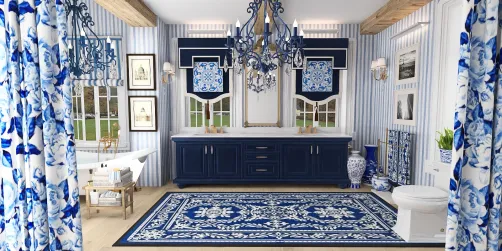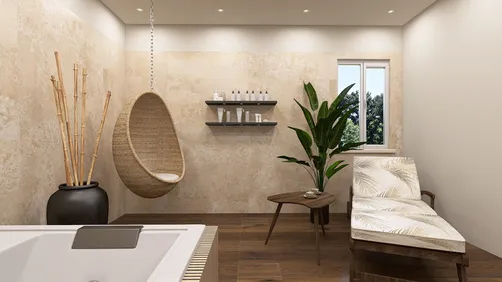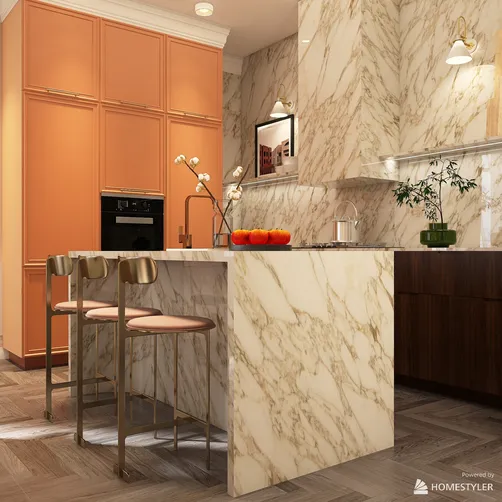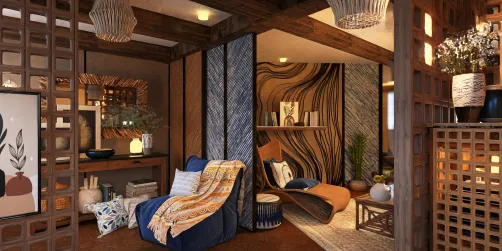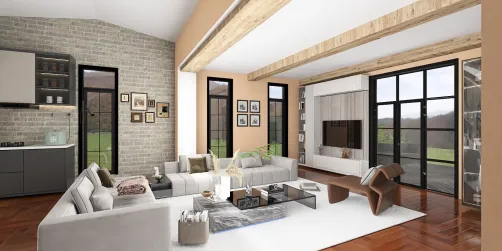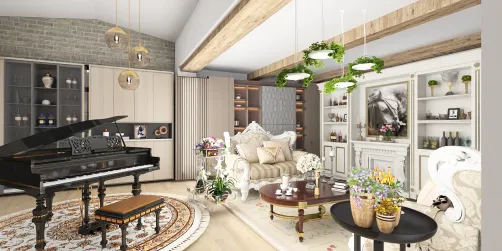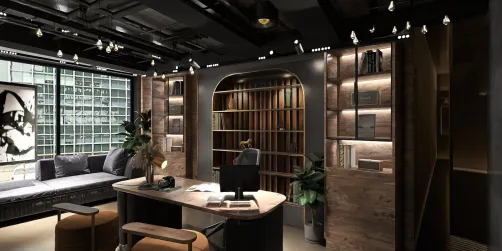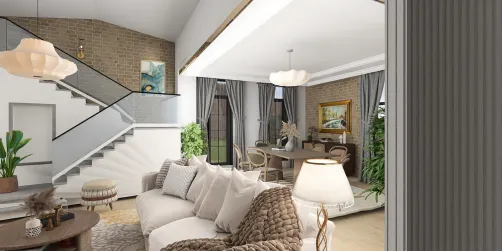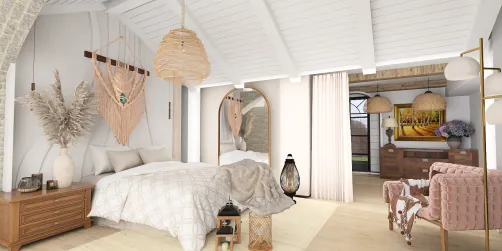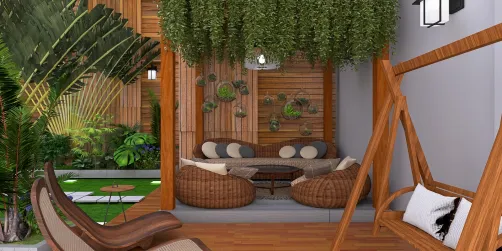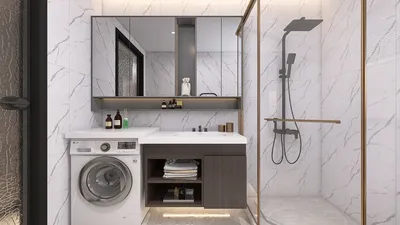
As we look towards the future, it is becoming increasingly clear that contemporary homes are struggling with issues such as noise disturbances, inconvenient staircases, and insufficient storage space. Reports from the AIA indicate a growing trend towards wellness-centered layouts and adaptable rooms becoming commonplace. I liken a villament to a crucial update in our domestic lives, compressing 2400 square feet into a serene, multi-level environment. Here’s my take on a 2400 sq ft villament floor plan, where spatial design optimizes flow and daily routines harmonize effortlessly, all aided by tools like Homestyler for precise visualization.
Garden-Level Work/Guest Hybrid
Design Logic: The ground level serves as a pressure release—a flexible suite that can transform between a studio, guest bedroom, or quiet office space, catering to the needs of remote work and multi-generational visits.
Flow: Entry → mudroom → narrow hallway → flexible suite → garden patio; this efficient path minimizes dirt and noise from impacting the main living area.
Sightlines: Low-silled windows prioritize views of greenery over the interior doors; this visual arrangement promotes calmness before daily tasks commence.
Storage: Integrated wardrobe units and drawer benches provide easy access to essential items near the entryway; a concealed AV/network rack serves as an elegant backend solution.
Furniture Fit: A wall bed measuring 60x80 inches along with 24-inch deep millwork and a 30-inch desk clearance ensures smooth transitions between different functions.
Verdict: This floor serves as a buffer for guests and work activities, future-proofing against potential schedule spikes while maintaining the integrity of the home's core flow.
save pinOpen in 3D Planner Processing...
Mid-Level Social Core
Design Logic: An open concept kitchen, living, and dining area operates as the heart of the home, facilitating cooking, conversation, and light sharing without interference.
Flow: From the stair rise → landing point → galley kitchen plus island → dining area → lounge → terrace; this arrangement promotes a clear and logical progression.
Sightlines: The view from the island to the terrace creates a spacious feeling, while appliances are strategically placed to enhance daylighting and visibility.
Storage: Tall pantry towers, toe-kick drawers, and a shallow sideboard ensure ample storage, effectively minimizing clutter on countertops.
Furniture Fit: With a 36-inch aisle, 42-inch clearance around the island, and a span of 72-84 inches for sofas and a 36x72 inch table, there’s plenty of room for movement and interaction.
Verdict: The social center performs efficiently even under busy conditions; upcoming needs indicate increased hosting opportunities without alterations to the existing square footage.
save pinOpen in 3D Planner Processing...
Upper-Level Private Cluster
Design Logic: Bedrooms and bathrooms function as tranquil environments, separated yet connected by a laundry hub and a small study nook.
Flow: From the stair landing → linen closet → primary suite → children's or guest rooms → shared bathroom; minimal steps reduce nighttime disturbances.
Sightlines: Offset doors prevent visual disruptions, and clerestory windows add a layer of sky, enhancing the aesthetic over hallway clutter.
Storage: Reach-in closets with two-tier hanging options, deep drawers, and under-stair seasonal storage allow for organized living akin to a well-cataloged library.
Furniture Fit: For the primary suite, a 76-inch king bed fits comfortably with 30-inch nightstand gaps; secondary rooms accommodate either a 60-inch bed or twin beds with ample circulation space.
Verdict: This area maximizes tranquility for sleep and study, maintaining flexibility that easily adapts from nursery to teen comfort zone in just a few years.
save pinOpen in 3D Planner Processing...
Final Takeaway
A 2400 sq ft villament layout thrives when each level operates as a well-thought-out module with seamless transitions. This approach combines the best features of apartments and villas, creating flexible spaces and disciplined storage solutions. The long-term functionality stems from circulation patterns that flow effortlessly—much like a well-written code. From my perspective, the most intelligent homes of the future won’t necessarily be larger; they will be more purposeful. Utilizing design tools like Homestyler allows for visualization and realization of how even minor spatial decisions can significantly affect our daily lives.

Looking for an easy way to design your home? Try Homestyler! This user-friendly platform offers a powerful online design tool, stunning 3D renderings, and a wealth of DIY video tutorials to help you create your dream space effortlessly. Start your design journey today!