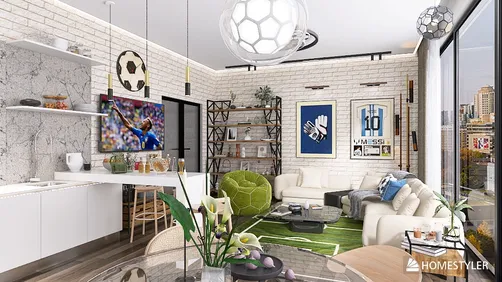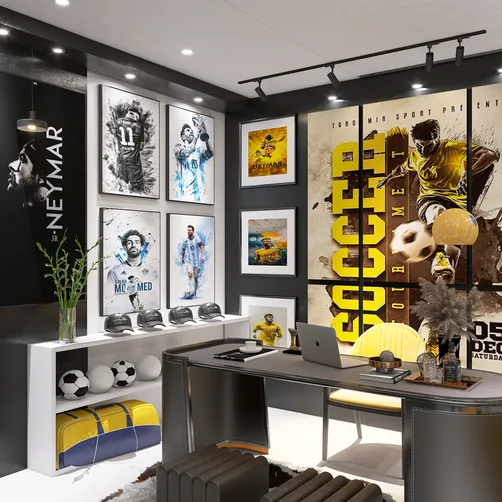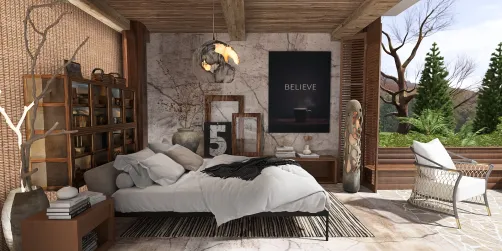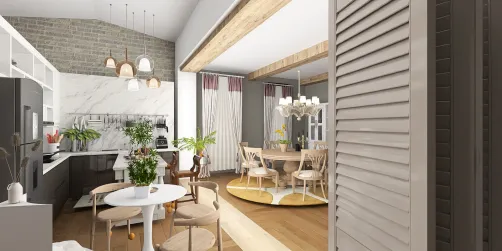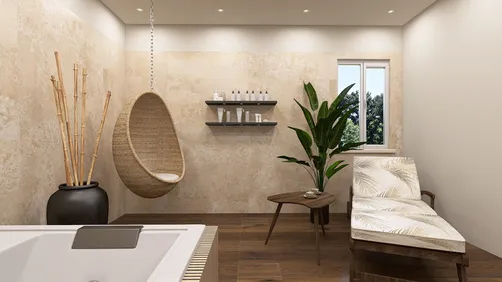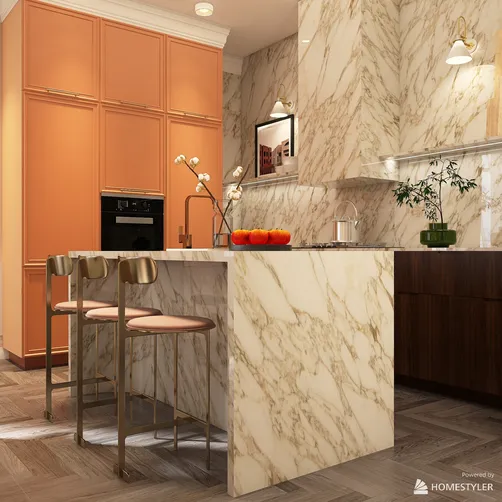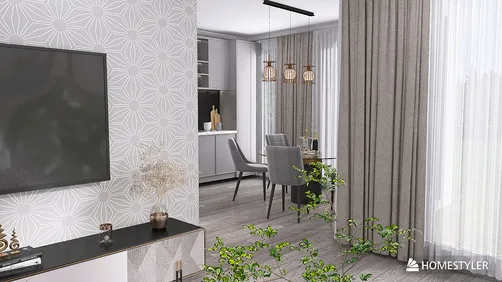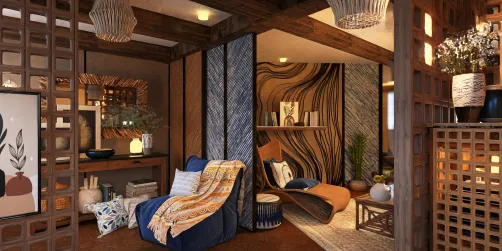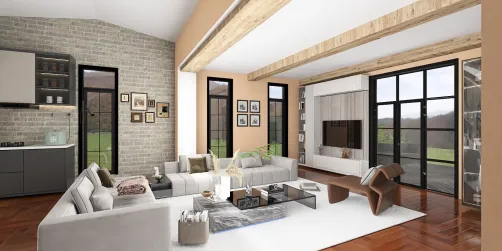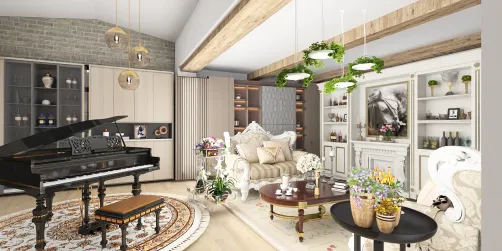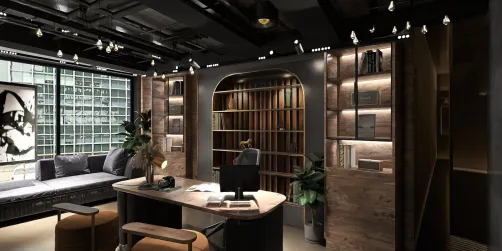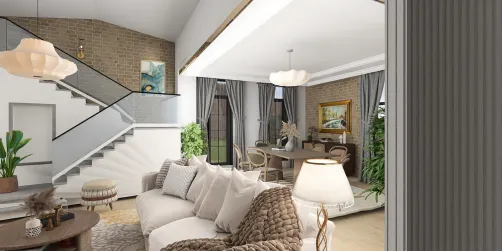
The future of living is shifting towards streamlined, efficient designs, yet many existing homes face challenges such as fragmented storage solutions, uncomfortable circulation paths, and insufficient natural lighting. Data from the AIA highlights a rising interest in versatile, multi-functional rooms. I view small-budget modern Indian home layouts as foundational blueprints for a future where resources—whether financial, temporal, or energetic—are limited. Each design choice involves a consideration of spatial reasoning, as tomorrow’s living patterns demand heightened efficiency.
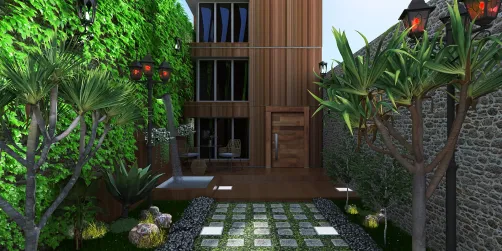
Compact Courtyard Concept
Design Principle: A micro-courtyard serves as both a thermal buffer and a social hub, keeping costs low while allowing natural light to flow freely within the space.
Layout: Transitioning from the entryway to a living-dining corridor, continuing to the courtyard, then to the kitchen and bedrooms creates a linear journey with key resting points to enhance airflow and movement.
Sightlines: The progression from the door to the green open space and then through to the kitchen adapts smoothly, resembling user interface layers—creating varying levels of privacy suited for multigenerational living.
Storage Solutions: Features include extensive window seat benches, built-in wall niches, and loft storage above passageways—organizing storage to align with thermal zones, thereby preventing clutter.
Furniture Arrangement: The design includes 3-2-1 modular seating, a six-person expandable table, and platform beds featuring 18-inch underdrawers—all optimized for the width of the main living layout.
Conclusion: In five years, this courtyard model will act like a cooling algorithm that fosters community over chai, harmonizing climate comfort with social interaction.
save pinOpen in 3D Planner Processing...
Rail Structure with Intelligent Service Core
Design Principle: A centralized wet core, encompassing the bathroom and utility spaces, minimizes plumbing runs and cuts costs; linear rails on either side accommodate living and sleeping areas.
Layout: From the entry leading to a living area, then to the service core, followed by a kitchen rail and bedrooms, the flow is like a routing system sending instructions seamlessly around the home.
Sightlines: Controlled diagonal views ensure the living area is well-lit, avoiding direct sightlines to bedrooms, while the kitchen gets quick access to the core—balancing noise levels and views effectively.
Storage Solutions: Features such as vertical pantries, overhead utility storage in the core, and wall-to-wall wardrobes in the sleeping areas create accessible storage points, reducing retrieval time.
Furniture Arrangement: The setup allows for a 7-foot sofa in a 10-foot space, wardrobes at 24 inches deep, and counters measuring 30 inches; all maintained within narrow rail specifications.
Conclusion: This design is durable over time: the stable service core remains constant as living areas evolve to fit the needs of families, whether for children, elderly relatives, or home offices.
save pinOpen in 3D Planner Processing...
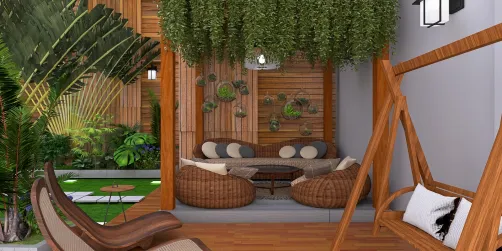
L-Shape Plan with Shaded Verandah
Design Principle: The L shape encircles a shaded verandah, effectively acting as both a thermal buffer and a social gathering space, merging budget considerations with climate-aware design.
Layout: The flow from the street through a verandah gate to the living space, then to the kitchen and bedrooms creates a branched design that filters dust and heat naturally.
Sightlines: The tiered view from the verandah through the living area to the kitchen design fosters intimacy away from the primary pathways of movement.
Storage Solutions: Implementing a shoe and utility wall at the verandah, along with a kitchen corner carousel and bed platforms, distributes storage around the edges, preventing central congestion.
Furniture Arrangement: This includes a narrow 24-inch bench with stackable chairs for outdoor use, a 5-foot media wall, and an 8-foot galley—all dimensions specially coordinated for shading and airflow.
Conclusion: In five years, the verandah will function as a bandwidth enhancer—softening heat while enabling neighborly interactions and fostering more humane living routines.
save pinOpen in 3D Planner Processing...
Final Thoughts
Modern Indian home layouts designed on a limited budget are not simply compromises; they are precisely calibrated systems that align with both environmental conditions and cultural needs. Featuring compact designs, verandah spaces, and efficient service areas, these homes function as responsive frameworks that maximize potential without escalating expenses. I believe the most intelligent homes of the future will not necessarily be larger, but will instead be more purposeful, a philosophy that inspires my ongoing design projects with Homestyler.
Homestyler is your go-to online home design platform that makes creating stunning interiors a breeze. With its user-friendly design tool, impressive 3D renderings, a variety of design projects, and helpful DIY video tutorials, you can effortlessly transform your home into a space that reflects your style!