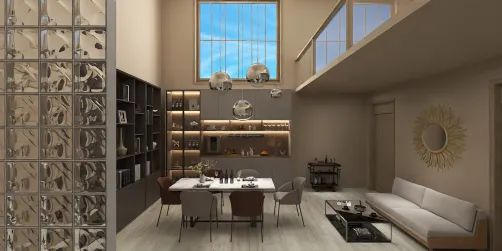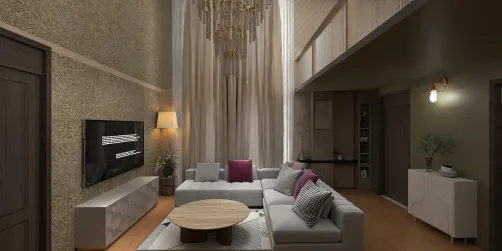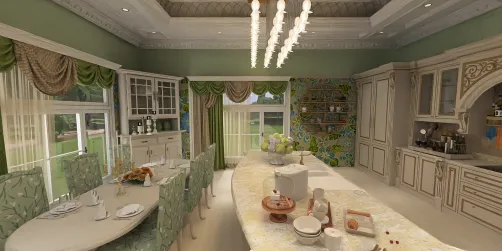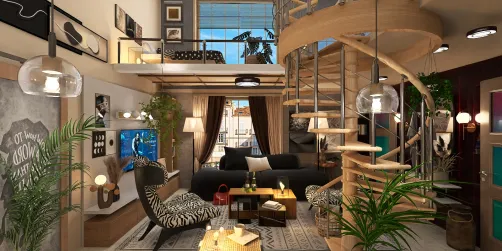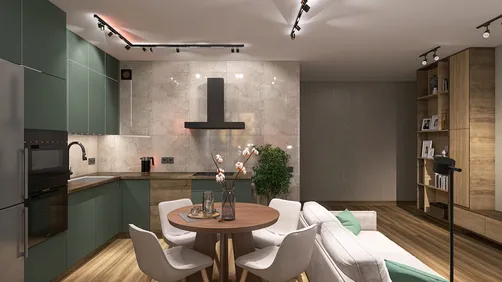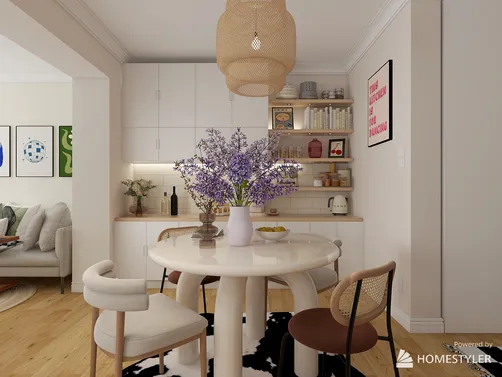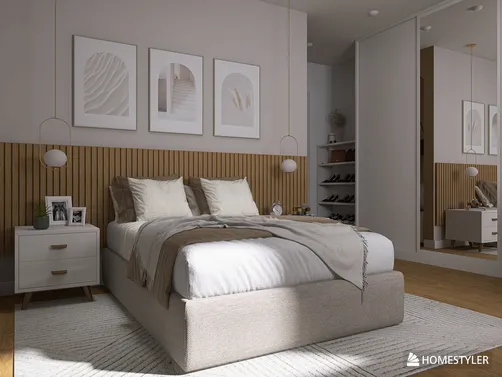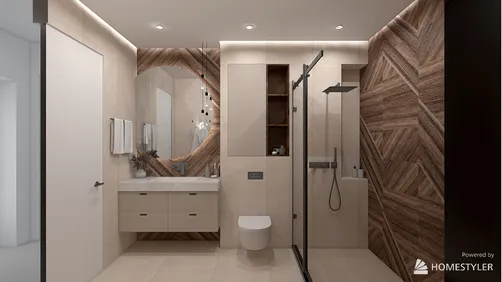
In the past few years, I have observed a significant trend in interior design centered around the increasing appreciation for tactile and visual textures in living rooms. As a designer, I have had the opportunity to work on numerous compact apartments, where the use of wall textures has proven to be transformative—demonstrating that small spaces can inspire greater creativity. Today, I’m excited to share ten innovative wall texture ideas for your living room, drawing upon my personal projects and expert insights, along with the versatile design tool, Homestyler.
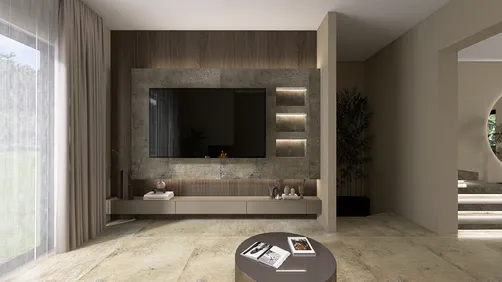
1. Minimalist Concrete Finish
My Experience: I once utilized a soft-grey concrete texture in a 16㎡ living room—immediately enhancing the depth of the space without overwhelming it. This finish pairs exceptionally well with neutral and monochrome color schemes.
Advantages: It establishes a sleek, modern industrial ambiance while being relatively simple to maintain. This wall texture complements minimalist furniture and lighting designs beautifully.
Drawback: It can create a cold atmosphere if the rest of the room lacks warmth; incorporating wooden elements or warm lighting can alleviate this issue.
Advice: Always test a sample patch first, as actual concrete may appear darker once sealed.
2. Wood Panel Warmth
Reflection: In a Scandinavian-themed renovation, I installed vertical oak strips on one wall, which made the narrow living room appear taller. The tactile quality naturally invites interaction, encouraging viewers to touch it.
Benefits: Introduces natural warmth, enhances acoustics, and aligns with biophilic design concepts.
Limitation: Wood can warp in humid conditions unless properly treated. In small spaces, excessive wood can feel heavy.
You can enhance this concept by considering wooden accents that foster a warm ambiance in other areas as well.
3. Decorative Plaster Patterns
Personal Insight: Many clients have fallen in love with hand-troweled plaster due to its unique appearance—no two walls are identical. This surface subtly shifts with the light throughout the day.
Pros: Highly flexible in terms of patterns, colors, and finishes; it adds a luxurious artisan touch.
Cons: Requires expert application; any necessary repairs typically need a professional’s touch.
Cost Tip: Venetian plaster generally starts at $25 per square meter, depending on pigment choices.
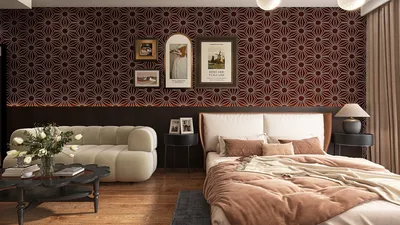
4. Textured Wallpaper
Personal Experience: I once revitalized a standard rental living room using grasscloth wallpaper—the installation process was completed in under an hour yet completely transformed the space.
Advantages: Offers a vast variety of styles; some designs imitate the textures of linen, silk, or stone. Additionally, it is straightforward to replace when changing decor styles.
Drawback: May lack durability compared to more solid finishes; seams can be visible in specific lighting conditions.
5. Brick Accent Wall
Personal Take: In an industrial loft design, revealing a raw red brick wall became the central feature of the living room, perfectly grounding the open layout.
Benefits: Infuses character and a sense of history into the space; pairs wonderfully with metal and leather elements.
Limitation: Natural brick is porous, which may result in dust unless sealed properly.
6. Geometric 3D Panels
Personal Insight: I enjoy installing lightweight 3D wall panels to create dynamic light and shadow effects, particularly in modern environments.
Pros: Instantly adds depth and visual appeal; can be painted to match or contrast with your existing decor.
Cons: Dust accumulation in grooves may require regular light cleaning.
Consider how reflective materials like glass backsplashes can be adapted into your living space inspired by the aesthetic of Homestyler.
7. Fabric Upholstered Panels
Personal Experience: In designing a media room, I incorporated padded velvet panels that not only looked glamorous but improved sound quality as well.
Pros: Softens sound reflections; introduces a luxurious and cozy atmosphere.
Drawback: Fabric needs regular intense cleaning; not the best choice for pets that might scratch.
8. Limewash Finish
Personal Insight: This natural, chalky finish provides a softly aged Mediterranean aesthetic. I’ve often used it in light beige for coastal-style homes.
Pros: Eco-friendly, breathable, and provides subtle tonal variations that appear organic.
Cons: Requires occasional touch-ups; may not be ideal for scuff-prone walls in high-traffic areas.
9. Mixed Material Layers
Personal Experience: By combining stone cladding on the lower half of a wall with painted plaster above, I added sophistication to a client’s living room while ensuring it didn’t feel overloaded.
Pros: Encourages imaginative contrasts; durable in critical areas while remaining softer in others.
Cons: Can feel chaotic if the colors do not harmonize.
Similarly, I applied a like approach to a kitchen using an L-shaped layout to maximize counter space while layering materials effectively.
10. Artistic Mural
Personal Reflection: One of my favorite projects involved painting an abstract mural inspired by my client's travels—it not only became an eye-catching centerpiece but also a conversation starter.
Pros: Represents a highly personalized statement; it’s completely unique to the homeowner.
Cons: Requires artistic skills or budget to hire a muralist; matching it with future furniture changes can be challenging.
Conclusion
In my opinion, a compact living room does not restrict creativity—it merely calls for more thoughtful and purposeful design. According to the American Society of Interior Designers, texture is a key element that significantly affects a space’s mood and comfort. So, which of these wall texture ideas for your living room would you explore first?
FAQ
1. What is the most durable wall texture for a living room?
Brick and concrete finishes are often the most durable options, assuming they are sealed correctly, as noted by the National Association of Home Builders.
2. Can textured wallpaper work in a small living room?
Absolutely, selecting subtle textures and lighter shades helps to prevent overwhelming the space. Grasscloth and linen-textured wallpaper are fantastic choices.
3. Are 3D wall panels expensive?
Prices can vary significantly; while PVC panels tend to be quite affordable, custom MDF or gypsum designs might carry a higher cost.
4. Is limewash safe for indoor use?
Yes, limewash is a natural, eco-friendly finish that breathes well and is safe, making it suitable for interior walls.
5. How do I clean fabric wall panels?
Regular light vacuuming and spot cleaning with mild detergents are recommended; professional cleaning may be necessary occasionally.
6. What’s the easiest wall texture to DIY?
Textured wallpaper is likely the simplest to install, requiring no special tools and minimal mess.
7. Can I mix multiple wall textures in one living room?
Definitely—just ensure that one remains the focal point while the others support the overall design subtly.
8. Will a textured wall make my living room look smaller?
Not necessarily—opt for light-colored textures and avoid overly complex patterns to maintain an airy feel in the room.
Discover your dream home design with Homestyler! This intuitive online platform offers a user-friendly design tool, stunning 3D renderings, and a wealth of inspiring design projects. Plus, with helpful DIY video tutorials, transforming your space has never been easier. Start creating today!