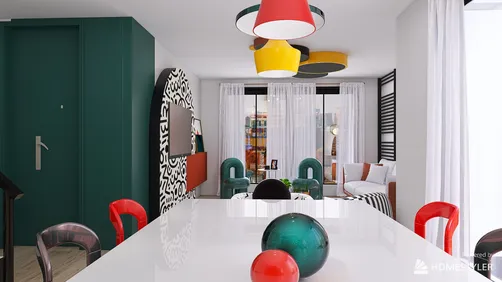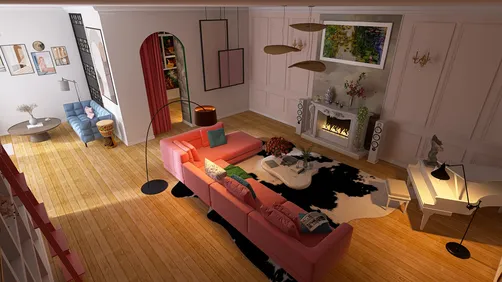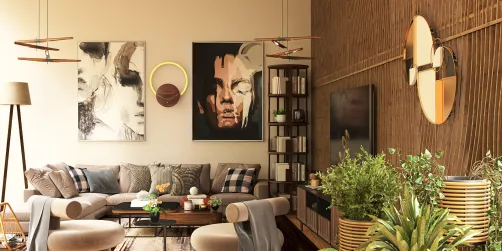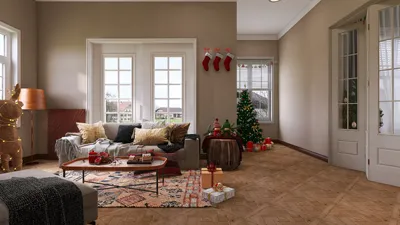
As we look towards the future of living, many current homes grapple with fragmented layouts and storage challenges. Research from AIA and NAHB indicates an increasing trend towards smaller footprints while expectations continue to rise. Amidst this duality, the ground floor design of a 1219 sq ft space serves as my guide for developing efficient routines—acting as a spatial reasoning toolkit where every corridor defines functionality and every nook acts as a mini-server. I can pinpoint the key issues: the chaos at the entrance, bottlenecks in the kitchen, and sightlines that fail to tell a coherent story throughout the day.
Linear Spine Design
Design Principle: An axial spine layout orchestrates the entryway, kitchen, dining area, and living spaces much like a streamlined codebase, enhancing both the efficacy of the 1219 sq ft area and our future needs for clear, navigable spaces.
Flow: The sequence progresses from the front door to a mud vestibule, followed by a galley kitchen, a dining node, a living bay, and finally, a pocket terrace. This design avoids loops, minimizing any delays.
Sightlines: Entering the home reveals a gradual exposure to the kitchen workspace, dining focal point, and then the expansive living area; strategically placed windows function like data ports along the axis.
Storage: Contextual pantry walls flank the space, with a bench-cache at the entry and a slim storage area beneath the stairs; prioritizing items from daily essentials to seasonal storage.
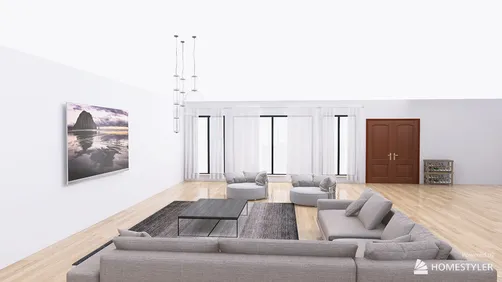
Furniture Placement: A dining table measuring 72–78" is aligned parallel to the spine, and an 84" sofa is positioned to embrace the long view, with counter depths optimized to a tight API of 24"; with pathways maintained at a minimum of 36".
Conclusion: This spine interprets the ground floor plan like a strategic map—offering speed, predictability, and scalability for evolving hybrid work-home lifestyles in the next five years.
save pin
Courtyard-centered Layout
Design Principle: A central patio design serves as a thermal and social core, dividing the 1219 sq ft space into two distinct modules—services and social areas—ensuring abundant daylight and maintained privacy.
Flow: The movement begins at the entrance, leading to a service bar (which includes laundry and powder rooms), and then loops around the courtyard before reaching the kitchen, dining, and living spaces; this structure orbits a tranquil center.
Sightlines: The design facilitates brief transitions through glass openings, starting with a green focal point before transitioning to functional spaces; UI layers shift from nature to utility to relaxation.
Storage: Built-ins lining the perimeter function like a ring buffer: incorporating a tall pantry, window-seat drawers, and courtyard wall cabinets for storing outdoor equipment.
Furniture Placement: A 96" compact sectional delineates the garden view, while a 36" x 72" island becomes the communication hub, supported by stackable chairs to enhance flexibility.
Conclusion: The courtyard layout enhances functionality—bringing in light and air while allowing for moments of pause—ensuring that the ground floor operates as a calm system under daily use.
save pin
L-Shaped Adaptive Layout
Design Principle: The L-shaped design integrates living space around a side yard, dedicating the shorter side to the entryway and kitchen; this time-tested configuration anticipates days that require varied activities and accommodating guests.
Flow: The journey starts at the side entry, progresses to a drop zone, visits the kitchen hub, pivots to the dining area, and finally turns to the living space with ample glazing; decision points are designed to ensure seamless transitions without dead ends.
Sightlines: The corner glazing connects near and far perspectives; this layout transforms the elbow area into a functional dashboard, aligning cooking tasks with arrival cues and outdoor signals.
Storage: A deep corner pantry, stairwell drawers, and niches in the media wall provide efficient storage options, strategically placed to minimize the time needed for retrieval.
Furniture Placement: A 60" round table occupies the elbow of the design, while modular sofa sections (30" units) are laid out along the longer side, ensuring 30" clearances that respect the integrity of the space.
Conclusion: The L-shape provides precision—creating an intimate atmosphere when quiet and expansive during social gatherings, flexibly adapting as family dynamics evolve.
save pin
Final Insights
When considering a ground floor design of 1219 sq ft, the layout's interface becomes more significant than merely its size: flow, sightlines, and storage patterns act like code that shapes everyday life. Configurations such as a linear spine or an L-shaped design showcase how compact areas can effectively balance work, relaxation, and entertaining without any disruption. The most intelligent layouts in a 1219 sq ft environment will not necessarily be larger; instead, they will be cleaner and more thoughtfully designed, as my experiences suggest that the right sequencing keeps homes primed for future needs, aligning seamlessly with tools like Homestyler.


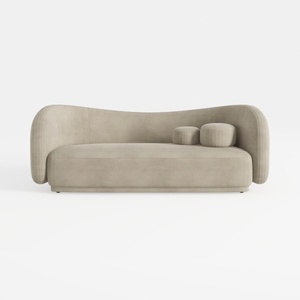
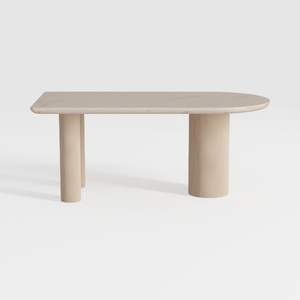
Discover the magic of home design with Homestyler! This intuitive online platform offers a fantastic design tool, stunning 3D renderings, and diverse design projects. Plus, its DIY video tutorials make it easy to unlock your creativity and elevate your space—perfect for every design enthusiast!
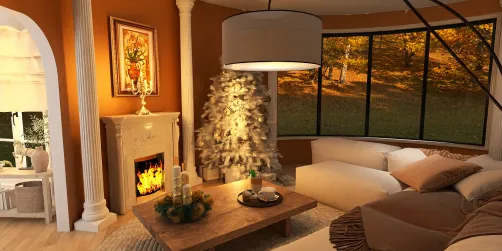





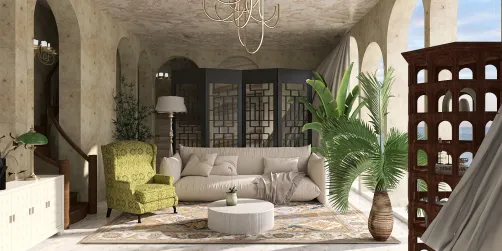














![Design [4]](https://hs-designs.homestyler.com/production/design/images/07c2de3a-88ec-4be8-8910-ff255b795bc2/1731419398293/7841697.jpg?x-oss-process=image/resize,w_502,m_mfit/format,webp)