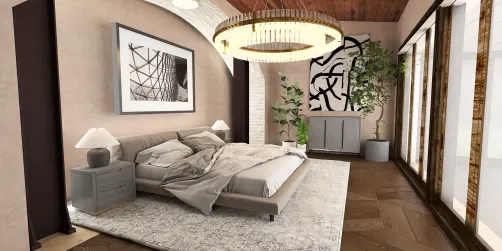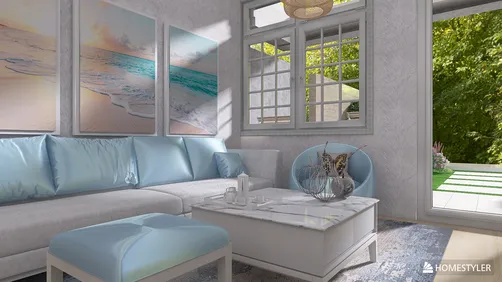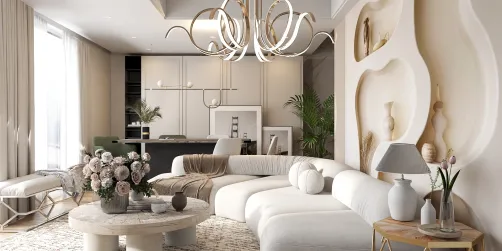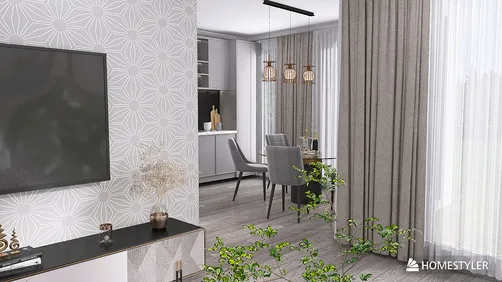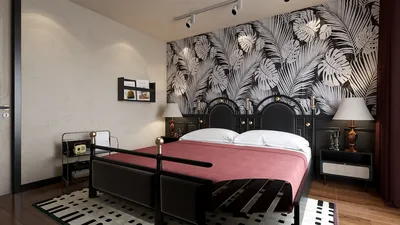
As we move toward the future, households are increasingly transforming into micro-tribes, navigating the challenges of privacy and affordability. According to AIA data, there is a clear trend toward smaller living spaces that still demand high performance, a sentiment echoed by Zillow regarding the needs of multi-generational families. In this context, a ground floor plan featuring two flats becomes a dynamic interface, merging two units and a common area to cater to the evolving rhythms of modern life. I foresee that in the coming decade, innovative layouts that function similar to software will thrive. Incorporating tools like Homestyler can facilitate this design process.
spatial reasoning toolkit
Pair‑Core Mirror Units
Design Logic: Two mirrored apartments share a central utility core, minimizing plumbing runs and future maintenance concerns while establishing acoustic separation.
Flow: The layout sequence includes an entryway, pocket foyer, open living/kitchen area, a brief corridor, bedroom, and bath; this design provides a smooth execution path with minimal detours.
Sightlines: A long sight axis extends from the door to window stacks, with peripheral views acting as secondary interfaces to maintain privacy in specific areas away from the main focus.
Storage: Core-mounted linen storage towers and built-in corridor shelving function as cache layers; each unit is equipped with 12-16 linear feet of adjustable shelving.
Furniture Fit: The design accommodates an 84" sofa zone with a 30" circulation area, a queen bed layout allowing for 24" nightstand spaces, and tables capped at 36" to optimize space.
Verdict: This mirrored configuration is designed to enhance maintenance efficiency and adaptable living over the next five years, striking a balance between symmetry and privacy.
save pin
Offset Courtyard Split
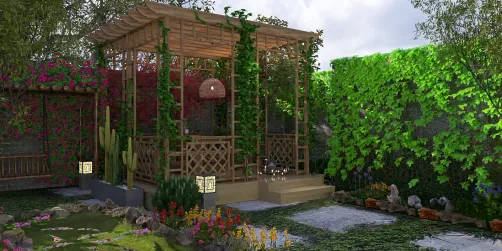
Design Logic: The units are separated around a micro-courtyard, replacing shared walls with abundant natural light and thermal benefits—a key desire in future urban developments.
Flow: The entry includes a gate, shared vestibule, branching entries, living spaces that open to the courtyard, and sleeping areas located at the cooler end; this process resembles parallel threading.
Sightlines: The main focus directs attention to greenery, while secondary views capture glimpses of the sky, ensuring that intimate rooms are situated away from the primary axis for mental tranquility.
Storage: Bench-to-cabinet arrangements surrounding the courtyard work as distributed storage; weatherproof lockers by the vestibule accommodate gig economy deliveries.
Furniture Fit: The edge of the courtyard accommodates 30" deep benches, with living spaces designed for a modular 72" sofa and stackable lounge chairs; beds align along 10' sections.
Verdict: The offset split design is resilient—fostering light, air, and privacy within a micro-neighborhood that adapts to changing family structures.
save pin
Shared Spine, Independent Ends
Design Logic: A unified circulation spine connects both flats, while each end maintains its distinct territory; future co-ownership is enhanced by clearly defined boundaries and shared resources.
Flow: The sequence features a communal porch leading to a spine hall, with each unit diverging to the left or right; this mimics a branching function for predictable outcomes.
Sightlines: The spine design keeps views shallow, revealing only thresholds; living areas are anchored to exterior views, ensuring bedrooms remain private and subdued.
Storage: The spine houses ample closets and bike niches for centralized bulk storage, while individual pantries and under-bed drawers cater to immediate needs.
Furniture Fit: The width of the spine is 42"; dining arrangements are 60" round for social gatherings, while workspace alcoves accommodate 48" desks without obstructing flow.
Verdict: This design model effectively future-proofs maintenance, fosters community, and encourages autonomy—offering two interconnected flats without overlap.
save pin
Final Takeaway
A ground floor 2 flats floor plan can serve as a dynamic framework for multi-household living—compact yet thoughtfully designed. Variants such as dual apartments, split-entry units, and courtyard-linked homes reveal that the future of housing hinges on interfaces rather than mere square footage. Addressing long-term necessities—like multi-generational cohabitation and gig economy logistics—can be more effectively managed through spines, utility cores, and storage layers rather than simply increasing size. I believe the most intuitive homes of the future won’t grow in size but will be far more deliberate in their design—utilizing tools like Homestyler for optimal planning.


Homestyler is the ultimate online home design platform for transforming your ideas into reality. With its user-friendly design tool, stunning 3D renderings, and a wealth of design projects and video tutorials, you can effortlessly create and explore your dream spaces. Perfect for DIY enthusiasts!