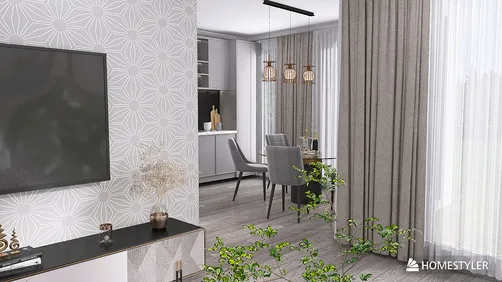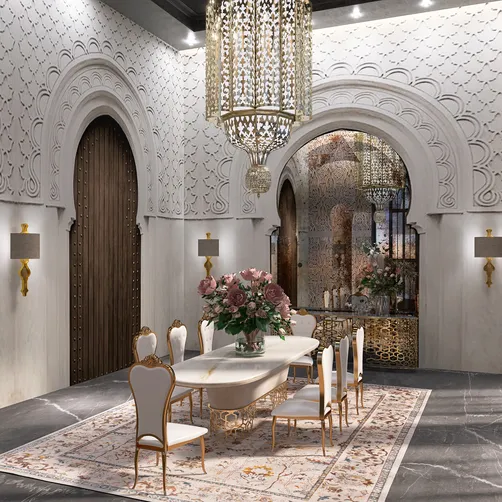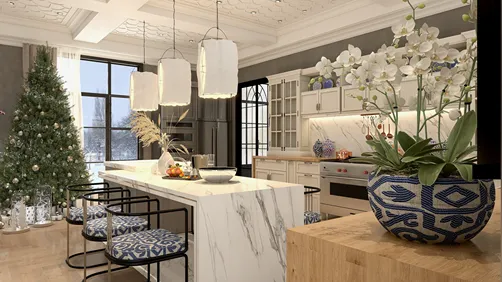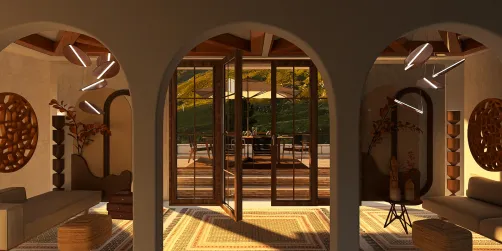
As we move towards the future, today's residences often struggle with issues like broken circulation and concerns over storage. I have found that treating every corner plot as a flexible interface is key to addressing these challenges. Data from the industry consistently supports this, with AIA surveys indicating that connecting outdoor spaces is now a principal focus in remodeling. However, many designs still fail to incorporate light and movement seamlessly like coding. In this 1800 sq ft corner plot, I have created a floor plan that integrates a garden, catering to the needs for versatile workspaces, communal meals, and personal retreats. The toolkit for spatial reasoning becomes the essential support structure.
Garden-Integrated L-Plan Core
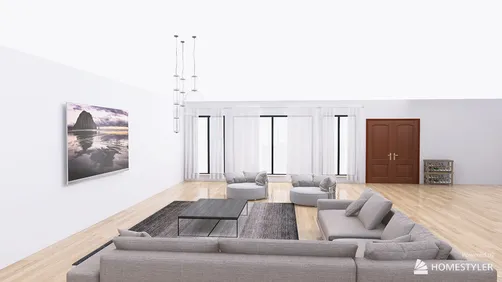
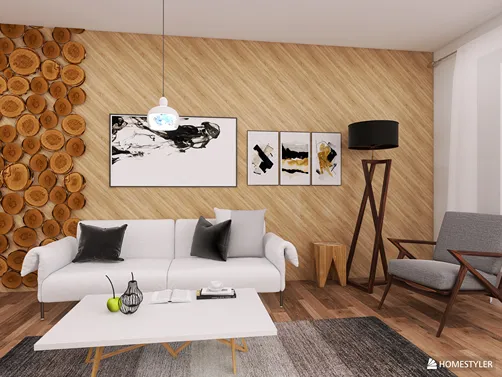
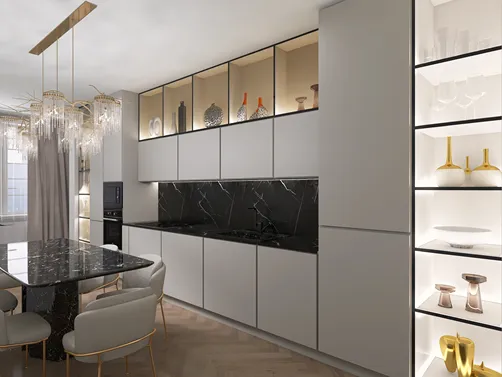
Design Rationale: The L-shaped core embraces the garden, providing a climate-responsive focal point in the living and kitchen area—future routines demand ample daylight as a resource.
Flow: The path leads from entry → mudroom buffer → kitchen hub → living area → terrace; this programmatic sequence manages guests and groceries seamlessly, avoiding any collisions.
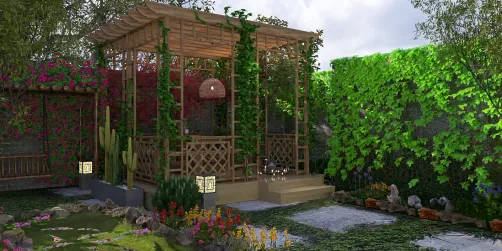
Sightlines: Diagonal perspectives extend from the front corner to the green courtyard, layering privacy akin to UI panels while the garden serves as the home's status indicator.
Storage: A perimeter pantry combined with bench drawers provides a quick-access storage solution; tall closets positioned at strategic corners accommodate seasonal items and gadgets.
Furniture Configuration: Paths measuring 36 inches; a sofa size of 9–10 ft, dining table set at 30x72, and an island acting as the command node—optimized to ensure smooth movement.
Conclusion: This core design is poised for longevity: five years later, cooking, conversations, and tranquil evenings will continue to gravitate towards the same green sanctuary without friction.
save pin
Split-Wing Bedrooms Featuring Courtyard Buffer
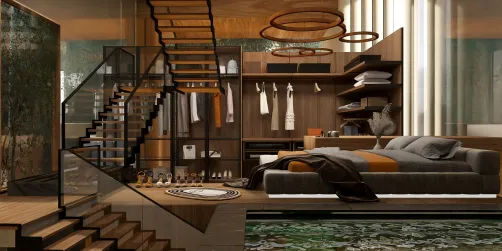
Design Rationale: The primary suite is positioned in one wing while secondary rooms counterbalance around a small courtyard—future family lifestyles require adaptable tranquility.
Flow: The hallway operates as a lightweight conduit: bedroom wing → bathroom core → laundry → courtyard; children and guests can navigate independently of the primary area.
Sightlines: Low windows showcase the foliage; transoms allow light to filter in like notifications—prioritizing privacy first, then nature, while the street remains as a background element.
Storage: Wardrobes integrated into the walls and under-bed space provide excellent storage; a linen tower located near bathrooms reduces time spent on daily tasks.
Furniture Configuration: Queen-size bed in the secondary room and king-size in the primary; nightstands ranging from 24–30 inches; desks placed at 48 inches facilitate hybrid work without causing visual clutter.
Conclusion: The split design ensures that sleep, study, and play zones remain distinct; even after five years, multi-generational living will continue to feel cohesive.
save pin
Corner Entry, Flexible Studio, and Garden Loop
Design Rationale: A chamfered corner entry enhances the arrival experience and opens up a flexible studio to the garden—future remote work scenarios require fluid boundaries.
Flow: The route from street → vestibule → studio or living space; the loop returns via the terrace—movements compile into cycles bridging indoor and outdoor areas.
Sightlines: The studio captures greenery through a glazed section; the loop operates like a streamlined timeline with minimal interruptions.
Storage: A built-in desk wall paired with a vertical storage solution; a shed outdoors aligns with the terrace for efficient task organization.
Furniture Configuration: Studio size at 10x12, featuring a sit/stand desk and two chairs; terrace modules at 8x10; grill station kept outside to maintain airflow efficiency.
Conclusion: The arrangements allow for work, fitness, and weekend activities to find their rhythm; the garden loop minimizes mental clutter as life expands.
save pin
Final Thoughts
Designing a floor plan with a garden on an 1800 sq ft corner plot emphasizes not just the space itself but rather the synergy of flows that seamlessly integrate daylight, storage, and privacy. Terms like “corner-lot configuration” and “garden-centric design” point to a common realization: the outdoor elements are becoming the operational hubs of modern living. The long-term requirements—like “flexible studios oriented towards the garden” and “L-shaped living space”—translate into sustainable lifestyle choices. From my perspective, the most intelligent residences in the future will not be those that are larger, but those that are more thoughtfully designed, such as through tools like Homestyler.


Homestyler is the ideal platform for anyone looking to explore home design. With its user-friendly online design tool, impressive 3D renderings, and a wealth of design projects and video tutorials, you can easily create and visualize your dream space—making home design fun and accessible for everyone!