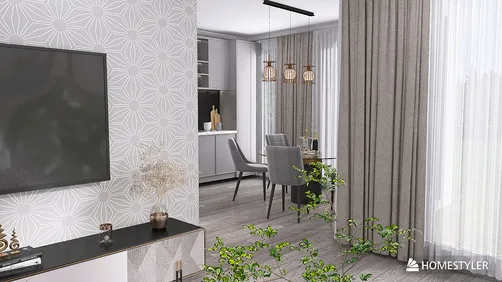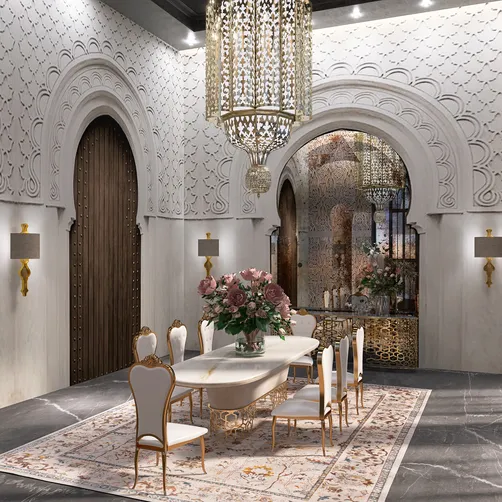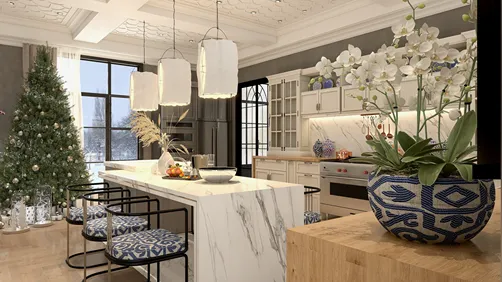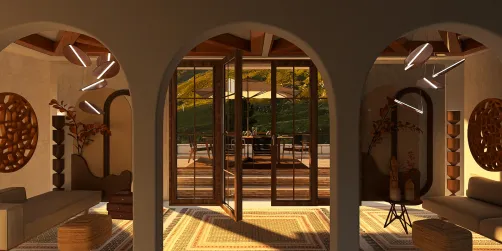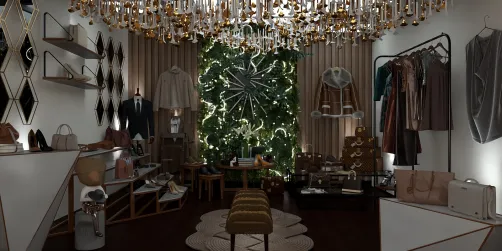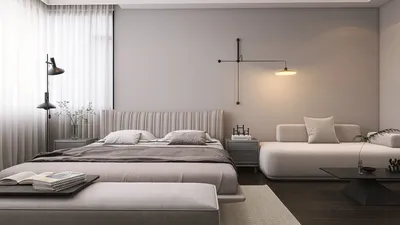
The future of living is increasingly focused on addressing our current challenges such as noise, disorganized routines, and cluttered spaces. I conceptualize a G+3 building as a layered operating system standing ready for these changes. Recent reports from AIA indicate that there is a growing preference among homeowners for adaptable multi-level designs, while trends observed on Zillow reveal that hybrid workspaces are becoming the norm. The G+3 architectural floor plan serves as a foundational blueprint for a lifestyle that is on the brink of realization through tools like Homestyler, enhancing spatial awareness.
Garden Level Studio + Shared Utility
Design Logic: The ground floor serves as the stabilizer for the overall structure—featuring a studio guest suite alongside shared utility spaces. This reflects a future trend where multi-generational living and transient accommodations become more common.
Flow: The sequence unfolds from the entry through a mudroom buffer to the studio, followed by the bath and utility areas; this structured pathway minimizes dirt, manages deliveries, and facilitates quick exits.
Sightlines: The design includes low, framed windows that direct views to the garden, with vertical elements like stairs serving as essential user interface components that guide ascending movements.
Storage: The design incorporates wall-mounted racks and ample under-stair storage specifically for items like bicycles and seasonal equipment, optimizing space utilization.
Furniture Fit: The layout accommodates a compact sofa bed, a 30-inch table, and a shallow wardrobe—specially designed to maintain circulation efficiency.
Verdict: This foundational layer adapts to various changes in life; I believe it has the potential to reduce noise upstairs and to easily transition for guests and caregivers.
save pin
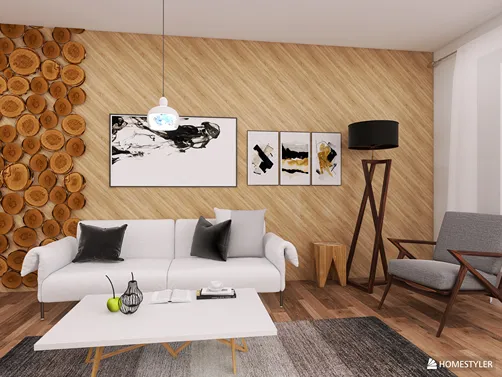
First Floor: Family Core + Open Kitchen
Design Logic: This key social area is developed as a processing hub—a place to cook, dine, and converse—where the demands of future hybrid lifestyles converge harmoniously.
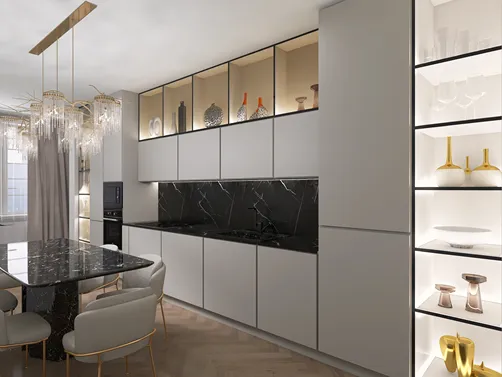
Flow: Transitions start at the stairs, leading to a galley kitchen, then a dining area, followed by the living room and balcony; this arrangement allows for linear movement with occasional graceful interruptions.
Sightlines: The kitchen seamlessly flows into the dining and living spaces visually; a cross-view to the balcony enhances the overall user experience, providing depth and tranquility.
Storage: The pantry walls, banquette drawers, and media storage are designed for quick access and deep organization, arranged as if in a multi-tiered memory system.
Furniture Fit: With dimensions for an 84-inch sofa, a 36x72 dining table, and counter stools, this design accommodates clear pathways of 36 inches, avoiding congestion at corners.
Verdict: As routines compress, this design minimizes delays and is expected to remain resilient for five years through adaptable seating and quiet areas.
save pin
Second Floor: Two Bedrooms + Shared Bath
Design Logic: This personal space divides into synchronized sleeping areas, anticipating shifts in family dynamics and flexible rest schedules.
Flow: The layout begins at the stair landing, moves through a hallway buffer into the bedrooms, and concludes at the shared bath; this design preserves sleep patterns.
Sightlines: Diagonal door arrangements avoid exposing beds directly; the emphasis on daylight and privacy enhances comfort.
Storage: Walk-in closets are equipped with vertical dividers and a hall linen closet for organized, easily retrievable items, akin to an indexed archive.
Furniture Fit: Each room accommodates a queen-sized bed (60x80), 24-inch nightstands, and slim desks; dimensions ensure functional door swings and maintain circulation integrity.
Verdict: This level supports restful nights and productive study time, offering predictable comfort with minimal disruptions and clear pathways for upgrades.
save pin
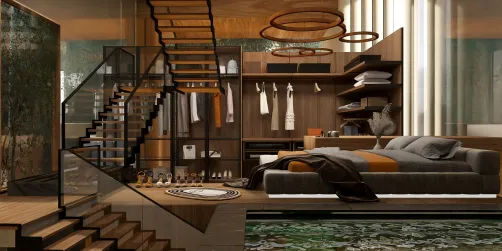
Third Floor: Primary Suite + Work Loft
Design Logic: The top level acts as a dedicated workspace—offering tranquility and focus, where intense work and relaxation can balance seamlessly.
Flow: The descent from the stairs leads to a small vestibule before entering the suite, then the bath, and finally the loft terrace; a modular layout allowing for various focus zones.
Sightlines: An extended axial view to the terrace captures natural light; strategic interior features soften screen interactions, enhancing the user experience.
Storage: A wall-to-wall wardrobe with organized drawer spaces and hidden tech storage ensures a tidy environment that supports mental clarity.
Furniture Fit: The suite features a king bed, 28-inch side tables, and a 60-inch desk; precise measurements ensure ample walking space and noise reduction between areas.
Verdict: With the shift toward remote work, this area fosters clarity and calm, anticipating a consistent, focused atmosphere in the long run.
save pin
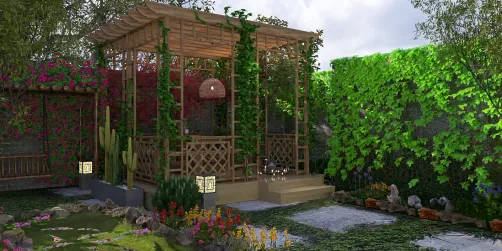
Roof: Utility + Solar Deck
Design Logic: Access to energy and the sky functions like system upgrades, featuring solar energy, natural light, and air circulation, collectively future-proofing the entire structure.
Flow: From the loft to the hatch and onto the deck, the short but effective route offers rewarding views and facilitates easy maintenance.
Sightlines: The deck’s parapets frame the skyline, providing a visual escape that helps reset cognitive fatigue after busy days.
Storage: Space-efficient service lockers are included, with well-labeled storage for tools and seasonal accessories.
Furniture Fit: Lightweight, foldable loungers and narrow planters are chosen deliberately to withstand winds and allow for service access.
Verdict: The roof finalizes the cycle of energy flow—bringing in power and relieving stress; I envision a sustainable rhythm for the future emanating from this space.
save pin
Final Takeaway
The G+3 building floor plan acts as a structured framework where daily life is efficiently orchestrated across levels. Variations like multi-level residences and stacked unit configurations respond adeptly to the needs of hybrid work and caregiving routines without necessitating a larger footprint. Based on my observations, the most intelligent homes of tomorrow will not expand in size but will become more deliberate and tailored; I consistently witness how precise circulation and storage strategies, possibly assisted by tools like Homestyler, can subtly transform our living experiences.


Homestyler is your go-to online platform for home design! With its user-friendly design tool, stunning 3D renderings, and plethora of DIY video tutorials, you can easily create beautiful spaces. Whether you're a novice or an expert, Homestyler makes home design fun and accessible!