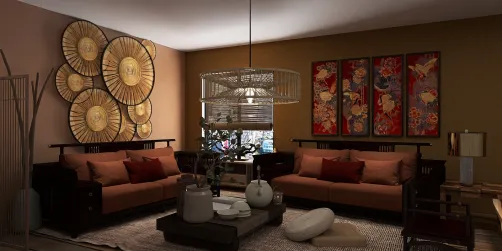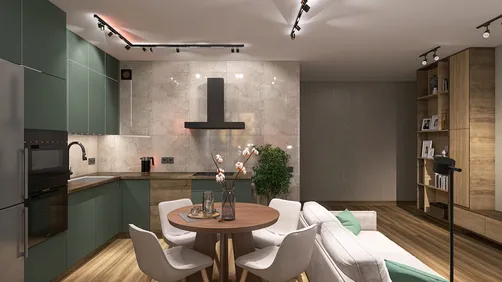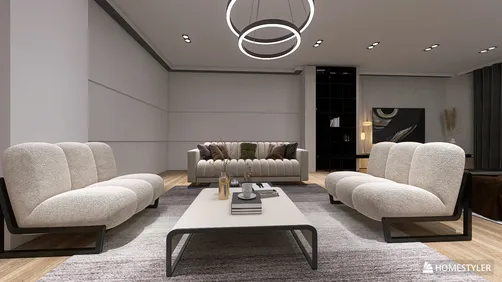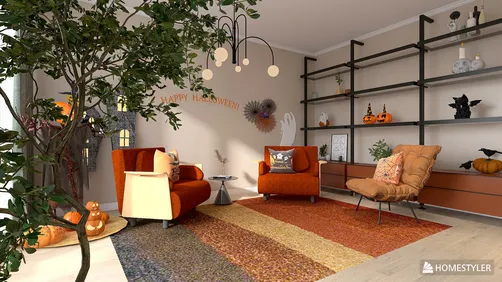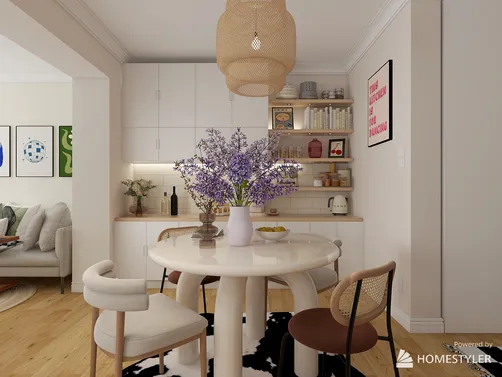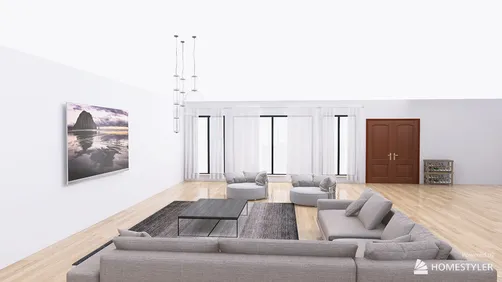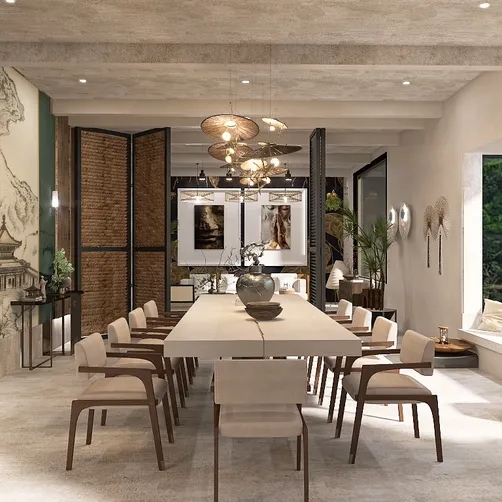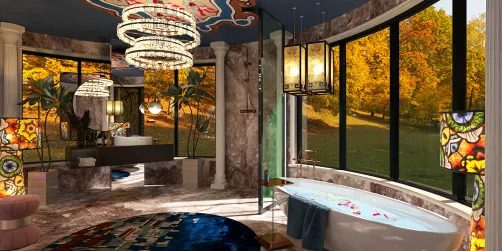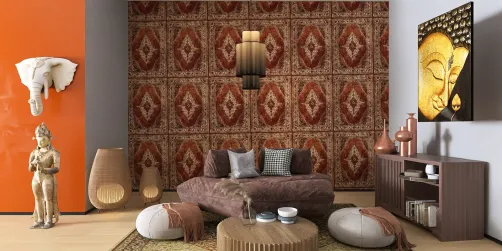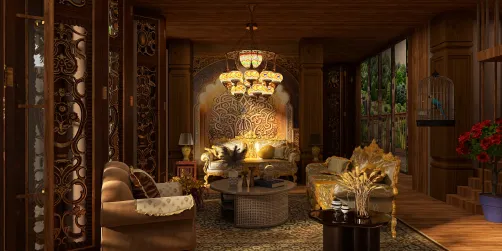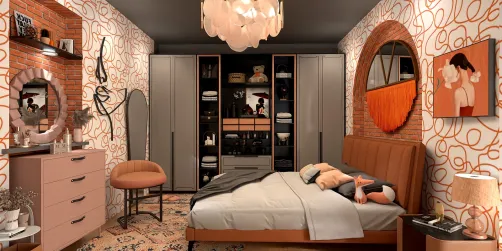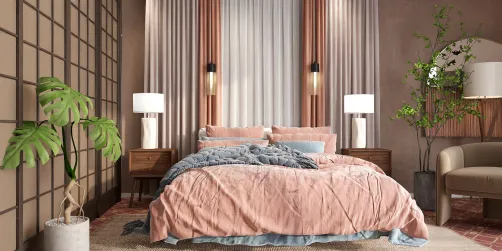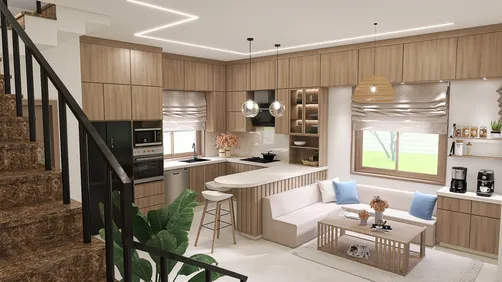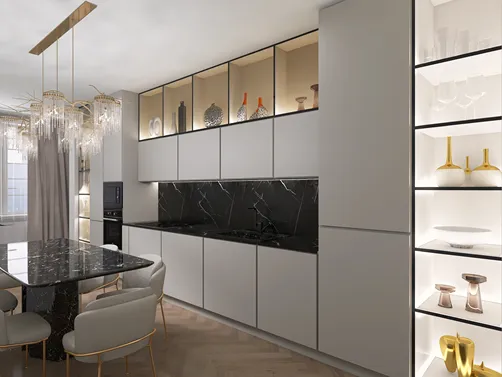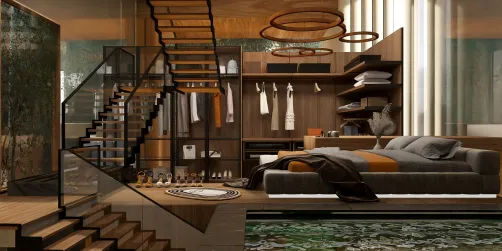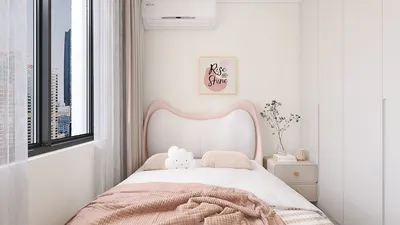
As we look to the future, living environments are transforming by condensing the demands of multi-generational lifestyles, hybrid work, and relaxation into efficient spaces. Today’s double-wide homes are grappling with issues such as privacy, inadequate storage, and disruptive traffic. To navigate this challenge, a comprehensive spatial reasoning toolkit becomes vital as I reinterpret three-bedroom double-wide floor plans with renewed clarity. Recent surveys by the AIA indicate that clients are prioritizing flexibility and acoustic control just as much as the actual square footage; thus, these three-bedroom double-wide layouts function as a cohesive system that supports daily transitions smoothly.
Offset Core + Split Retreat
Design Logic: Position the kitchen-living area at the center while setting the primary suite to one side and a pair of secondary bedrooms to the opposite. This layout reflects future family dynamics while fostering balanced independence.
Flow: From the entry → drop zone → kitchen hub → living area → left path to the primary retreat and right path to the children’s or guest cluster, the layout shows a clear sequence with minimal overlap.
Sightlines: Starting from the entryway, the design offers a gradual reveal: from island to hearth and framed window; the bedrooms are intentionally positioned off-axis, ensuring a serene and communal focal point.
Storage: The pantry serves as the primary storage unit, while hallway linen cabinets act as a mid-level buffer. Additionally, under-bed drawers provide localized storage; this setup allows for asynchronous clutter without obstructing traffic flow.
Furniture Fit: Accommodates a 9–10 ft sofa, a circulation lane of 36 inches, and a queen bed in the primary room with 30-inch side clearances, creating strict dimensions that align with family needs.
Verdict: This split design is built to last, offering peaceful mornings, organized homework spaces, and a functional environment for remote work over the next five years without spatial chaos.
save pin
Flex Suite + Pocket Office Rail
Design Logic: Transform one bedroom into a flex suite equipped with sliding panels and a pocket office rail; modern households favor versatile spaces over rigid configurations.
Flow: From the front entry → living space → flex suite slide → pocket desk → loop back to the shared bath; the arrangement allows for seamless transitions, akin to real-time module swapping.
Sightlines: When the panel is closed, it acts as a soft wall; when open, it extends visual space, allowing the eye to absorb layered information instead of visual clutter.
Storage: Integrating a full-height wall system in the flex room, shallow cabinets on the office rail, and a bath tower creates a scalable storage hierarchy from immediate access to deeper archives.
Furniture Fit: Features a modular loveseat and nesting tables, a murphy queen bed with 12-inch clearance, and a 24-inch desk depth; the furniture options harmonize for both work and guest environments.
Verdict: This design is future-ready, allowing rooms to shift between productivity and hospitality effortlessly, maintaining functionality even during busy periods.
save pin
Linear Spine + Quiet Back Edge
Design Logic: Establish a linear living-kitchen spine with bedrooms at the quieter rear; this respects sound gradients and aligns well with circadian rhythms in mobile home formats.
Flow: Entry → coat storage → kitchen spine → dining area → rear corridor → three doors; this well-defined sequence prevents confusion.
Sightlines: The long axis provides continuity of view—from window to window—while bedroom doors are recessed, allowing for a subtle, low-contrast approach to private areas.
Storage: Includes toe-kick drawers, bench cubicles, and closets in the rear corridor; this layered cache system minimizes conflicts between everyday items, linens, and pantry supplies.
Furniture Fit: A 72-inch dining table, 42-inch island clearance, and twin beds with 30-inch pathways in secondary rooms ensure each space adheres to physical constraints.
Verdict: The linear spine optimizes daily activity; five years later, clients report quieter nights and more organized mornings, effectively creating a system in tune with their natural rhythms.
save pin
Final Takeaway
Three-bedroom double-wide floor plans represent more than just physical rooms; they embody a framework for family dynamics, privacy, and shared experiences. With designs such as split wings and flexible suites, the layout serves as a responsive system that adapts to multi-functional days and hybrid work environments. Through my experiences, it’s clear that the homes of the future won’t necessarily be larger; they will simply be more purposefully designed. What I consistently observe in my projects is that even small spatial choices can significantly influence how people live, which is where tools like Homestyler come into play, simplifying the design process and enhancing spatial considerations.

Looking to transform your home? Homestyler is your go-to online design platform! With its user-friendly design tool, stunning 3D renderings, inspiring design projects, and helpful video tutorials, you can easily create and visualize your dream spaces—perfect for any DIY enthusiast!