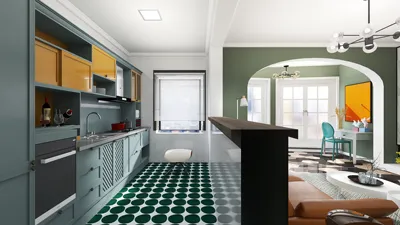


I create dining room designs that are not only visually appealing but also highly functional. Cabinets serve multiple purposes—they facilitate movement, conceal clutter, enhance acoustics, and establish the overall atmosphere for dining experiences. When executed effectively, they seamlessly integrate proportion, lighting, and materials to form a serene backdrop for conversations. In this piece, I will explore cabinet designs that are visually stunning and practical, ranging from expansive buffets to elegantly shaped display towers, all supported by data and practical planning insights. Additionally, utilizing tools like Homestyler can greatly assist in visualizing these concepts.
Effective storage plays a crucial role in influencing behavior and reducing stress levels. According to research by Steelcase, organized settings diminish cognitive burden and enhance focus during social interactions; within dining spaces, this leads to improved service and reduced interruptions. The WELL v2 framework emphasizes the significance of visual comfort and glare management—glass-front cabinets paired with under-cabinet illumination require appropriate brightness ratios to prevent eye strain at the dining table. Making informed decisions based on solid data ensures that each cabinet choice is purposeful and centered around user experience.
The standards for lighting are vital in the dining area. The Illuminating Engineering Society (IES) suggests maintaining around 100-300 lux for ambient dining lighting, with focused task lighting near serving areas. I typically select a color temperature between 2700-3000K for under-cabinet lights to enhance the appeal of food, while incorporating dimmable features to allow for mood adjustments. For visual proportion, a sideboard that occupies 60-70% of the wall helps stabilize the room's aesthetic, and door swing clearances of 30-36 inches allow for smooth circulation, especially in dining situations.
Sophisticated Wall-to-Wall Buffet
In dining spaces with ample length, I prefer designing a wall-to-wall buffet that stands at a height of 34-36 inches—just above the table height. This arrangement creates a serving ledge and maintains a consistent sightline. Shallow upper cabinets (10-12 inches deep) paired with reeded glass reduce the bulkiness, while base units accommodate platters, linens, and small appliances. I often use matte lacquer or oiled oak fronts to soften reflections and incorporate a recessed lighting trough for an even wall illumination. This style photographs beautifully and reduces visual distractions. For layout planning, tools like Homestyler can be invaluable in testing chair clearances and serving paths.
Varied Depth China Cabinet with Display Flow
A cabinet with mixed depths generates visual rhythm. I alternate 8-10 inch display boxes with 15-18 inch storage bases, interspersing closed doors and open niches to create a gallery-like feel without clutter. Floating shelves with concealed supports keep the overall look light; I aim for spacing of 14-16 inches between shelves for standard glassware and dish storage. LED strips set at 2700K, positioned slightly forward and diffused with opal lenses, help avoid harsh lighting spots on the glassware.
Contemporary Sideboard with Built-In Charging Ports
For smaller dining areas, a 60-72 inch sideboard effectively handles clutter. I incorporate a concealed power strip and a wireless charging pad below the top panel, making it convenient for hosts managing digital devices while entertaining. Drawer interiors feature full-extension slides and a 1/8 inch felt lining to protect cutlery. Tall drawers (10-12 inches deep) are perfect for storing placemats, while shallow drawers (3-4 inches) are ideal for organizing bar tools. A ceramic top provides a heat-resistant surface for serving dishes and is easy to clean.
Tall Pantry Towers Beside a Credenza
Incorporating pantry towers that stand between 84-90 inches in height, positioned alongside a central credenza, frames the dining space and maximizes vertical storage. I maintain a depth of 18-21 inches for these towers to prevent the unfavorable 'black hole' effect; pull-out trays at 60-75% extension ensure easy visibility of contents. Glass or mesh panels can lighten the visual impact while allowing airflow for stored wines. Utilizing acoustic panels or fabric-backed doors can also help mitigate noise—especially beneficial in hard-surface dining environments.
Glass-Front Cabinets with Glare Reduction
Glass-front cabinetry can add elegance without introducing glare when lighting is properly managed. I position light strips on the cabinet sides, angled inward, while routing a small valance to prevent LEDs from being directly in sightlines of diners. A warm white light setting (2700K) enhances the inviting nature of food; a CRI above 90 ensures that colors are represented accurately. I prefer low-iron glass for clarity in display, and laminated glass near circulation areas for safety. Soft-close hinges also minimize noise and vibration, particularly valuable for glassware.
Integrated Bar Niche with Tactile Elements
Incorporating a bar niche within dining cabinetry simplifies hosting duties. I recommend a counter height of 42-44 inches for ample mixing space, a mirror or antiqued glass backsplash for enhanced depth, and fluted wood or ribbed metal fronts for a tactile experience. Under-mounted sinks with narrow basins are ideal for rinsing small items. To reduce noise, cork or linoleum can be used for drawer bottoms. Maintaining lighting at 200-250 lux creates a lounge-like ambiance while ensuring that labels remain easy to read.
The Impact of Color: Warm Woods and Subtle Blues
Color effectively influences both appetite and mood. Research from Verywell Mind indicates that warm tones can boost social energy, while cooler shades create a calming atmosphere. In my dining cabinetry designs, I often opt for walnut or smoked oak complemented by soft blue-gray tones; this palette nurtures an appetizing, grounded ambiance without being overpowering. Accents in brass add warmth, while blackened steel provides a touch of clarity. For spaces requiring lightness, pale ash or soft greige can balance brightness while promoting photogenic qualities.
Usability and Ergonomics
The functionality of cabinets relies heavily on access zones: items that are used regularly should be placed between 20-50 inches above the floor for ease of reach. Door handles with a grasp length of 5-7 inches and rounded edges can minimize strain. I steer clear of shelves deeper than 16 inches for dish storage, as visibility decreases and stacking issues arise beyond that point. In tighter spaces, pocket doors or vertical tambours can prevent collisions; if hinges are needed, I recommend choosing ones that open between 110-155° to allow clearance for chair backs.
Visual Harmony: Proportions and Rhythm
A well-composed cabinet design adheres to a rhythmic proportion of 2:1 or 3:2 between closed and display storage. I establish vertical lines through the use of pilasters or fluted edges to guide the eyes, ensuring 3-5 inch shadow gaps at the top and bottom to create a sense of floating. Handles should be arranged in horizontal lines to soothe a busy wall; handle-free push latches can be effective if the lighting is appropriate (handles provide useful reflections in low-light settings). When photographing cabinets, a continuous grain on the doors enhances the perception of a unified sculptural element.
Sustainable Material Choices
Selecting long-lasting finishes that maintain their beauty over time is essential. Engineered wood with low-emission cores promotes healthier air quality, while solid wood edges protect high-traffic areas. Durable ceramic or sintered stone surfaces withstand heat and wear. Linoleum or cork make sustainable choices that remain comfortable under glass items. For a vibrant accent, consider using recycled metal drawer fronts with a patina finish—ensure they have a fingerprint-resistant matte coating.
Innovative Storage Solutions
Small enhancements can significantly improve everyday ease of use: tray dividers, vertical slots for platters, dedicated stemware racks beneath shelves, and full-height pull-outs for pitchers. A narrow 6-8 inch pull-out for spices and condiments near a bar area helps keep tables clear. Using label rails or discreet interior engravings allows guests to locate items with ease, decreasing the need to open every drawer or door.
Design Strategies for Varying Room Sizes
In compact dining rooms (around 8x10 feet), a low, elongated sideboard keeps sightlines unobstructed; position it along the longer wall and use sliding doors for access. In medium-sized rooms (10x12 to 12x14 feet), balance a central buffet with symmetrical towers to ground the table. For larger spaces, dual-sided constructions work best: a dining buffet and a pass-through cabinet leading to the kitchen. Tools like the Homestyler app are useful for simulating chair shifts and door swings before finalizing your design.
Lighting Techniques that Enhance Photography
For cabinets to photograph beautifully, it’s essential to rely on layered lighting: ambient fixtures over the dining table, wall washes above the buffet, and soft internal lights for displays. Ensure vertical illumination on cabinet faces is around 50-150 lux higher than the ambient level to enhance texture without creating harsh shadows. Dimming to 20-30% post-service helps prevent glare on glass fronts.
Creating Acoustic Comfort in Hard-Surface Dining Areas
Cabinetry can be designed to reduce noise levels. Perforated panels with backing, fabric-wrapped cork, or micro-slat facings can absorb mid-frequency sounds. Using felt pads under plates and silicone dots beneath decanters can make a noticeable difference. For particularly lively rooms, fitting the cabinet base with an acoustic liner can help diminish sound reverberation.
Displaying Without Clutter
Maintain simple guidelines for display items: one large piece, one medium stack, and one slender vertical object, arranged in thirds across the surface. Utilizing books or cookbooks with fabric covers introduces warmth; it’s wise to limit reflective items near direct light to prevent overwhelming sparkle. Altering displayed items according to the season keeps the cabinet looking fresh yet still purposeful.
Reference by Authorities
I reference the WELL v2 Light framework for reducing glare and enhancing user control, as well as the IES recommendations for optimal dining illumination levels. These references help align cabinet lighting and layout decisions for optimal comfort: WELL v2 guidelines and IES standards are essential resources.
Frequently Asked Questions
For optimal dishware storage, maintain heights of 14-16 inches to ensure visibility and ease of accessibility. Depths exceeding 18 inches can pose risks of stacking accidents and misplacing items. Pantry towers can be 18-21 inches deep if utilizing pull-out features for better organization.
Aim for an ambient lighting level of 100-300 lux in dining spaces, about 150-200 lux within display cabinets. A warm color temperature range (2700-3000K) is recommended to enhance the visual appeal of both food and skin tones as per IES guidelines.
Glass front cabinets are excellent for showcasing curated items and infusing small rooms with visual depth. Solid doors, in contrast, are more suitable for heavier storage needs with minimal upkeep. A combination of both can effectively balance aesthetics and functionality.
Long linear pulls with a 5-7 inch grasp length and rounded features can minimize strain during use. If you prefer handle-less cabinets, ensure there's adequate lighting and opt for high-quality push latches for reliable access.
LED lights should be installed out of direct sightlines, utilizing diffusing materials, and warm white light is recommended. Shallow valances or side-mounted light strips help lessen harsh reflections on glass displays.
Ceramic and sintered stone surfaces are remarkably durable against heat, stains, and etching. While oiled wood presents a stunning look, it requires regular maintenance; using trivets during serving can help protect this material.
Set cabinetry heights between 34-36 inches for a fitting serving surface aligned with table sightlines. Counter heights of 42-44 inches are ideal for bar niches to facilitate easy mixing and serving.
Maintain proper clearances of 30-36 inches for door swings and service paths. Consider incorporating sliding or pocket doors when space is limited; verify designs with a layout simulation tool before construction begins.
Indeed, incorporating materials like fabric-backed panels, cork liners, and felted shelving can absorb clinking sounds, creating a more serene atmosphere, particularly in hard-surfaced dining spaces.
Warm wood tones coupled with muted blues or greys can foster appetite and tranquility. Aim for warm metallic accents for inviting hues; high-contrast black features can also work, provided the lighting is appropriate.


Discover the ease of home design with Homestyler! This user-friendly platform offers a powerful online design tool, stunning 3D renderings, a wealth of design projects, and inspiring DIY video tutorials. Transform your ideas into reality effortlessly—perfect for both beginners and seasoned designers!
Дизайн сейчас бесплатно
































