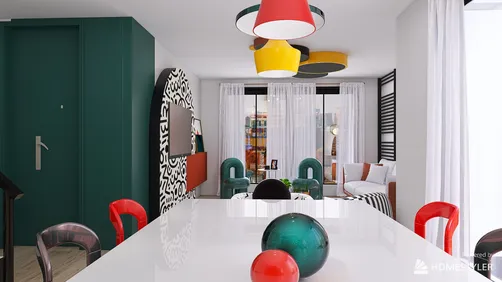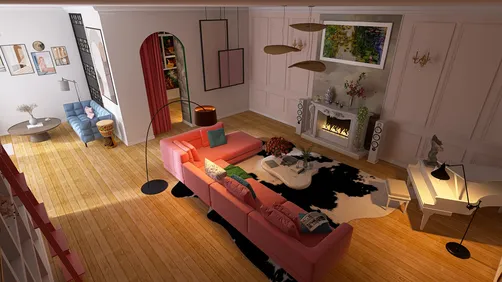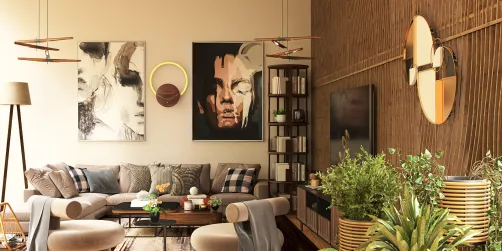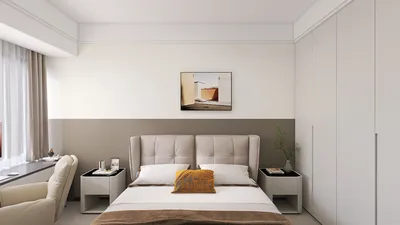
The future of living elegantly combines personal comfort with communal efficiency, yet today's PGs highlight a common issue: the clash of busy routines within limited living spaces. The AIA indicates a strong demand for versatile, multi-functional residential designs that maximize utility without requiring more square footage. A floor plan based on just 100 square yards emerges as the first blueprint for this innovative shared lifestyle. It appears that a new era is approaching, and I can envision its possibilities through tools like Homestyler that enhance spatial reasoning.
Clustered Pods + Central Spine
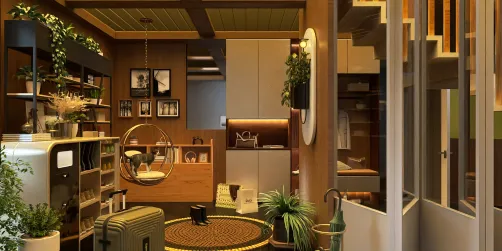
Design Logic: Individual sleeping pods encircle a central corridor, offering each resident a distinctive micro-space while the spine supports circulation and natural light. This setup allows the PG to adapt to varying occupancy levels, creating a staggered privacy system akin to layered permissions.
Flow: The route from entry to pod involves a shoe and gear storage area, a hallway, shared bath facilities, a pantry, and a lounge; this sequential layout averts congestion during peak usage times.
Sightlines: Clear, purposeful views extend from the entry to the lounge; the use of opaque pod fronts minimizes visual distractions, while clerestory windows along the spine ensure ongoing ambient awareness.
Storage: Features such as under-bed drawers, shelves mounted above doors, and a corridor wall lined with lockers function as varied storage solutions; labeled compartments help to speed up access.
Furniture Fit: The pods are designed to fit mattresses measuring between 36" and 39", featuring fold-down desks and vertical storage racks; lounge furniture maintains a slim profile to allow for smooth movement throughout the area.
Verdict: This architectural design supports shared living, projecting a stable system that can handle resident turnover for the next five years without disruptions.
save pin
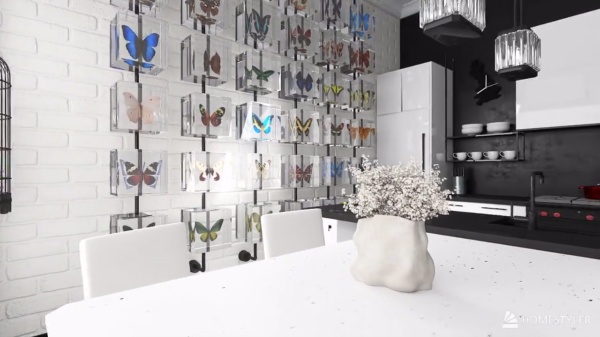
Hybrid Lounge + Micro Galley
Design Logic: This lounge transforms into a multifunctional hub—serving as a space for dining, studying, or unwinding—while the galley optimizes meal preparation into a streamlined, organized format.
Flow: The pathway progresses from the pantry to the prep area, cooking zone, dishwashing section, and communal table; this design allows residents to navigate smoothly without overlapping traffic.
Sightlines: A horizontal view from the dining area to the entrance keeps residents in visual contact; reflective surfaces enhance the light and create an impression of greater width.
Storage: Tall pantry units, rail-mounted bins, and a collective dry-goods cupboard organize shared supplies, setting clear limits for each resident.
Furniture Fit: The setup includes a 24" deep counter, stackable stools, and a foldable 60" table to accommodate different numbers of residents, while soft seating on risers maintains clear pathways.
Verdict: This well-structured food and focus zone minimizes disorder, aligning daily routines much like a well-executed instruction manual.
save pin
Wet Core + Service Stack
Design Logic: Combining bathrooms and utility functions into a single service core optimizes plumbing and makes maintenance more straightforward; the PG structure thus enjoys predictable schedules and effective sanitation cycles.
Flow: The sequence moves from the corridor to the waiting area, restrooms, shower stalls, and laundry space; staggered entrances permit multiple processes to occur simultaneously during busy times.
Sightlines: Frosted glass panels ensure privacy; availability indicators function like user interface cues, allowing residents to quickly check what’s available.
Storage: Towel racks, cleaning carts, and a supply shelf act as dynamic storage solutions; FIFO (First In, First Out) labeling ensures the system remains efficient.
Furniture Fit: Shower spaces range from 32" to 36", with wall-mounted sinks and compact washing machines optimizing space utilization; hooks and rails serve as additional support for personal items.
Verdict: By integrating service areas, this layout anticipates future maintenance needs and maintains efficiency during peak periods without requiring more space.
save pin
Final Takeaway
A 100 square yard floor plan for PGs functions as a compact but effective operating system where circulation patterns, storage solutions, and shared activities are meticulously organized. Variations such as communal dormitories and micro-hostels demonstrate that even small spaces can facilitate significant daily routines without sacrificing residents' dignity. Based on my experience, I believe that the most innovative communal living setups of the future won’t necessarily be larger in size, but rather more purpose-driven—and with tools like Homestyler, we can achieve a design that embodies this philosophy.


Discover Homestyler, the ultimate online home design platform! With its user-friendly design tool, stunning 3D renderings, and a treasure trove of design projects and video tutorials, bringing your dream spaces to life has never been easier. Start designing today and unleash your creativity!





















![Design [4]](https://hs-designs.homestyler.com/production/design/images/07c2de3a-88ec-4be8-8910-ff255b795bc2/1731419398293/7841697.jpg?x-oss-process=image/resize,w_502,m_mfit/format,webp)