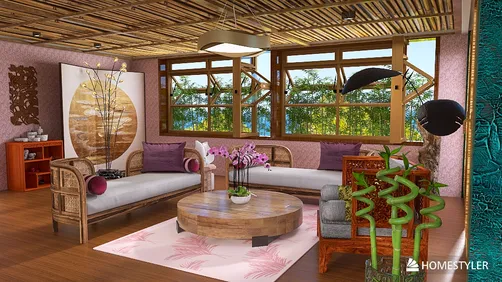
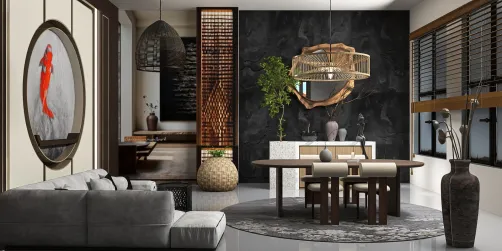
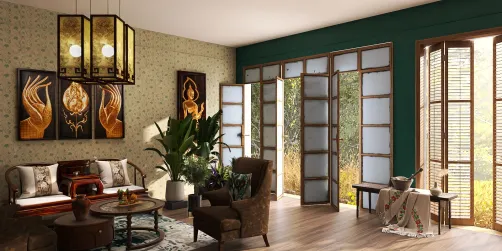
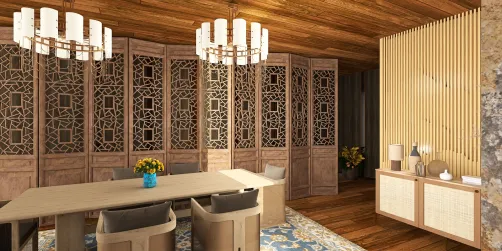
As our lives become busier, our living spaces are shrinking, leading to innovative design solutions. Recent studies by AIA indicate that work-from-home environments are becoming essential in modern residences, causing my clients to navigate a tight fit between bedrooms, meetings, and their daily routines. In this scenario, a 1200 sq ft 3 BHK study design isn't excessive; it's a well-structured experience. Equipped with a spatial design toolkit, I'm preparing for a future where homes must manage light and airflow alongside attention just as carefully. Using tools like Homestyler can facilitate this process.
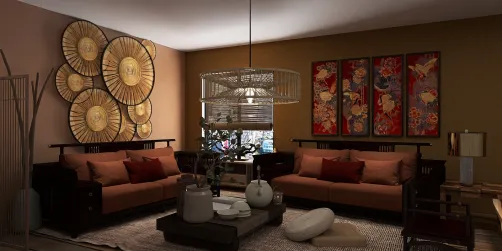
Linear Gallery Spine
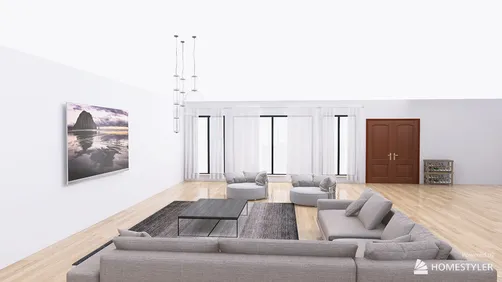
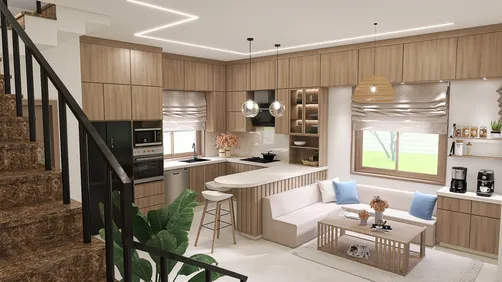
Design Principle: A streamlined corridor acts as a gallery spine, featuring an open living-dining area at its center, a tranquil primary suite at the far end, and two additional rooms accompanied by a compact study area along the path. The future demands seamless transitions in daily activities, and this corridor layout provides just that.
Flow: The layout progresses from entry to a drop zone, through an open living space, a dining area, to a kitchen hatch, then into the study nook, leading to the bedrooms and bathrooms, akin to a command sequence that minimizes shifts in focus.
Sightlines: From the entrance, there’s a deliberate sightline towards the balcony, with the study elegantly concealed by slatted features, allowing bedrooms to be positioned off-axis to maintain a clear focus.
Storage: The corridor wall serves as a storage solution with depths of 16–18 inches for coats, cleaning supplies, and even a printer station. The beds are equipped with under-drawers, while the kitchen includes a tall pantry for organizational efficiency.
Furniture Integration: The furniture dimensions are optimized, with an 84-inch sofa, a 60×30 inch dining table, and a 48×24 inch study desk, while the primary bedroom features a queen-sized bed and the kids’ rooms accommodate doubles. The API limits are designed to ensure spaciousness.
Verdict: This structured rail enables daily activities to progress smoothly; five years into use, it remains intuitive, efficient, and low-latency.
save pin
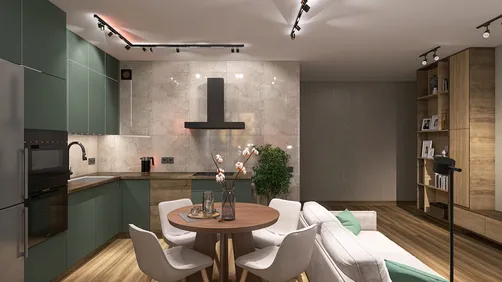
Courtyard Core Loop
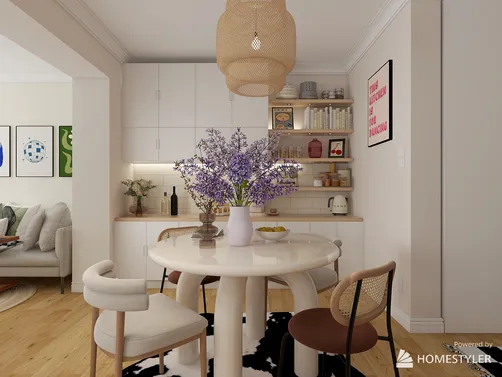
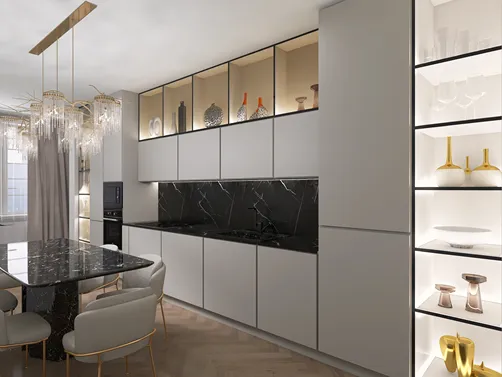
Design Principle: By incorporating a light well or a balcony-facing core, this loop design allows rooms to flow around a central bright area. As future living emphasizes biophilic design, this layout supports stability in circadian rhythms.
Flow: The configuration starts with a foyer leading to the kitchen passthrough, a dining area, a living space, a study alcove bathed in light, and bedrooms tucked away for privacy; creating a circular journey with strategic checkpoints.
Sightlines: Eye movement naturally directs toward the core, where plants and daylight converge. The study is illuminated without screen glare, while bedrooms are shielded by offsets for optimal tranquility.
Storage: Built-ins around the perimeter function as a cache, with depths ranging from 14 to 20 inches, while bench storage sits near the core. Linen towers are adjacent to the baths, and the AV setup is discreetly integrated like a server.
Furniture Integration: With a 9-foot curved sectional, a round table with a diameter of 48 inches to promote flow, and a 60-inch modular study wall, this design ensures ample space around each bed with 30 inches of clearance on either side.
Verdict: This circular design facilitates a flow of attention without fatigue, and as time progresses, plants flourish, routines solidify, making the home function like a self-sustaining ecosystem.
save pin
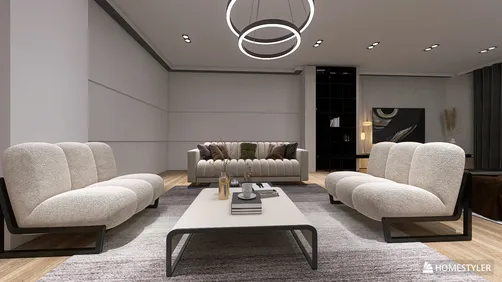
Split-Zone Quiet/Active
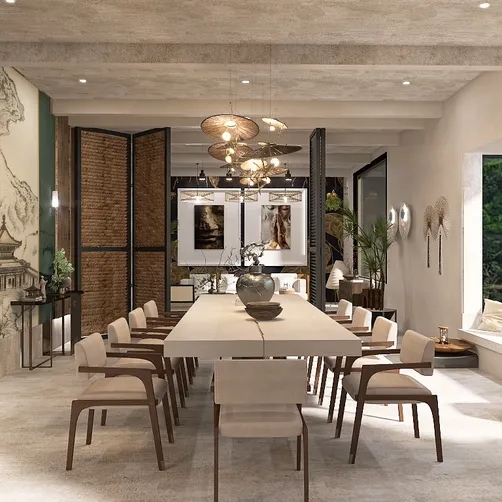
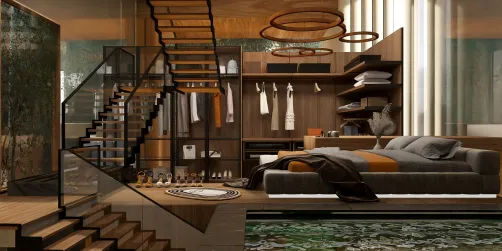
Design Principle: This 1200 sq ft space is strategically divided into an active front area (living/dining/kitchen) and a quieter rear with three bedrooms and a study, complete with sound insulation. With hybrid work becoming the norm, distinct zoning prevents overlaps in activity.
Flow: The design flows from the entry to an active hub, through a sliding partition into a study ‘airlock’, followed by bedrooms, culminating at the bath cluster; this layout resembles the separation of foreground and background tasks.
Sightlines: The active area promotes long views towards the terrace while the quiet zone offers softer glimpses filled with books, textiles, and warm lighting, minimizing cognitive distractions.
Storage: The front section houses an appliance garage, banquette drawers, and a wall grid for daily essentials, while the back offers reach-in closets with double hangers, overhead luggage storage, and a pegboard in the study for organization.
Furniture Integration: The 72-inch sofa plus a 36-inch walkway, a 24×72 inch peninsula, and a 60×28 inch desk featuring an acoustic panel accommodate varying needs, with bunk beds designed for efficient floor space.
Verdict: This design supports a dual-pace lifestyle; the scheduler remains intact as family dynamics evolve, and the layout is easy to navigate.
save pin
Final Thoughts
A thoughtfully designed 3 BHK study layout within 1200 sq ft operates much like software: clear modular spaces, predictable transitions, and ample buffers. Variations, including a 3-bedroom model with a study or a compact home office floor plan, showcase that the future values efficiency over expansion. The homes I create prioritize throughput, sightlines, and smart storage solutions. Through tools like Homestyler, I've learned that the homes of tomorrow will not necessarily be larger; rather, they will be intentionally designed to meet evolving needs.

Homestyler is your go-to online home design platform! With a user-friendly design tool, stunning 3D rendering options, and an abundance of DIY video tutorials, you can effortlessly create and visualize your dream spaces. Transform your home design journey with Homestyler today!