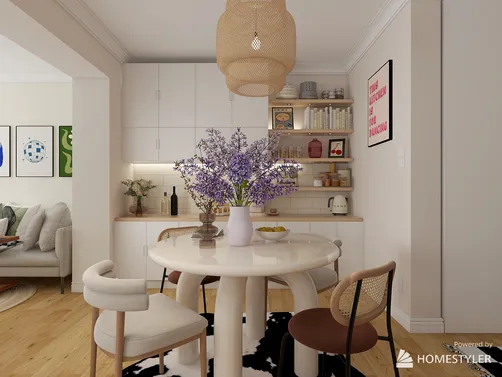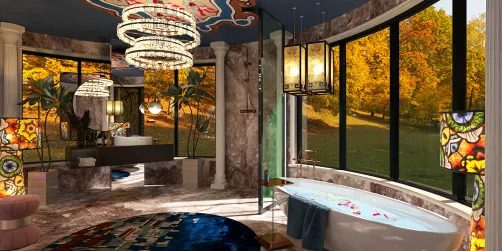
As urban living in Mumbai becomes increasingly constrained, the challenges of privacy, storage, and accommodating multiple generations are continuously disrupting daily life. Recent insights from Zillow illustrate that flexible living spaces and work-ready areas are evolving from desirable features into fundamental necessities for city dwellers. Each 3-bedroom layout in Mumbai represents a forward-thinking approach focused on efficiency rather than mere square footage, akin to a spatial reasoning toolkit.
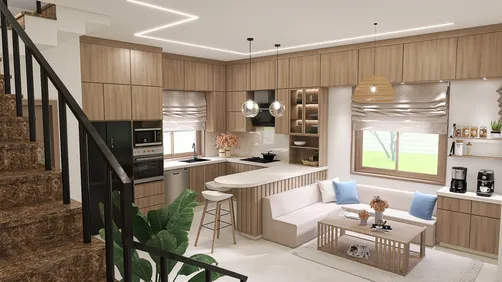
Split-Core: Corridor Spine with Dual Aspect Living
Design Concept: A central corridor functions like a data conduit, balancing public and private areas to manage noise and activities within a multi-generational household effectively.
Flow: The movement of space involves Entry → Living/Dining → Kitchen pivot → Spine → Bedrooms, with a guest bathroom accessible from the spine, facilitating uninterrupted navigation akin to asynchronous task management.
Sightlines: Upon entering, the living room window serves as the main interface, offering a visual connection to the dining area and a clearly framed kitchen passage, maintaining an understandable layout hierarchy.
Storage: Generous wardrobes extend along the spine; a pantry niche near the kitchen functions as a storage cache; shoe and linen towers at strategic points minimize retrieval delays.
Furniture Arrangement: Sofas with a seat depth of 900–950 mm, dining setups between 1600–1800 mm, and beds sized 1.8–2.0 m with 750 mm clearance on each side ensure comfort; balcony furnishings maintain clean transitions.
Conclusion: This layout adapts to Mumbai's population density while preparing for future needs related to hybrid work, education, and elder care, all within a single organized flow.
save pin
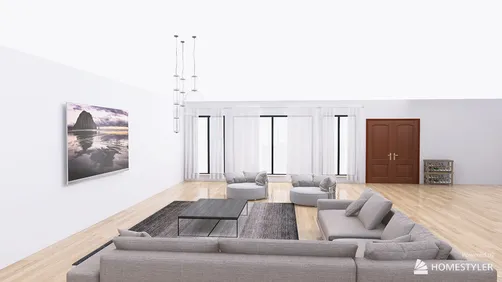
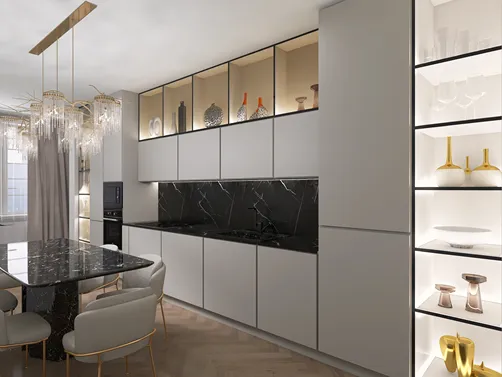
Bay-Linked Living: L-Plan with Work Pods
Design Concept: An L-shaped living-dining area anchors two small work pods, recognizing that modern homes serve dual purposes of productivity and relaxation.
Flow: The path through the space follows Entry → L-living area → Pod A (for meetings) → Pod B (for quiet work) → Kitchen loop → Bedrooms, ensuring concurrent activities can proceed without disruption.
Sightlines: Long vistas toward the bay or skyline; the work pods capture natural light through clerestory windows, ensuring the prime view remains a focal point.
Storage: The work pod walls conceal a task storage area 300 mm deep; dining banquette drawers help organize spaces; and a tall kitchen unit serves as a storage solution for appliances and supplies.
Furniture Arrangement: Flexible sectional sofas ranging from 2.1 to 2.4 m; fold-down desks with a 600 mm depth; an oval dining setup softens movement; and beds with built-in storage enhance usability.
Conclusion: The L-plan effectively operates as a versatile dashboard, allowing Mumbai’s 3-bedroom apartments to adjust to changing daily activities without causing layout fatigue.
save pin
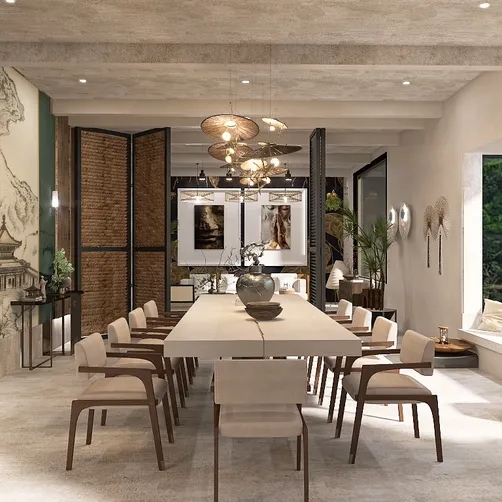
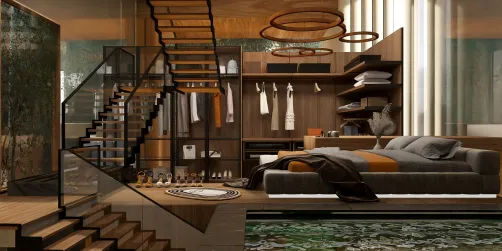
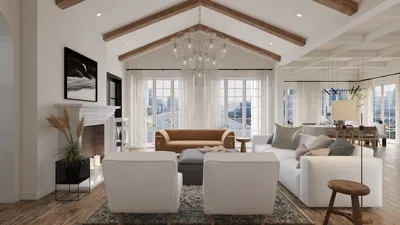
Perimeter Private: Corner Suite with Shared Core
Design Concept: Bedrooms are strategically placed around the perimeter for enhanced light and sound insulation, while a compact shared core organizes essential utilities efficiently.
Flow: The sequence is Entry → Core hub (kitchen + utility) → Living area → Perimeter bedrooms, where ensuite access is streamlined to minimize unnecessary movement.
Sightlines: The living area offers the broadest perspective; doors are placed to avoid direct views into bathrooms; and the kitchen pass serves as a functional viewfinder rather than a distraction.
Storage: Wardrobes along the perimeter maintain a depth of 600 mm; loft storage positioned 2.4–2.7 m high; and a utility tower organizes cleaning supplies, laundry, and seasonal items effectively.
Furniture Arrangement: A compact dining area for four, with 900 mm clearance; beds sized to match window bays; and organized media consoles keep technology out of sight.
Conclusion: This layout maximizes natural light while creating a tranquil atmosphere suitable for Mumbai’s diverse family dynamics, all while remaining adaptable for future enhancements.
save pin
Final Thoughts
In densely populated cities like Mumbai, a 3-bedroom layout functions as an operational interface that channels energy, focus, and family dynamics beyond simple storage. Innovative designs such as split cores, L-linked living, and perimeter privacy concepts demonstrate how apartments can create a sense of spaciousness through improved organization and strategic storage solutions. Homes of the future will not merely expand in size but enhance efficiency through thoughtful elements like work pods and layered storage, a trend I regularly observe in my projects using tools like Homestyler.

Homestyler is the ultimate online home design platform for anyone looking to create their perfect space. With its user-friendly design tool, stunning 3D renderings, and a wealth of DIY video tutorials, you can visualize and execute your ideas effortlessly. Transform your home today!