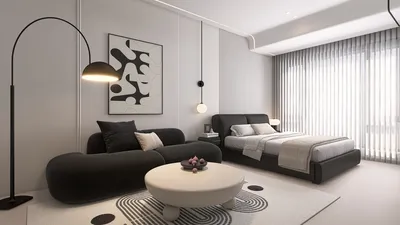


I distinctly recall a project where a client requested me to transform the basement into a cozy beach cottage feel — all while working with bare cement walls and a minimal budget. Initially, it made me chuckle, but I quickly understood that with the right choice of paints and some texture, even cold cement can achieve a warm ambiance. Small spaces ignite significant creativity; that basement ultimately became my favorite mini-makeover (and yes, we incorporated a faux shiplap look and a splash of color using textured concrete paint similar to what I experiment with in my 3D designs: textured cement walls).
1. Embrace mineral options with limewash for a charming, breathable finish.
For indoor cement walls, I frequently suggest using mineral or limewash paints, as they allow moisture circulation and provide a beautiful, organic, chalky texture that ages gracefully. They offer a forgiving finish — the patina helps conceal small flaws — but require a clean, alkaline-friendly surface and can’t withstand heavy scrubbing like acrylics can.
save pin
2. Opt for masonry acrylics for long-lasting durability.
For indoor kitchens or exterior cement surfaces, high-quality masonry acrylic paint is my top recommendation: it's durable, maintains color well, and is user-friendly. The only drawbacks are slightly reduced texture and the necessity for a suitable primer on very porous concrete, along with the need for UV-stable pigments for sunny exteriors.
save pin
3. Experiment with acid stain for an industrial, varied look.
If you favor an unrefined concrete aesthetic, acid staining provides rich, varied tones that deeply penetrate the cement — it's more akin to a finish than a paint and won’t peel off. While it may be less forgiving on uneven surfaces and requires sealing afterward, it offers a unique, low-maintenance aesthetic that I love in loft-style environments.
save pin
4. Utilize microcement or textured topcoats for a seamless appearance.
Microcement or polymer-modified topcoats yield a sleek, continuous concrete look with design versatility — achieving thin, waterproof coatings that feel modern and refined. They can be on the pricier side and necessitate a skilled applicator, but the end result is a smooth surface that is unexpectedly tactile, ideal for small bathrooms or shower areas (when dealing with wet zones, I always scrutinize product specifications for moisture resistance).
save pin
5. Incorporate accents, stencils, or geometric patterns to visually enhance small spaces.
When dealing with limited space, paint can become a transformative element: vertical stripes, oversized stencils, or a dark accent wall can all create the illusion of a larger room. I occasionally mix a durable base coat with graphic stenciling on top; this requires careful taping and precision, but the payoff is significant for a minimal investment — think of substantial impact on a small budget (I often sketch first using AI concept tools to explore color combinations like a digital mood board for a dramatic accent wall).
save pin
Tips 1:
The preparation phase is critical — clean, patch as necessary, etch if required, and always test your primer on a small area. For budget-conscious projects, purchase mid-range acrylic for high-traffic areas while reserving mineral paints for feature walls. If uncertain, I create a mock-up on a 1x1 foot section — nothing compares to visualizing paint on your actual concrete surface.
save pin
FAQ
Q1: What type of primer works best on raw cement walls?
Acrylic masonry primers or alkali-blocking primers are excellent choices; they seal porous concrete and enhance adhesion. For alkaline surfaces, opt for products specifically labeled for concrete and masonry.
Q2: Is it possible to paint cement walls in a bathroom?
Absolutely — utilize waterproof primers and paints or microcement systems recommended for wet areas. Ensuring proper ventilation and sealing is crucial to prevent mold growth.
Q3: Can limewash be applied to exterior cement walls?
Limewash is suitable for outdoor use because it allows for breathability and resists moisture accumulation, though it may require more frequent reapplication in adverse weather conditions compared to acrylics.
Q4: How do I prepare surfaces to remove efflorescence before painting?
Cleanse the salt deposits using a masonry cleaner and allow the wall to dry thoroughly; persistent salts may necessitate evaluating potential water intrusion from a professional.
Q5: What distinguishes paint from stain on concrete?
While stain seeps into and colors the substrate, resulting in a more natural finish without peeling, paint remains on the surface, providing more opaque coverage and simpler color alterations later on.
Q6: How long should I wait between coats applied to cement?
Adhere to product instructions, but generally allow 4–8 hours for fast-drying acrylics and up to 24 hours for thicker primers or sealers, contingent on humidity and temperature conditions.
Q7: Can I use typical interior paint on exterior cement surfaces?
Conventional interior paints are not designed for outdoor weather exposure; choose exterior-grade masonry paints that offer UV and moisture resistance for optimal longevity.
Q8: Where can I find expert advice regarding concrete painting specifications?
Manufacturers like Sherwin-Williams provide comprehensive technical guides and specifications; their recommendations for concrete and masonry coatings include primers, stains, and sealers (for more information, visit Sherwin-Williams technical data).
save pin
Discover the power of Homestyler for your home design journey! This user-friendly platform offers an exceptional online design tool, stunning 3D renderings, and a wealth of inspiring design projects and DIY video tutorials. Transform your vision into reality effortlessly with Homestyler!
Дизайн сейчас бесплатно
































