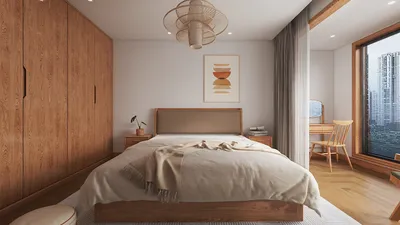


I once hosted a dinner party where I inadvertently displayed a large canvas upside down for the entire evening, only to later realize that what appeared to be an abstract 'boat' was actually a mountain. It was quite the lesson! When advising clients on how to appropriately hang canvas paintings on their walls, I emphasize the importance of envisioning the overall layout, including furniture placement, sightlines, and lighting — these elements are crucial.
1. The 57-inch guideline for optimal eye-level impact
I typically suggest centering artwork so its midpoint is positioned around 57–60 inches from the floor. This height ensures that the piece feels right regardless of whether you are standing or sitting. This rule promotes consistency across different spaces, although you may have to adjust for lower ceilings or furniture. Always remember to measure before you start hammering.
save pin
2. A standout piece above sofas or beds
Placing a single large canvas above a sofa not only adds a sense of calm but also introduces drama to a room. This approach is a straightforward enhancement for both renters and homeowners. However, large canvases require reliable support; I often recommend using heavy-duty wall anchors or toggle bolts for installation on brick or drywall surfaces.
save pin
3. Salon-style arrangements for a personal touch
Creating a salon wall by grouping smaller canvases allows you to narrate a story and adapt your art collection over time, especially when you discover unique pieces at thrift shops. While this method offers endless variety, planning the layout can be challenging — I usually sketch it out or use paper templates beforehand to ensure the holes are placed accurately.
save pin
4. Leaning or ledge displays for flexibility
Are you the type who likes to switch up your art every weekend? A simple picture ledge or leaning canvas on a mantle gives you the freedom to rotate artworks without creating new holes. Layering frames can add depth, making this an economical option. However, if your ledges are shallow, larger canvases might require additional support, so always check the weight limits and optimize space near dining areas if placing art there.
save pin
5. Use mockups and lighting for a professional finish
Before finalizing where to hang your art, create a mockup. You can tape kraft paper to the wall or use a digital tool to visualize scale and height — it's a practice I employ for nearly every project. Proper lighting is essential; consider using directional picture lights or adjustable track lighting. Remember, creating a 3D mockup for challenging spaces can prevent the need for rehanging later.
save pin
FAQ
Q1: What is the ideal height to hang a canvas?
A: Aim for the center of the artwork to be around 57–60 inches from the floor. This height works for most viewers, but adjustments may be necessary depending on very low or high furniture.
Q2: How do I hang a heavy canvas on drywall?
A: Utilize toggle bolts or molly anchors that can support the weight; whenever possible, anchor into a stud with a screw. For very heavy artworks, consider using a professional-grade anchor or a french cleat system.
Q3: Can I hang canvas without using nails?
A: Certainly, you can use heavy-duty adhesive strips designed for picture hanging or opt for a picture ledge to lean your canvases. Adhesive strips are suitable for moderate weights and rental properties, but always check their weight limits and compatibility with wall surfaces.
Q4: What is the appropriate space between grouped canvases?
A: Typically, I recommend leaving 2–4 inches of space between frames to create a cohesive look; tighter gaps give a modern feel while larger gaps evoke a more relaxed atmosphere. Laying pieces out on the floor first can help establish a pleasing arrangement.
Q5: Is it better to hang canvases using wire or D-rings?
A: Wire allows for easy leveling on wider canvases; D-rings provide sturdiness and keep the canvas closer to the wall. For heavier or valuable pieces, using D-rings along with dual anchor points is advisable for added security.
Q6: How do lighting and sunlight influence the longevity of a canvas?
A: Prolonged exposure to direct sunlight can fade pigments and damage canvases over time; therefore, it is best to utilize diffuse and controlled lighting. According to research by the Getty Conservation Institute, minimizing UV exposure and managing humidity levels are crucial in preserving artworks.
Q7: What tools should I have ready for hanging?
A: A stud finder, tape measure, level, pencil, and the proper wall anchors are essential tools I never overlook. A laser level or hanging kit can save time and help ensure that multiple pieces are perfectly aligned.
Q8: Any quick advice for renters?
A: Employ removable picture hanging strips, use picture ledges, or lean canvases to avoid creating holes in the walls. If heavier pieces need to be anchored, check with your landlord for guidelines and utilize anchors that can be easily removed.
save pin
Homestyler is your go-to online home design platform! With its user-friendly design tool, stunning 3D renderings, and a wealth of DIY video tutorials, you can effortlessly create and visualize your dream space. Perfect for all skill levels, let your creativity shine with Homestyler!
Дизайн сейчас бесплатно
































