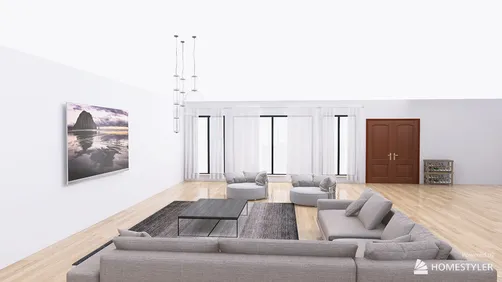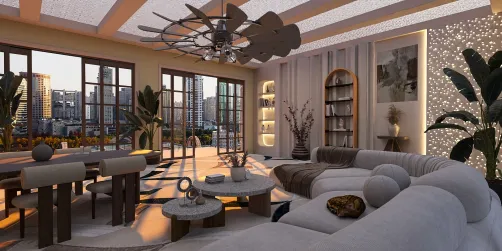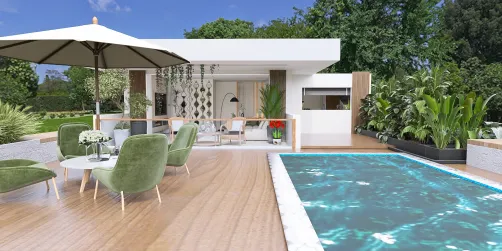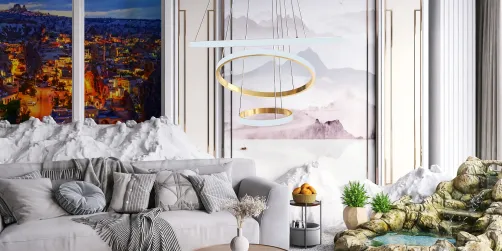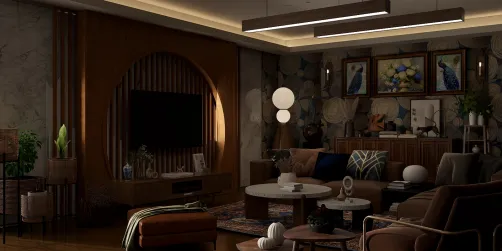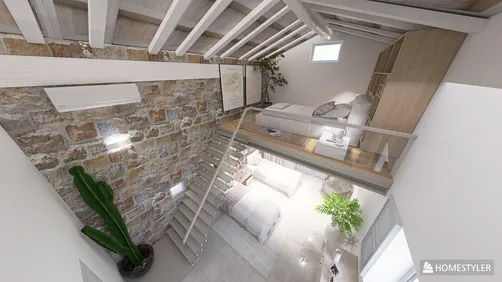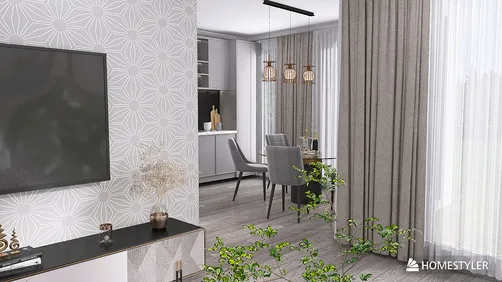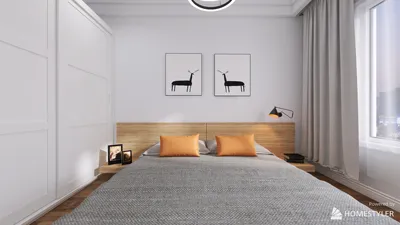
The perception of space can be enhanced when boundaries are softened, vertical lines direct the gaze upward, and light is purposefully reflected. Over the past ten years, I have been perfecting color strategies that achieve this effect in small studios, cozy bedrooms, and compact living areas—often transforming their perceived volume in just a single weekend.
Research consistently supports that lighting and well-balanced environments significantly impact how spacious a room feels. WELL v2 suggests maintaining a minimum of 215–300 lux in frequently used spaces to enhance visual comfort and task clarity, minimizing contrast shadows that can make areas seem smaller (WELL v2 Luminous Comfort). Studies by Steelcase connect effective glare management and balanced ambient light to lower visual fatigue and higher comfort levels, contributing to an overall sense of ease in limited spaces. My color schemes are designed to align with these lighting levels, allowing walls to recede and ceilings to feel elevated rather than confined.
On the psychological front, an overview of color psychology by Verywell Mind highlights that cool colors like blue and green are often associated with calmness and an expansive feel, while warmer and more saturated reds can be stimulating and confining. In smaller rooms, I utilize desaturated cool tones and high light reflectance value (LRV) neutrals to create a feeling of outward expansion. When considering layout adjustments, I incorporate a room layout tool like Homestyler to visualize the interaction of circulation and sightlines with the color plan.
My Essential Color Palette Guidelines for Small Spaces
I start with Light Reflectance Value (LRV). Colors that rate above 70 LRV reflect more ambient light back into the room, effectively reducing contrast and visually expanding corners. I typically choose a soft, low-chroma neutral for the main walls (such as muted off-whites, soft grays, and sandy beiges) while introducing a cooler undertone—like blue or green—to give the illusion of the walls receding. Additionally, I paint trim and doors 5–10% lighter than the walls to create a blending effect. In north-facing rooms deprived of warm daylight, I switch to warmer neutrals (like creamy ivory or pale mushroom) while keeping saturation low to maintain a light feel.
Ceiling and Vertical Enhancement
The ceiling provides additional square footage that contributes to visual expansion. By painting it the same color as the walls but with a 10–20% lighter tint, I eliminate the perceptible horizon line and create a sense of increased height. In spaces with low ceilings, I opt for a matte finish on the ceiling to prevent glare, adhering to WELL recommendations regarding glare control; I will instead apply a higher reflectance paint on the top quarter of the wall. If crown molding is present, I paint it to match the ceiling rather than the trim to avoid a heavy visual cap.
Receding Cool Colors
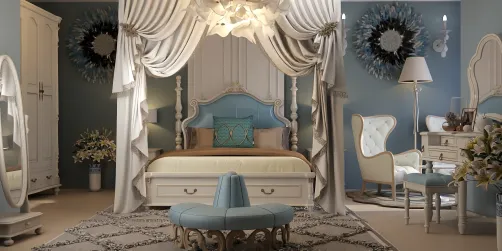
Soft blue-grays, delicate sage greens, and pale blue-greens are excellent choices for visually pushing walls outward. These desaturated cool tones are effective, as our eyes perceive them as distant, similar to the atmospheric perspective found outdoors. I ensure chroma is muted (think ‘sea glass’ rather than ‘mint’) to avoid the space feeling childlike or cold.
Light Warm Neutrals Without Heft
Warmth is essential in bedrooms and north-facing living areas. I utilize light oatmeal, almond, or beige with subtle pink or peach undertones at very low saturations. This works best when paired with crisp white ceilings and lighter trim to create edge blurring. I steer clear of heavy taupes or caramel unless the room has abundant daylight and light-colored furnishings, as these can otherwise draw walls closer.
Monochrome Envelope: The Softening Secret
A monochromatic approach—using the same color for walls, trim, doors, and even baseboards—removes harsh contrast lines that define a room’s limitations, resulting in a continuous and larger appearance. I adjust the sheen depending on the surface (eggshell for walls, satin for trim) to maintain durability without creating sharp brightness variations. This technique is particularly effective in narrow hallways and attics with numerous angles.
Accent Walls: Their Role and Limitations
In compact spaces, a dark accent wall behind a headboard or sofa can create depth if it is carefully positioned as the farthest plane in the main sightline. However, if the wall is short or disrupted by doors and windows, it should be avoided to prevent visual fragmentation. Should I decide to use an accent, I ensure it is a deeper shade of the main hue, rather than introducing an entirely new color family.
Importance of Finish: Managing Glare and Brightness
Using matte or eggshell finishes on large wall surfaces helps regulate gloss and glare. High-sheen finishes on expansive walls can lead to glare and discomfort—issues both WELL and workplace research associate with visual strain. I limit satin or semi-gloss finishes to trim and millwork only. For rooms with limited light, I prefer high-LRV paint over glossier finishes; the pigment reflects light more gently than sheen does.
Daylight Orientation and Undertone Choices
- North light is cool and diffuse: warm it up using creamy off-whites or greige; avoid icy grays that tend to look dingy.
- East light is initially blue but warms later: balanced neutrals or muted greens work well to maintain stability.
- South light is warm and strong: soft cool hues (like blue-gray and sage) preserve clarity without a yellow undertone.
- West light is warm in the late day: avoid pink-beige tones; opt for balanced taupe or airy gray-green instead.
Color-Zoning for Functionality Without Contraction
In studio apartments, I create zones based on value rather than color. Maintaining shades within a single color family while adjusting to 10–15% darker where intimacy is required (such as a sleeping nook) allows for practical separation without stark visual breaks. I preview these changes using an interior design tool like Homestyler to visualize the impact of layout alterations before I begin painting.
Baseboard, Door, and Window Treatments
Painting baseboards to match wall colors elongates the appearance of wall height. For doors, coordinating them with the walls eliminates interruptions in the flow; should I choose to add architectural detail, I opt for a 5% darker hue in the same color family. Window casings may be slightly lighter to enhance daylight, while avoiding pure and ultra-bright whites if your walls are warm-colored to prevent a blue and harsh look.
Aligning Furniture, Flooring, and Color Echoes
While paint does the heavy lifting in terms of perception, furnishings should complement the palette. Large, low-contrast furniture should blend with walls; stark contrasts can disrupt the visual space. Light rugs placed over dark floors create a higher LRV plane that reflects light upwards. If maintaining dark floors, make sure to lighten the walls and ceiling to achieve balance.
Effective Small Room Color Combinations
- Soft Warm Minimal: Walls—creamy ivory (LRV 80+); Ceiling—same color 15% lighter; Trim—same hue in satin finish. Accents—oatmeal textiles and pale oak.
- Calm Coastal: Walls—mist gray-blue (LRV 70–75); Ceiling—matte white or a 20% lighter tint; Trim—pale gray satin finish. Accents—linen and brushed nickel.
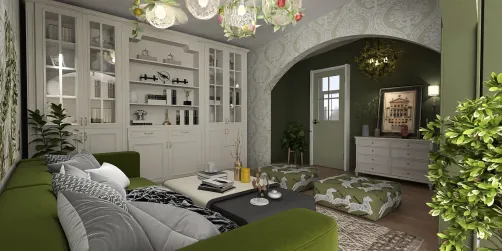
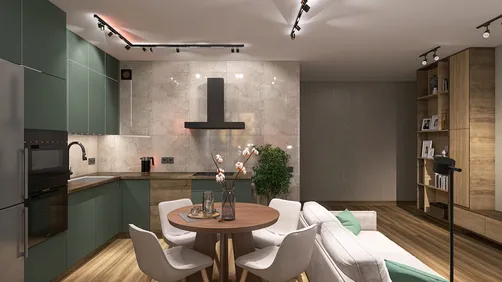
- Modern Sage: Walls—dusty sage (low-chroma, LRV 65–70); Ceiling—off-white; Trim—sage 5% lighter. Accents—light ash wood and warm white draperies.
- Tonal Greige: Walls—balanced greige (LRV 72); Ceiling—same color 10% lighter; Trim—match the walls. Accents—textured wool and soft black metal.
Lighting Combinations That Promote Spaciousness
To achieve spaciousness, I distribute ambient lighting to serve task requirements while softly illuminating the walls. Aim for general lighting of 215–300 lux paired with task lights according to WELL standards. For bedrooms, use a color temperature of 2700–3000K, while for living and workspaces, a range of 3000–3500K is recommended; keep the glare index low with diffused lamps and indirect uplighting. Spotlighting vertical surfaces enhances the perceived volume more than merely illuminating the floor.
Acoustics, Texture, and Color Perception
Rooms with hard, echoey surfaces tend to feel smaller. Incorporating soft textures—such as rugs, curtains, and upholstered panels—can diminish reverberation while allowing colors to appear richer and more soothing. Enhancing sound absorption complements visual expansion; a quiet atmosphere enhances the perception of spaciousness as it avoids overwhelming the mind with reflections and noise.
Common Mistakes I Avoid
- Using high-gloss walls to chase brightness—this can invite glare and create visual clutter.
- Applying pure white in low-light areas—this often turns gray and dingy; go for warm off-white instead.
- Incorporating high-contrast trim and doors—this tends to confine the room visually.
- Utilizing strong, saturated accents in small spaces—this can shrink the boundaries of the room.
- Neglecting the direction of daylight—undertones can shift dramatically based on orientation.
Frequently Asked Questions
Utilizing high-LRV, low-chroma neutrals (like off-whites, pale greige, or soft gray-blue) helps walls recede and bounce light effectively. Aim for an LRV between 70–85 on the walls and employ a slightly lighter color for the ceiling.
Not necessarily. While cool, desaturated hues can recede, in north-facing rooms they may feel chilly. It’s best to utilize warm off-whites or greige in low daylight conditions, ensuring low saturation to avoid visual heaviness.
Painting the ceiling the same color as the walls at a 10–20% lighter tint often gives the illusion of taller ceilings by eliminating the horizon line. A matte finish is recommended to manage glare.
I recommend using matte or eggshell finishes on walls to lower glare and visual distractions, while satin or semi-gloss should be reserved for trim to ensure durability and subtle definition.
Accent walls can be helpful when placed on the far plane of a primary view and maintained as a deeper value of the same hue. Conversely, random contrasting walls can disrupt the cohesive look in smaller rooms.
Warm lighting at 2700–3000K creates a cozy environment; for enhanced clarity, aim for 3000–3500K. Pairing color temperature with balanced illumination (≈215–300 lux per WELL standards) is key to preventing harsh contrasts that can diminish a room's spaciousness.
Yes, especially in powder rooms or cozy nooks where a sense of immersion is desired. Maintaining a monochrome envelope, supplemented with layered lighting, and contrasting against lighter floors or fixtures can help avoid a cave-like sensation.
This is valid only if the walls are darker. In small rooms with light walls, matching the trim to the walls creates a seamless effect, removing visual interruptions and often making the room feel larger.
To promote a sense of spaciousness, I suggest using high-LRV warm neutrals, maintaining uniform color on walls and trim, ensuring strong vertical lighting (such as indirect uplighting), and a light rug to enhance reflectiveness. Keeping finishes matte helps to avert glare from artificial lighting.
I recommend testing 24–36 inch samples on various walls and observing them throughout the day. Additionally, evaluate how colors look under your specific lighting setup. If you intend to modify the layout, visualize the color impact using a room design simulation tool like Homestyler before painting.
Mid-to-light matte finishes in low-chroma hues (such as soft greige and muted sage) tend to disguise surface imperfections better than stark whites or glossy finishes.
In dimly lit areas, pure white can appear gray and frigid. A warm off-white with a higher LRV will enhance light reflection and appear more inviting and bright in practice.

Homestyler is your go-to online home design platform! With its easy-to-use design tool, stunning 3D renderings, and a wealth of design projects and DIY video tutorials, you can effortlessly transform your living space and unleash your creativity. Perfect for every home enthusiast!








![Design [4]](https://hs-designs.homestyler.com/production/design/images/07c2de3a-88ec-4be8-8910-ff255b795bc2/1731419398293/7841697.jpg?x-oss-process=image/resize,w_502,m_mfit/format,webp)