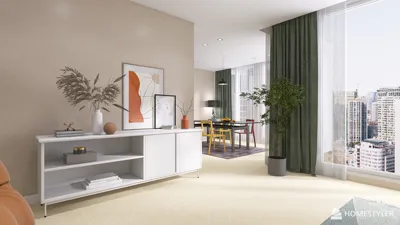


Creating a therapy room for children can be an engaging task, especially when the available area is limited. The primary objective is to design an enjoyable, secure, and welcoming space that fosters creativity and healing. Below are some creative suggestions to help you turn a compact area into a lively therapy room for kids, utilizing tools like Homestyler for optimal design.
1. Vibrant Color Palette
Begin by choosing a color palette that exudes positivity. Select vibrant shades such as yellows, blues, and greens, which can inspire creativity while making the room appear more spacious. Adding playful motifs with removable wall stickers or paint can enhance the environment without permanent alterations.
2. Versatile Furniture Solutions
In a compact therapy space, furniture that fulfills multiple roles is crucial. Think about benches that serve as storage or ottomans that provide seating and toy storage. This approach keeps the area organized and comfortable for children.
3. Designated Sensory Areas
Setting up specific sensory zones can significantly improve the therapeutic experience. Introduce a variety of textures with pillows, rugs, or wall decorations. Creating a soft corner filled with bean bags or cushions gives children a secure and relaxing spot.
4. Interactive Wall Features
Maximize wall space with interactive elements. Implement chalkboard paint or magnetic boards as outlets for creativity and expression. Kids will enjoy drawing, writing, or displaying their pictures, which adds a personal touch to the space.
5. Nature-Inspired Elements
Incorporating natural elements indoors fosters a soothing environment. Introduce indoor plants, artwork themed around nature, or a small fountain to enhance tranquility within the therapy room.
6. Arts and Crafts Station
Establish a corner stocked with art supplies for children to engage in creative activities. A mobile cart can hold crayons, paper, and various crafting materials, making cleanup quick and easy after each session.
7. Adaptable Room Layout
Maintain flexibility in the room by using lightweight furniture that can be easily rearranged. This allows for different configurations to suit a variety of therapeutic activities and requirements.
8. Comfortable Reading Area
A dedicated reading nook provides a serene escape. Include a small shelf for books, cozy seating, and soft lighting to promote relaxation and encourage storytelling exploration.
FAQ
Q: What are essential elements to feature in a children's therapy room? A: Key elements include a vibrant color scheme, versatile furniture, designated sensory areas, and interactive wall features.
Q: What strategies can I employ to maximize a small therapy space? A: Opt for multifunctional furniture, ensure a flexible layout, and incorporate storage solutions to maintain an organized atmosphere.
Discover the ultimate tool for designing kids' rooms with Homestyler, your go-to solution for creating engaging and functional spaces.
Дизайн сейчас бесплатно
































