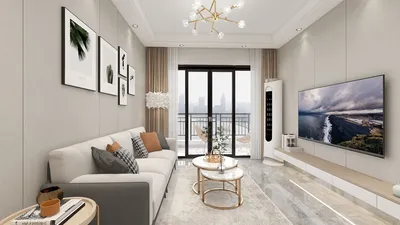


I assist clients in selecting room heaters that not only enhance the aesthetics of a space but also provide significant thermal comfort while managing energy expenses. The ideal heater model strikes a balance between heat output and various factors such as room size, insulation efficiency, and typical usage patterns—while ensuring quiet operation, safety, and a seamless visual presence in the area.
Understanding comfort goes beyond mere perception; it's entirely measurable. Research by Steelcase reveals that temperature dissatisfaction can hinder cognitive performance and concentration, highlighting the importance of precise heating in both residential and home office environments. The WELL v2 standard emphasizes thermal comfort as crucial for occupant well-being, focusing on control over heating, managing drafts, and the right balance of radiant versus convective warmth. By appropriately matching heater types to room proportions and building characteristics, I can minimize temperature fluctuations and create a more stable comfort level throughout the day.
The impact of noise and acoustics also contributes to the overall sense of comfort. Steelcase studies indicate that disruptive sounds can increase stress and diminish focus, which means that fan-driven heaters should be assessed not just for heating efficiency but also for their quiet operation and vibration dampening features. In smaller bedrooms, I recommend nearly silent radiant panel heaters that eliminate fan noise and reduce airflow that can dry the air.
Essential Heater Types and Their Ideal Applications
• Convection heaters: These are ideal for gradually warming enclosed spaces. They circulate air efficiently, smoothing out temperature differences. Select models that include precise thermostats and programmable timers to conserve energy.
• Fan-forced heaters: Great for quickly warming transitional areas like entryways or home offices. Look for features like ball-bearing fans, rubberized feet, and low-vibration designs to minimize noise.
• Radiant/infrared heaters: Perfect for targeted heating and rooms with high ceilings, where direct warmth helps to counteract temperature layering. These heaters provide immediate comfort, especially useful in areas like reading nooks or work desks.
• Oil-filled radiators: Known for providing steady, gentle warmth with minimal noise. They maintain heat consistency, making them an excellent choice for bedrooms and living rooms where smooth temperature control is preferred over bursts of heat.
• Ceramic tower heaters: Compact and effective for smaller areas. Choose models with oscillation features for more even heat distribution.
• Panel heaters (wall-mounted): These heaters save space and feature clean lines, integrating seamlessly with modern home aesthetics while helping keep the room visually organized.
Ensure Heat Output Matches Room Size
Proper sizing is crucial. Generally, a rule of thumb is to allocate approximately 10 watts for each square foot of heating space, with adjustments for insulation quality and ceiling height. Smaller, well-insulated areas usually benefit from 600–900W units, whereas medium-sized rooms might need between 1,200 and 1,500W. For high-ceiling or drafty spaces, requirements might increase; radiant heaters can alleviate the chill without excessive power consumption.
Room Layout, Airflow, and Heater Placement
The positioning of heaters significantly affects efficiency, safety, and noise management. Adhere to manufacturer clearance recommendations—commonly at least 3 feet from flammable items—and avoid obstructing airflow with furniture. In rooms where air circulation is complex, I plan intake and outlet paths to prevent warm air from short-circuiting. If you are reconsidering furniture arrangements or circulation patterns, using a room design tool like Homestyler can help you visualize where to place the heater, seating, and clear walking areas.
Essential Safety Features
Make sure to include safety features such as tip-over switches, overheat protection, cool-touch enclosures, and stable bases. For those with kids or pets, incorporating cable management solutions helps prevent tripping, and using grills with fine mesh minimizes contact risks. In smaller bedrooms, wall-mounted panels can reduce floor clutter and decrease collision risks.
Energy Efficiency and Control Options
Implementing smart thermostats, energy-efficient modes, and adaptive cycling can significantly lower energy waste. I recommend heaters that have multiple power settings (e.g., 750/1,500W), a weekly schedule, and occupancy detection capabilities when possible. Pairing heaters with draft-proofing measures and thermal curtains can lead to substantial savings. For clients who work remotely, synchronizing heating schedules with work hours helps avoid unnecessary energy expenditure during idle times.
Managing Noise, Acoustics, and Material Choices
Factors like fan blades, materials, and foot design can affect noise levels. Features such as rubberized feet, composite materials, and low-turbulence grills can significantly minimize vibrations. In settings with reflective surfaces—such as tile, glass, or bare drywall—consider adding soft materials (e.g., rugs, drapes, upholstered furniture) to absorb sound and enhance the overall quietness of operating heaters. Steelcase's research correlates improved acoustic comfort with higher levels of satisfaction; therefore, I aim for bedroom heaters with sound levels around 45 dB or lower.
Thermal Comfort, Ergonomics, and Usage Behavior
The sensation of warmth depends on a combination of radiant heat, ambient temperature, airflow, humidity, and the user's activity level. The WELL v2 framework emphasizes the importance of control: if central heating is uneven, offering a personal space heater in task-oriented areas can greatly enhance comfort. Ergonomically, ensure heaters are not directed towards faces or hands for extended durations to prevent dryness and discomfort. In living rooms, it's essential to balance the heat distribution so that occupants seated in different areas experience consistent comfort levels.
Aesthetic Integration and Design
Heaters should blend seamlessly or intentionally align with your overall design aesthetic. Low-profile panel heaters, matte neutral finishes, and vertical towers that reflect existing design lines can help maintain visual harmony. Additionally, managing cable routing along baseboards and using color-coordinated cords are small but effective details for a tidy appearance.
Proper Maintenance and Longevity
Dust accumulation can hinder performance and lead to unpleasant odors during the initial heating cycles. I recommend scheduling quarterly cleanings of filters or grills, inspecting cords for wear, and ensuring thermostats maintain temperature settings within ±1–2°F. While oil-filled units require minimal upkeep, they still benefit from occasional wipe-downs to keep their fins clear of debris.
Sustainability Considerations in Heater Selection
Select heaters that feature durable enclosures, designs that allow for repairs, and parts that can be replaced. In homes with high carbon emissions associated with electricity, prioritize insulation enhancements and zoning strategies to minimize overall runtime. For mixed-fuel households, portable electric heaters can serve as effective supplements during transitional seasons without necessitating full heating activation.
Quick Selection Checklist for Heaters
• Assess room size and insulation efficiency
• Choose heater types that align with usage habits (consistent versus rapid heat)
• Ensure safety features: tip-over protection, overheat safeguards, cool-touch materials
• Evaluate control options: thermostat precision, programming capabilities, power levels
• Consider noise ratings and vibration dampening
• Check placement logistics and clearance requirements
• Ensure aesthetic compatibility and proper cable management
• Review maintenance accessibility and warranty details
Frequently Asked Questions
My preferred options are oil-filled radiators or wall-mounted panel heaters due to their quiet operation, consistent heating, and lower drying effects compared to fan-driven models. Aim for units between 600 and 1,000W based on insulation specifics.
A good starting estimate is 10 watts per square foot, which should be adjusted considering window sizes and air leakage. If focus is a priority, opt for quieter units with stable output to align with Steelcase's findings on acoustic comfort and concentration levels.
Select models that feature cool-touch exteriors or protective grills, while ensuring appropriate clearances are maintained. Wall-mounted options can greatly reduce the risk of tipping. Using cable clips can help keep wires out of walkways.
Generally, it's not advisable. These heaters are best utilized as supplementary solutions for areas with temperature disparities, transitional seasons, or specific comfort needs in a designated area like a desk or reading nook.
For optimal performance, focus on accurate thermostats, energy-saving modes, multi-tier power settings, and programmable schedules. Combine these with draft-proofing and thermal curtains to extend the heater's efficiency.
Keeping noise levels around 45 dB is a practical target. The sound profile is also essential—steady, low-frequency sounds are typically more acceptable than higher-pitch noises.
Position heaters strategically near areas of highest demand while avoiding obstructions from curtains and soft furnishings. Adhere to manufacturer clearance guidelines, ensuring that airflow is not obstructed, and consider using a layout planner like Homestyler to explore locations before making decisions.
Fan-forced units can stir up dust, necessitating routine cleaning of filters and grills. Avoid directing dry air towards your face, and a small humidifier during winter can maintain a comfortable environment.
Prioritize units with wide bases, tipping safeguards, and rubberized feet. Place them in locations that are away from main circulation paths to prevent accidental bumps.
Ceramic heaters provide rapid warmth for brief usage, while oil-filled radiators heat more gradually but offer even, quiet warmth for extended periods.


Full XL Over Queen Bunk Bed with Full Length Guard

WALKER EDISON Transitional Style Furniture, Reeded

Pemberly Row Modern Wood Queen Size Platform Bed i
Homestyler is your go-to online platform for effortless home design. With an intuitive design tool, stunning 3D renderings, and a treasure trove of DIY video tutorials, transforming your living space has never been easier or more inspiring. Try it today and unleash your creativity!
Дизайн сейчас бесплатно
































