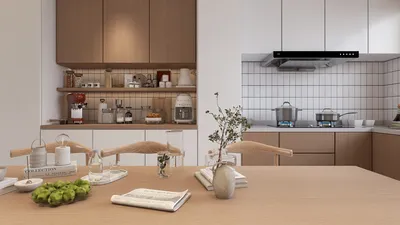


Incorporating glass cabinet doors introduces a sense of lightness and depth to both kitchen and living areas, giving them a gallery-like ambiance. When executed properly, these elements transform standard storage into stylish displays and create an illusion of spaciousness in smaller rooms. This guide will detail a practical approach to building these doors with thoughtful design choices that ensure balanced proportions, correctly aligned hinges, and secure glass fittings. Additionally, I’ll highlight key areas for investment—such as materials, lighting, and hardware—to guarantee your cabinet doors exhibit a custom appearance and durability, making them ideal complements to tools like Homestyler for room planning.
Effective planning yields significant benefits. The WELL v2 standards suggest that visual accessibility and balanced lighting levels contribute to comfort and spatial perception. The Light concept from WELL focuses on achieving suitable illumination and reducing glare for optimal visual experiences. As per the Illuminating Engineering Society, typical kitchen task lighting ranges from 300 to 500 lux—strategically placed under-cabinet lighting near glass doors can achieve practical brightness while minimizing hotspots. I tend to design for uniform luminance and a warm-neutral color temperature (2700–3500K) around glass surfaces to manage reflections effectively. Using a room layout tool can aid in visualizing spacing and door swings to enhance planning: integrated with tools like Homestyler.
Ergonomic considerations are crucial as well. Research from Steelcase indicates that clear organization and spatial clarity can ease cognitive load—applying it here means ensuring aligned hardware and consistent reveal gaps for intuitive daily use. An overview of color psychology by Verywell Mind reveals that blues and greens can promote tranquility; thus, combining clear glass with subdued cabinet colors can minimize visual chaos while allowing showcased items to shine. With this foundation, let’s proceed with the build.
Materials and Tools
I prioritize the use of high-quality, durable materials: for frames, solid maple, oak, or poplar are ideal choices; tempered glass ensures safety; complementary hinges and pulls enhance functionality; and finishes that withstand kitchen humidity are essential. Here’s what you’ll need:
Design the Door: Proportions and Profiles
A glass door functions as a framing element, so proportions greatly impact the overall aesthetic. I recommend stile and rail widths ranging from 1-3/4 inches to 2-1/4 inches for standard cabinet doors; opting for wider frames on taller pantry doors can achieve visual equilibrium. To maintain compositional stability, ensure that vertical stiles are slightly more substantial than horizontal rails. If a modern aesthetic is desired, choose square edges with a gentle bevel; for a classic look, consider a subtle ogee or shaker design. Plan reveal gaps between 2-3 mm around the door to prevent friction and allow for seasonal wood movement.
Measure Twice: Fit and Clearances
Precision in measuring is key for determining hinge type and door overlay. For face-frame cabinets, you must choose between partial or full overlay; frameless cabinets require uniformly set overlays defined by the hinge cup and mounting plate. To determine door size, measure the cabinet opening width and height, subtracting your desired reveal, and adding the overlay. Test the swing arcs to confirm adjacent doors and walls won’t obstruct each other; when designing a series of doors, employing an interior layout planner like Homestyler can simulate swing mechanics effectively.
Choose Your Glass
Always select tempered safety glass for cabinet doors. Clear glass allows for a brilliant display of the items within, while low-iron glass reduces green tint, enhancing white tones. Reeded or ribbed glass can soften visual clutter while maintaining brightness—perfect for everyday tableware. Frosted glass adds privacy and diffuses light, making it an excellent option for areas with variable lighting. When specifying glass thickness, 1/8 inch (3 mm) to 3/16 inch (5 mm) is advisable depending on the door size, with larger doors benefiting from increased thickness for stability. If backlighting is intended, opt for glass featuring a texture that accommodates diffusion to prevent LED hotspots.
Frame Joinery: Strong and Clean
For DIY constructions, I prefer using dowels or loose tenons for quick and robust connections; pocket screws may suffice if installed correctly and concealed. If you are comfortable with traditional techniques, mortise-and-tenon joinery is a fantastic choice. Create grooves approximately 1/4 inch deep and centered in all frame components to hold the glass; ensure that the glass remains free-floating within the groove to allow for thermal expansion. Conduct a dry-fit of all pieces: maintaining the frame square within a tolerance of 0.5 mm is critical, confirmed through diagonal measurements.
Cut, Sand, and Assemble
Mill the stiles and rails to consistent dimensions, then cut them to specified lengths. Sand down to 180-220 grit to achieve a smooth surface that will accept paint or a clear coat. Apply adhesive only to the joinery—steer clear of applying it to the glass channel. Use clamps with cauls to prevent denting, and check diagonals again to maintain alignment. After curing, ease edges with a slight chamfer to reduce the risk of chipping. It’s advisable to pre-finish frames before installing glass and hardware for ease of application.
Install the Glass Safely
Position the frame on padded supports horizontally. Fit the tempered glass within the groove; employ silicone glazing points or flexible clips for securement—avoid using rigid fasteners that may stress the glass. A thin layer of clear silicone applied selectively can dampen vibration. Avoid acetic-cure silicones near certain finishes; opt for neutral cure types for enhanced safety. Always clean up any excess immediately and allow for full curing per the manufacturer’s recommendations before hanging.
Hinges, Alignment, and Reveals
Drill hinge cups (typically 35 mm for European hinges) at a consistent setback (usually 3-5 mm from the edge) using a drill press or jig for consistent accuracy. Mount hinges to your cabinet and hang the door, making necessary adjustments in all three axes: height for top and bottom reveal, side-to-side for even gaps along the stile, and in/out for flush alignment. Soft-close dampers are also a worthy addition as they protect the glass by preventing slamming, making them a great feature even if your hinges lack soft-close functionality.
Lighting and Glare Control
Integrating under-cabinet or in-cabinet LEDs can enhance visual depth. Aim for a lighting consistency of 300-500 lux on work surfaces while maintaining lower levels inside display cabinets for a warm glow. Ensure that the color temperature remains uniform throughout the room to avoid dissonance in displayed items; 3000K offers a warm residential feel, while 3500K is a sharp neutral. Utilize diffusers and position lighting away from direct lines of sight to curtail reflections on glass surfaces.
Finishes: Clear, Painted, or Stained
Clear-coated hardwood beautifully exhibits grain and pairs well with reeded glass. Painted doors benefit from high-quality primers and waterborne topcoats; satin finishes can help reduce the visibility of fingerprints. For painting, applying via spray ensures an even layer and proper edge protection. When opting for stained finishes, it’s important to pre-condition softwoods to avoid blotching; always test colors under actual lighting situations to ensure satisfaction.
Hardware Selection
Select pulls long enough to distribute force evenly—this is especially important for taller doors. While knobs are suitable for smaller doors, they can create torque on frames if positioned too close to the glass. Aim for hardware finishes that correspond with adjacent fixtures to maintain visual continuity; brushed nickel and matte black offer a modern aesthetic, while unlacquered brass leans towards traditional. If necessary, install catches to keep doors securely closed without heavily relying on hinge tension.
Safety and Maintenance
Even though tempered glass is durable, it isn’t unbreakable. Exercise caution around edges, which are particularly vulnerable to impact. To maintain cleanliness, utilize non-ammonia glass cleaner and a microfiber cloth to avoid streaking. It’s advisable to check hinge screws and clips annually for security. If a glass panel cracks, the entire panel must be replaced, as tempered glass cannot be resized post-tempering; thus, ensure precise dimensions upon reordering.
Style Ideas and Color Psychology
Curate the items showcased behind the glass thoughtfully. Whites and light woods evoke an airy feeling, while greens and blues can create a calming display. Utilizing a single accent color throughout objects can add rhythm without creating clutter. For those who value privacy, pairing frosted or reeded glass with warm cabinet tones can provide a grounded ambiance while still inviting light into the space.
Common Pitfalls to Avoid
Project Timeline and Budget Notes
Most DIY enthusiasts can finish a set of four to six doors over a weekend if materials are prepared in advance. Budget considerations should include expenses for hardwood, tempered glass, and high-quality hinges; glass typically amounts to the largest expense. If in-cabinet lighting is included in the plan, allocate funds for drivers, dimmers, and diffusers, ensuring to create a mockup of placements before committing to drilling.
FAQ
To determine final width and height, measure the cabinet opening, add your chosen overlay (often between 1/2 inch to 1 inch), and deduct planned reveal gaps (2-3 mm). Always verify hinge specifications, as overlays depend on the hinge cup and mounting mechanism.
Absolutely. Tempered glass undergoes heat treatment to decrease the risk of injury if broken, making it safer than standard annealed glass—which is not recommended for door usage as it presents hazards.
For smaller doors, utilize 1/8 inch (3 mm); for larger or taller doors, 3/16 inch (5 mm) enhances strength. Always align groove dimensions with the glass thickness, allowing for a slight clearance.
Employ diffused LED strips, maintain a consistent color temperature between 3000K and 3500K, and position lights to avoid direct sightlines. Strive for roughly 300-500 lux on work surfaces to create a comfortable and practical lighting balance, as noted in industry practices by the IES.
Yes, if the frame possesses sufficient width to maintain structural integrity after routing a groove. Reinforcement of joints may be necessary, so ensure the door remains square prior to installing glass.
Soft-close concealed hinges provide adjustments in three axes and safeguard the glass from slamming; while traditional surface hinges can be visually appealing, they may lack fine-tuning capabilities.
Clear glass brilliantly displays items; frosted versions provide privacy while softening light; and reeded glass diminishes visual distractions while maintaining texture and brightness. Low-iron clear glass is an excellent option if you desire true whites without any green tint.
For protection, opt for waterborne polyurethane or conversion varnish. High-quality primers and satin topcoats are ideal for paints, helping to minimize fingerprints and ensuring a polished appearance.
Utilize feeler gauges or shims during hinge adjustments to fine-tune height, lateral spacing, and in/out positioning to consistently achieve 2-3 mm reveals.
No. The glass needs to float within the groove. Instead of securing it with rigid fasteners, utilize glazing points or flexible clips coupled with minimal neutral-cure silicone to absorb vibrations without immobilizing the pane.
Microfiber cloths paired with non-ammonia glass cleaners work effectively. Avoid using abrasive pads and harsh chemicals that could damage finishes or etch protective coatings.
Certainly. Diffused LED strips are effective solutions. Plan wiring paths, ensure driver ventilation, and consider dimming options to keep the display comfortable and visually pleasant, rather than glaring.
What began as an Autodesk innovation has evolved into a design platform used by more than 18 million people around the globe. Homestyler combines powerful rendering, an intuitive editor, and a vast furniture library to help you turn inspiration into photorealistic designs — whether you're redesigning a single room or planning an entire home.
Homestyler is your go-to online home design platform, perfect for any DIY enthusiast. With its user-friendly design tool, stunning 3D renderings, and a wealth of inspiring projects and video tutorials, you can effortlessly create and visualize your dream home. Start designing today!
Дизайн сейчас бесплатно
































