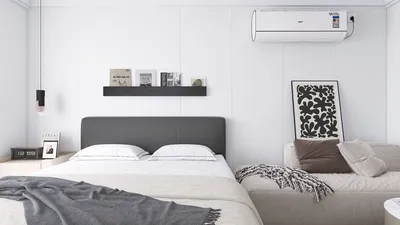


One time, a client insisted their home office be adorned in 'sunset pink' due to its Bali-like charm — stunning but disastrous for weekly video calls. From this experience, I understood how color choices can influence mood, glare, and the perception of space. Thus, I now prioritize functionality before aesthetics, often starting with a simple layout sketch in tools like Homestyler.
1. Warm-toned soft neutrals
Consider hues like greige, warm white, and softened taupes; they reflect light efficiently, minimize eye strain, and create a serene ambiance in even the smallest rooms. The advantage is their versatility: you can introduce color through textiles and artwork. However, they might feel dull without contrast, so incorporating darker trims or textured rugs is wise.
save pin
2. Soothing blues for enhanced focus
Muted blues and slate shades are my go-to selections for clients aiming for concentration. These colors subtly reduce visual distractions and blend perfectly with wood textures. To counterbalance their cooling effect, it's beneficial to use warm lighting and accentuate the space with small brass or oak details, making it inviting.
save pin
3. A dramatic accent wall to frame your workspace
Using deep greens or navy on the wall behind your desk can add depth and elegance without overpowering the space. I like to visualize this with a 3D mockup on Homestyler, which helps assess how the desk and shelves interact with the chosen color. While the downside is the potential hassle of repainting later, experimenting with removable wallpaper or painted panels first can be a smart choice.
save pin
4. Nature-inspired greens and lively elements
Gentle shades like sage, olive, or moss link our eyes to nature, promoting calmness. Pair these colors with plants and natural textures in matte finishes to minimize glare. They are budget-friendly and adaptable to varying light conditions, but an excess of green may seem outdated—balance with bright white trims or contemporary hardware.
save pin
5. High-contrast trims and ceiling colors
Painting the ceiling a lighter or warmer tone than the walls, or opting for clean white trims around cabinets and shelves, provides a refined look. For a bold impact without the need for extensive repainting, consider a striking stripe or backboard. If you wish to plan everything first, using Homestyler for a visual floor layout can help see how ceiling and trim choices work together.
save pin
FAQ
Q1: What is the ideal color for promoting concentration in a home office?
A1: Soft blues and muted greens are often suggested for sustained focus as they help reduce visual distractions. Combining them with warm accents and appropriate task lighting can prevent a cold atmosphere.
Q2: Will using dark colors make my small office appear smaller?
A2: Thoughtfully applied dark colors can effectively create a sense of depth by making walls recede, especially behind a desk. The key is to balance this with lighter ceilings, reflective surfaces, and ample lighting.
Q3: Should my office color scheme match the rest of my home?
A3: Instead of exact matches, I recommend a unified palette featuring a few recurring shades. This approach maintains overall flow while allowing your office to showcase its own functional atmosphere.
Q4: Are matte or glossy paints preferable for home offices?
A4: Matte or eggshell finishes are preferred as they minimize glare and conceal wall imperfections, making them suitable for most home offices; reserve gloss for frequently cleaned trim and built-ins.
Q5: How can I test colors before making a commitment?
A5: Utilize sample pots on large test boards and observe them at various times of the day. Additionally, I suggest digital mockups, especially with tools like Homestyler, to preview how furniture and lighting interact with different tones.
Q6: Can color choices affect productivity?
A6: Absolutely. Research in the Journal of Environmental Psychology shows that specific colors can influence mood and performance levels. Selecting tones that align with work requirements—whether focused tasks or creative brainstorming—is crucial.
Q7: Do I need to incorporate accessories like artwork or cushions?
A7: Small, high-contrast accessories (like art, cushions, or lamps) allow for personalization without the need to repaint. They present low-cost options for seasonal or mood changes.
Q8: Any tips for a budget-friendly color refresh?
A8: Consider painting one wall, replacing a rug or curtains, and updating the lampshade before committing to a full repaint—these minor changes can revitalize the space at a fraction of the cost of a complete remodel.
save pin
Homestyler is the ultimate online home design platform that empowers you to create stunning interiors effortlessly. With its user-friendly design tool, impressive 3D rendering, and an array of inspiring design projects and video tutorials, you can bring your dream home to life with ease.
Дизайн сейчас бесплатно
































