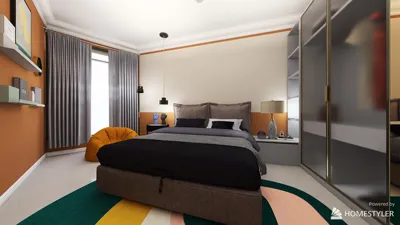


When it comes to home decoration, many guides overlook the psychological aspects of how individuals interact with their living spaces. Unlike typical articles that highlight trendy accessories, my approach uniquely blends behavioral insights with a function-first mentality—an approach honed over a decade of design experience tailored for real families, supported by contemporary research on user experience within interior settings. This comprehensive perspective will assist you in not only selecting visually appealing décor but also picking elements that promote long-term satisfaction and wellness. By doing so, you'll circumvent the potential downsides and design fatigue often seen in mainstream surface-level styling. If you're seeking to implement proven, customized decorative enhancements, continue reading for expert insights that harmonize aesthetic appeal and functionality. For those eager to envision the potential of their spaces, explore how you can visualize these changes with the help of AI interior design tools like Homestyler.
What Hidden Factors Can Undermine Decorative Tips?
Many designers prioritize quick aesthetic fixes, but neglecting lifestyle habits can lead to cluttered and disorganized areas. According to the latest Home Study by Houzz, 79% of dissatisfied decorators identified impractical or difficult-to-maintain options as their primary mistake. It's crucial to consider factors such as durability, ease of cleaning, and family routines before selecting any new accents.
Do Decorative Trends Actually Improve Mood and Wellbeing?
Instead of focusing on temporary trends, my emphasis is on data-driven decisions. Research from ArchDaily indicates that biophilic (nature-inspired) decor consistently garners the highest satisfaction regarding long-term happiness—while more extravagant trends are twice as likely to fall out of favor within 18 months.
How Does Function Dictate Your Décor Success?
Through my design experience, I have learned that practical function should always take precedence over aesthetics. For example, adjustable lighting is far superior to merely decorative lamps if your living room is used for late-night reading or work. Assess how changes may influence usage patterns before you get distracted by images. Testing spatial impacts is made easy with a 3D floor planner, which allows you to experiment with your arrangements effectively.
What’s the Real Cost of Copycat Decorating?
Numerous online decoration suggestions fail to consider hidden expenses like mismatched scales, workflow disruptions, and the costs associated with returning items. Drawing from experience, always take measurements, test colors in your own lighting conditions, and establish a 'comfort refresh' budget before buying multiple pieces simultaneously.
Why Is Personalization Crucial in Decorative Tips?
While social media promotes uniform spaces, my findings suggest that clients report the highest levels of satisfaction (Statista, 2023) when decorating advice reflects their personal interests, collections, and sensory preferences. Incorporate décor pieces that narrate your story and contribute to sustained comfort.
How Can Layering and Texture Transform Ordinary Spaces?
Nevertheless, research indicates that many homes lack genuine depth, often focusing solely on color. By incorporating a variety of contrasting weights, textures, and tactile fabrics, you can create visual as well as sensory intrigue. This strategy results in spaces that are not only aesthetically pleasing but also genuinely enjoyable to inhabit.
Is There a Market Opportunity in Inclusive Decorative Tips?
Many guides overlook the importance of universal design. However, with 15% of households now being multi-generational (NAHB, 2022), providing tips that include accessible features, safe materials, and adaptable layouts addresses a significant gap—and enhances both usability and future resale value.
What’s the Ideal Balance Between DIY and Professional Guidance?
Based on my experience, a blended approach—utilizing DIY techniques for smaller projects and seeking professional guidance for more impactful changes—produces the best outcomes for most families. Start with manageable tasks, learn through each enhancement, and scale up as confidence builds.
Answer Box
Effective decorative strategies extend beyond fleeting trends, emphasizing functionality, personalization, and proven behavioral cues. Merging practical design insights with intentional décor results in lasting satisfaction that far exceeds impulsive, trend-driven choices.
FAQ
For those ready to transition from theoretical inspiration to practical implementation, consider mapping out your decorative concepts using a virtual room planner like Homestyler for customized, functional outcomes.
Homestyler is your go-to online home design platform. With its user-friendly design tool, stunning 3D renderings, a plethora of design projects, and engaging video tutorials, you can effortlessly transform your home ideas into reality. Unleash your creativity today!
Дизайн сейчас бесплатно
































