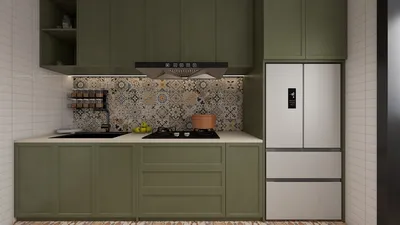


I create rooms inspired by heritage that evoke a sense of collection, tranquility, and practicality—ensuring they never appear as mere museum exhibits. The perfect blend of proportion, wear, and functionality can beautifully support a contemporary lifestyle while paying homage to history. When executed properly, the outcome is both sophisticated and durable, resonating emotionally with the occupants.
Research backs up this design philosophy. Findings from Steelcase demonstrate a link between well-thought-out, comfortable environments and enhanced well-being and performance, highlighting that spaces that balance focus, renewal, and connection lead to measurable satisfaction and efficiency. Additionally, the WELL Building Standard emphasizes the importance of quality lighting and materials in promoting occupant comfort and health, offering insights on circadian lighting, low-emission materials, and acoustics that can be seamlessly integrated into residential and hospitality designs.
Respecting Proportions: Rhythm and Sightlines
In heritage-inspired spaces, traditional proportions play a crucial role. I begin by analyzing the architectural features—ceiling heights, the rhythm of windows, and molding styles—and align key furniture placements with these elements. While symmetry generally imparts a calming effect, a sense of near-symmetry feels more relatable; for example, I might offset a mantelpiece with an antique etagere, counterbalancing it with a contemporary floor lamp. The most historic features, such as fireplaces and paneled walls, draw visual weight, while sleeker furnishings surround them. When creating seating arrangements, I strive for a distance of 8-10 feet between facing sofas to facilitate conversation, ensuring coffee tables are 16-18 inches from the seats. Should you be considering various furniture layouts or traffic patterns, utilizing a simulation tool like Homestyler can be invaluable in visualizing designs while respecting architectural integrity.
Illuminating the Narrative: Managing Daylight, Color Temperatures, and Glare
Heritage rooms truly come alive with layered lighting. I prioritize natural light first—incorporating sheer fabric to soften harsh southern exposure, along with fuller linings to insulate historic windows while utilizing reflective ceilings (with a Light Reflectance Value of 80+ when appropriate) to enhance light distribution. For evening settings, I prefer warmth from 2700-3000K light sources, maintaining a high CRI to honor natural wood and textiles. Following IES guidelines, I aim for ambient lighting of 150-300 lux in living spaces, enhancing contrast with task lighting at 500-700 lux for reading areas. To combat glare—which detracts from the visual appeal of materials—I use shielded shades, lower fixture installations, and dim-to-warm LEDs, which help sustain the ambiance while supporting visual comfort.
Material Integrity: Blending Patina with Performance
The essence of heritage design is rooted in tactile authenticity—think oiled wood, limewash finishes, and unlacquered brass that gracefully develops a patina over time. I combine these with contemporary features that prioritize performance: such as stain-resistant mohair, resilient wool rugs, and lime-based paints that breathe on aged walls. For a sustainable approach, I specify low-VOC finishes and FSC-certified wood. It is essential to avoid synthetic surfaces that merely imitate age; refined, high-quality materials are the ideal choice. Incorporating a key antique element—like a dining table or armoire—can anchor a design without veering into nostalgia.
Interpreting Color Psychology Through a Historic Lens
Subdued hues stabilize traditional spaces. Rich greens and warm browns can lower arousal levels and promote restorative feelings, while soft blues create a calming environment; these insights align with color psychology principles correlating blue-green shades with reduced stress and enhanced cognitive performance. I often create a darker color palette (with cohesive walls and trim) to spotlight artworks and brass accents, or alternately, invert this by using lighter walls and darker flooring for an open atmosphere. Testing colors in varying light conditions—morning versus evening—can yield surprising impacts; warm whites (with LRV between 70-85) ensure crown details remain visible without washing out carved profiles.
Furniture Essentials: Blending Heritage Shapes with Modern Comfort
Comfort must always be prioritized. I embrace classic shapes—such as English roll-arm sofas, turned legs, and slipcovered Bergères—while ensuring foam densities and seat heights are tailored to ergonomic standards: typically 17-19 inches seat height and 20-22 inches seat depth. Plus, supporting lumbar features for reading chairs are essential. The art lies in fine-tuning upholstery with meticulous detailing while selecting durable, breathable fabrics. In dining areas, a height range of 28-30 inches for tables, with 10-12 inches of under-table clearance, accommodates most body types; armless chairs maintain a light visual presence along wainscoting.
Acoustic Comfort Without Compromise
Historic interiors can resonate with life. I enhance acoustic quality with layers of softness: wool rugs, lined drapery, and upholstered panels discreetly recessed between architectural elements. Bookcases with varied depths can disrupt standing waves while proudly displaying collections. In entertainment zones, using a dense underlay (8 lb felt or more) paired with velvet curtains around bay windows can significantly reduce reverberation, ensuring conversations are natural and that music retains a warm tone rather than sounding sharp.
Joinery, Trim, and the Value of Restraint
The scale of profiles should be proportionate to the room's dimensions—oversized crown moldings in an 8-foot space can create a visually top-heavy feel. I often restore or recreate lost profiles by tracing remaining sections and simplify overly ornate renovations. Paint-grade millwork can coexist harmoniously with original hardwoods if the reveals are clean and the hardware is authentic. When budgets are tight, I prioritize doors and casings—these elements are encountered daily, making them essential for aesthetic coherence.
Heritage Kitchens and Baths: Contemporary Yet Subtle
In kitchen spaces, framed cabinetry with inset doors reflects tradition while incorporating modern drawer slides and soft-close hinges for serene operation. Employing natural stone with honed finishes provides a gentle light quality; complement this with unlacquered brass or aged nickel that matures over time. In bathrooms, I blend classic tile motifs—such as basketweave and hex—with modern thermostatic controls and hidden storage solutions. Moreover, I maintain clean sightlines: eliminating clutter from surfaces and employing layered lighting, utilizing sconces installed at 60-66 inches above the floor, flanking mirrors for soft vertical illumination.
Curate, Don’t Crowd: Art, Literature, and Decorative Pieces
Heritage spaces benefit from storytelling. I arrange collections by material or theme—think black-and-white photographs in mismatched gilded frames, earthenware artworks displayed on deep window sills, and botanical prints hung above seating areas. Allowing for negative space within arrangements is key. I leave room above chair rails and maintain a selective approach to mantel decorations: showcasing one primary piece supported by two secondary items, with none so tall that they disrupt the visual lines of the crown molding.
Crafting Flow and Flexibility in Layouts
Older properties often feature enfilades or closely arranged parlors. I strive to sustain long sightlines, ensuring thresholds align while keeping bulkier furniture out of central pathways. Floating the sofa can clear wall space for additional storage or art displays; console tables behind seating can hold lamps and conceal charging stations. Before making any decisions, I use Homestyler to model various layout options to evaluate pathways, space requirements, and conversation distances without the hassle of moving furniture repeatedly.
Lighting Layers in Real-world Applications
A conventional heritage living room design typically includes warm, dimmable ceiling fixtures (where applicable), a pair of shaded sconces, a reading lamp adjacent to each chair, and a small table lamp to illuminate the center. Distinguishing task and accent lighting on separate circuits is advisable. The goal is to create a 3:1 contrast between focal points and ambient light to add depth without causing glare. Incorporating candles or flameless taper candles on the mantel offers a soft, atmospheric touch during the evening.
Integrating Technology with Sensitivity
I cleverly conceal modern necessities in plain sight: fabric-covered speakers, media storage behind pocket doors, and organized cord management within cabinetry. Smart home controls are seamlessly integrated into discreet, paint-matched plates. If a television must coexist alongside historic wood elements, I suggest mounting it on a dark, back-painted panel to ensure it visually recedes when not in use.
Frequent Mistakes and How to Steer Clear of Them
- Over-renovating original features; prioritize preserving elements that tell the story—doors, mantels, and staircase components—before opting for new finishes.
- Mixing too many design styles at equal importance; select one key historical theme, then layer in complementary elements.
- Utilizing overly bright lighting temperatures; opt for warmer LED sources with a high CRI to maintain respect for materials.
- Overlooking ergonomic considerations; visually appealing furnishings can become ineffective if they do not provide adequate comfort.
- Cluttered decorations; aim for editing and scaling—allow the architecture to lead the aesthetic.
Frequently Asked Questions
Allow original architectural features—such as fireplaces, trim, and windows—to serve as primary visual elements, integrating modern functionalities in less prominent planes. Built-in storage in shallow niches, concealed charging points in consoles, and dimmable lighting enhance utility without visual chaos.
Utilize 2700-3000K lighting for a warm, inviting feel similar to candlelight. Maintain a CRI of 90+ for accurate representation of wood grain and textiles. In work zones, add 3500K task lighting cautiously where clarity is critical.
Aim for 36 inches in width for primary pathways and 24-30 inches for secondary routes. Keep seating distance from coffee tables to 16-18 inches and maintain 8-10 feet spacing in conversation groupings for ease of dialogue.
Utilize materials such as oiled hardwoods, unlacquered brass, bronze, natural stone with honed finishes, as well as wool, linen, and lime-based paints. These selections develop a beautiful patina instead of appearing aged prematurely.
Incorporate layers of lined drapery, wool rugs atop a sturdy underlay, bookcases with varying depths, and upholstered seat backs to enhance acoustic qualities. Utilizing soft window treatments around bay areas considerably reduces echo.
Integrate technology tidily into cabinetry or place it on a dark back-painted panel. Balance with artwork or concealed doors to make it a cohesive part of the space rather than an awkward focal point.
Absolutely—panel-ready appliances, discreet ventilation systems, and framed cabinetry create a unified aesthetic. Opt for classic hardware styles in finishes that naturally evolve.
Set sconces at a height of 60-66 inches above the floor, spaced 26-30 inches apart, utilizing 2700-3000K lamps with a high CRI. Incorporate a soft ambient source on a separate dimmer to facilitate evening rituals.
Employ near-symmetry, lighter furnishings with legs, and subtly contrasting colors in walls and trims. Position mirrors across from windows and use appropriately scaled rugs (with front legs of furniture on them) to maintain a balanced yet open space.
Incorporating various time periods is possible; contemporary artwork against traditional millwork creates an engaging tension that feels current. Maintain consistent frame styles within groupings while honoring significant sightlines.
Yes, but limit to two color families—warm tones (like brass and bronze) alongside cool tones (such as nickel and pewter). Anchor the palette with the primary finishes found in architectural hardware while using the secondary tone as an accent.
Position curtain rods high and wide to highlight trim, interline for fullness, and select natural fibers. Sheer panels soften daylight, while heavier fabrics enhance thermal and acoustic comfort.
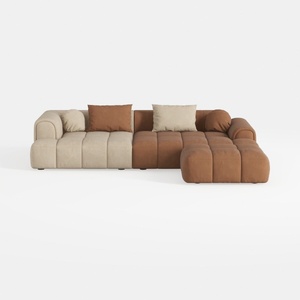
Modern Velvet Sectional Sofa, U Shape Minimalist M
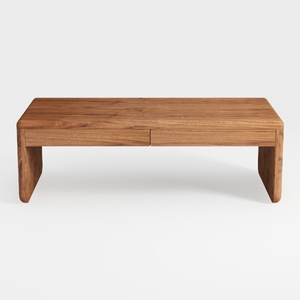
Minimalist Solid Wood Two Drawer Coffee Table 3D Model
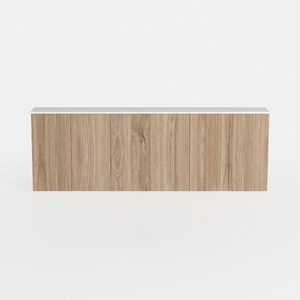
Fluted Sideboard Buffet Cabinet with Storage,
Homestyler is your go-to online home design platform. With an easy-to-use design tool and stunning 3D renderings, you can turn your creative visions into reality. Explore inspiring design projects and learn through DIY video tutorials—everything you need to create your dream space is right at your fingertips!
Дизайн сейчас бесплатно
































