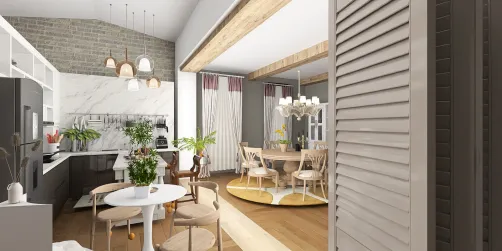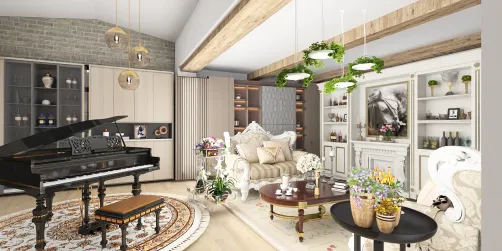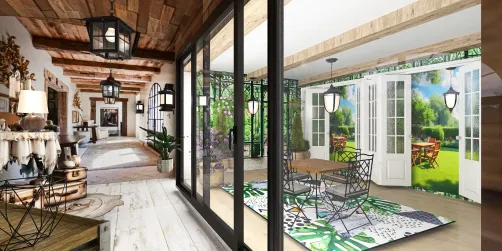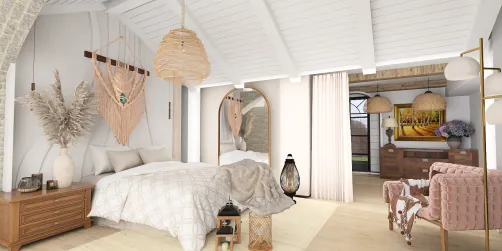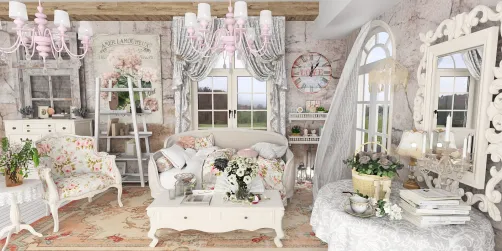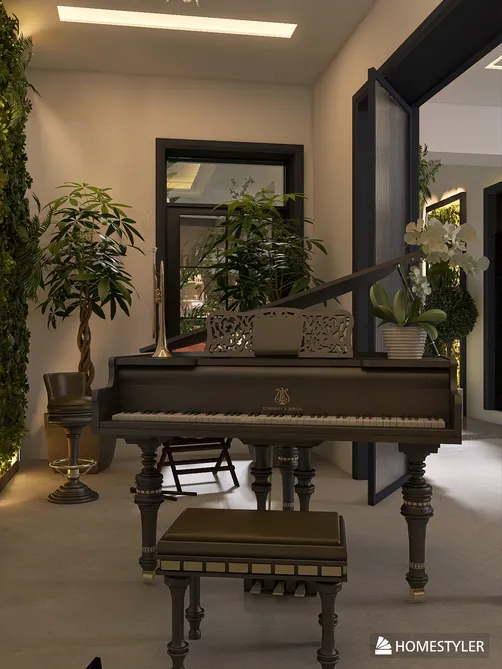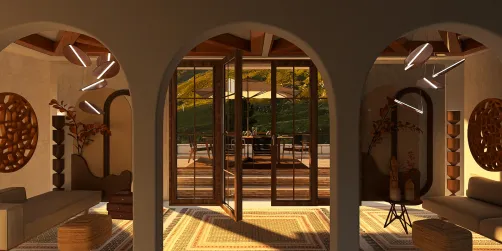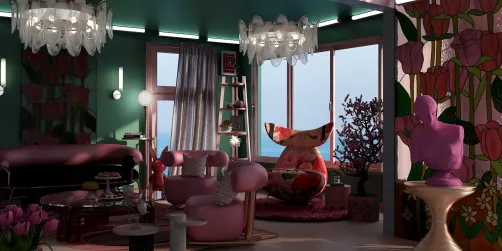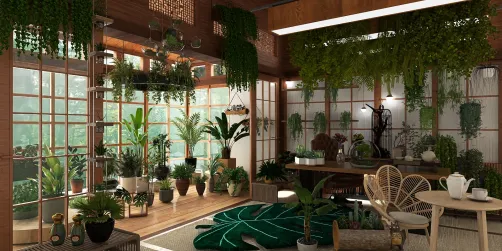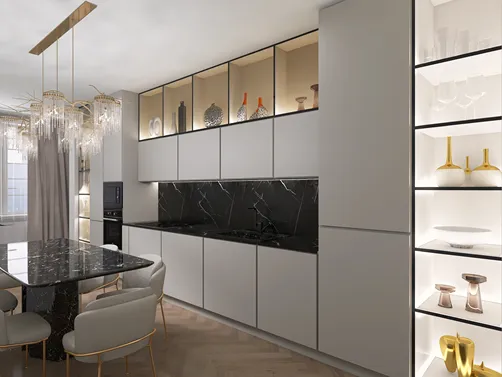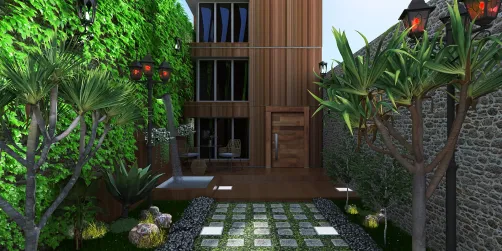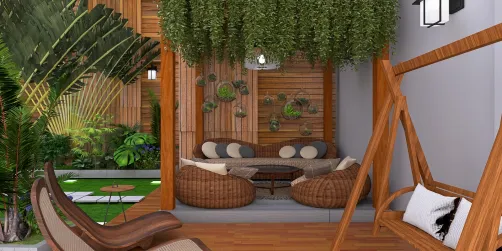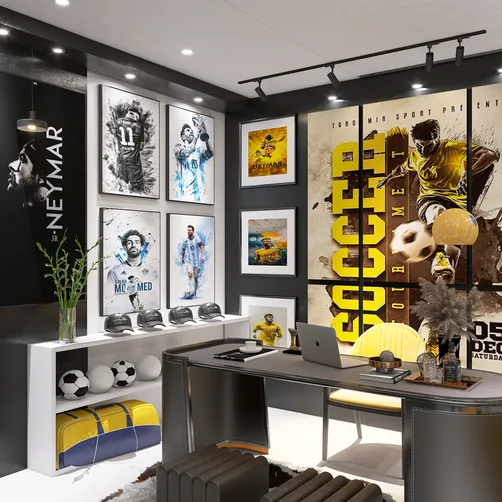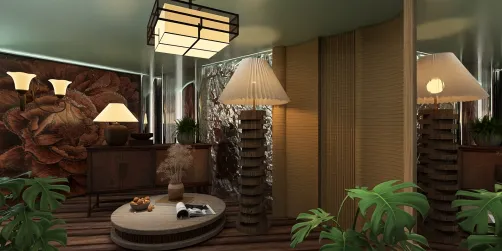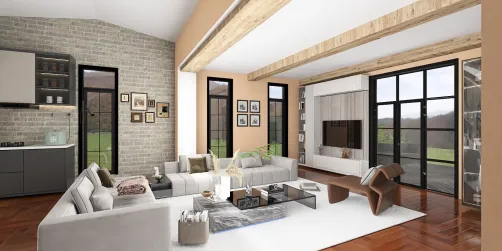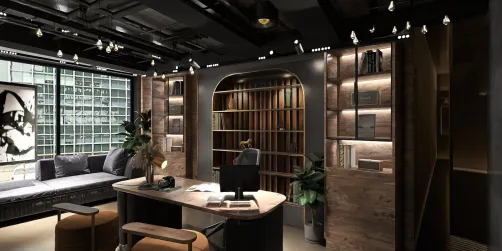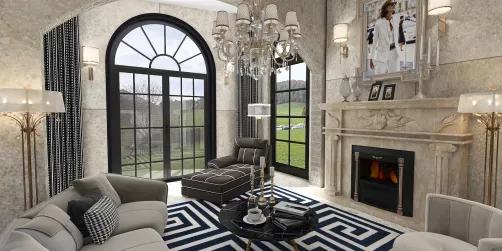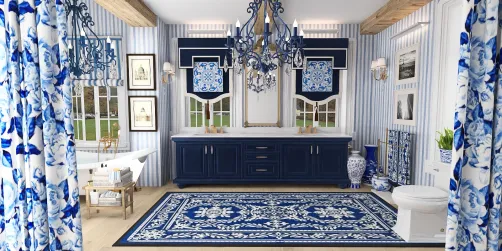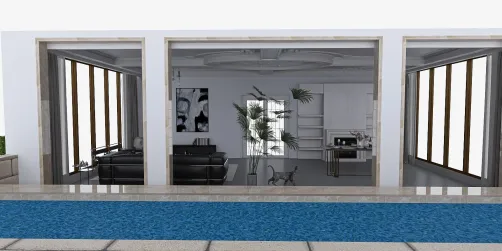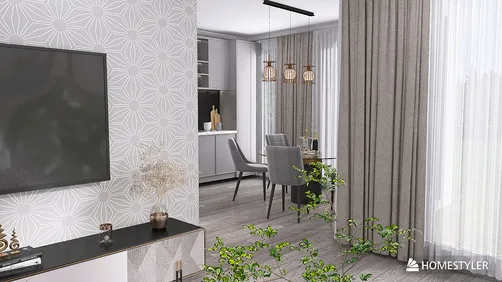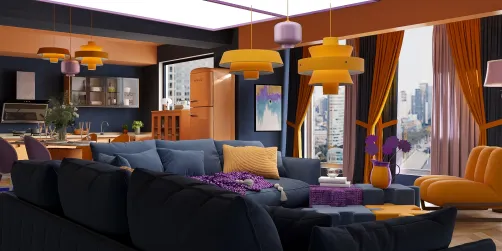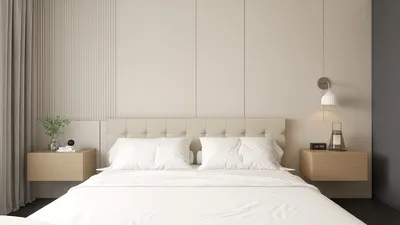
Transmitted light is defined as light that travels through a specific material or medium. Unlike reflected light, which bounces off surfaces, transmitted light can either be absorbed by or change as it moves through the material. For instance, when sunlight streams through a window, it serves as a perfect illustration of how transmitted light operates.
Understanding Transmitted Light:
When light interacts with an object, it has multiple outcomes: reflection, absorption, or transmission. Materials such as glass, clear plastic, and water facilitate the passage of light with minimal obstruction. This characteristic can significantly influence your interior spaces by enabling natural light to brighten areas while preserving privacy.
The Role of Transmitted Light in Design:
In the realms of interior design and architecture, grasping the concept of transmitted light is vital. It shapes the atmosphere of spaces and can significantly boost their visual appeal. By selectively employing windows, skylights, or translucent elements, rooms can be transformed to feel brighter and more expansive. Achieving the ideal balance of light, shadow, and transparency is key to accomplishing your design objectives, and tools like Homestyler can be invaluable in this process.
Advantages of Utilizing Transmitted Light:
1. Elevates mood and ambiance by maximizing the intake of natural light. 2. Decreases dependence on artificial lighting, encouraging sustainability and energy efficiency. 3. Fosters a sense of proximity to nature, which can enhance overall well-being. 4. Increases visual comfort and minimizes eye strain through the provision of soft, diffused lighting.
Best Practices for Incorporating Transmitted Light:
To effectively incorporate transmitted light in your design, consider the following strategies: 1. **Select Appropriate Materials:** Opt for high-grade glass or acrylic to enhance light transmission and diminish glare. 2. **Utilize Positioning and Angles:** Arrange windows and skylights to effectively harness sunlight throughout the seasons. 3. **Combine Lighting Designs:** Merge natural light with artificial illumination to establish a harmonious and welcoming environment. 4. **Introduce Translucent Partitions:** Use frosted glass or fabric panels to divide spaces while preserving an airy feel.
Frequently Asked Questions
Q: Which materials best enhance transmitted light? A: Glass, sheer drapery, and light-diffusing panels are ideal for maximizing light transmission. Q: How can I maintain privacy while optimizing transmitted light? A: Utilizing frosted glass or sheer textiles allows light to enter while obstructing views from outside.

Discover the ultimate online home design experience with Homestyler! Unleash your creativity using its powerful design tool, explore stunning 3D renderings, and browse an array of inspiring design projects. Plus, dive into handy DIY video tutorials to transform your ideas into reality effortlessly!