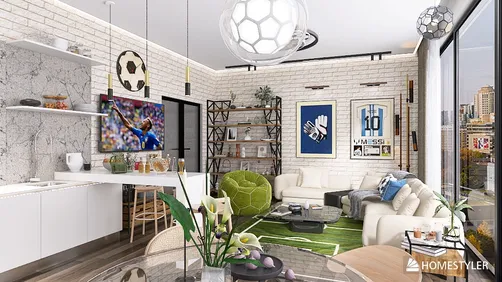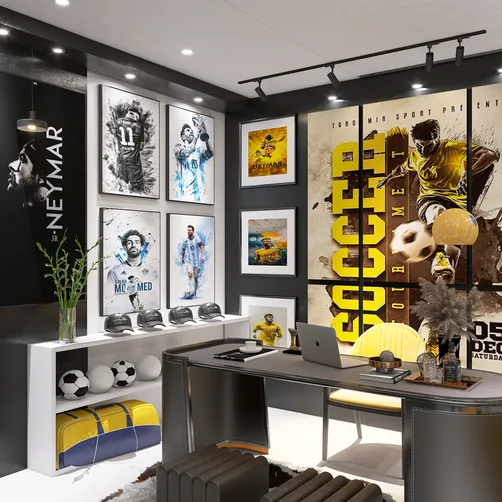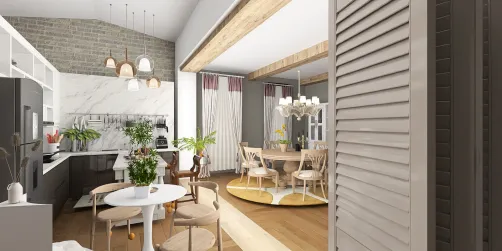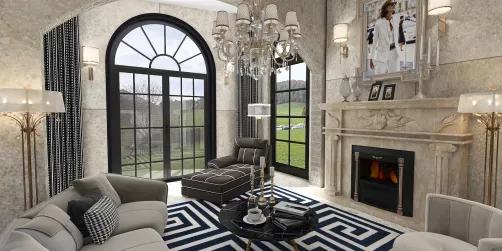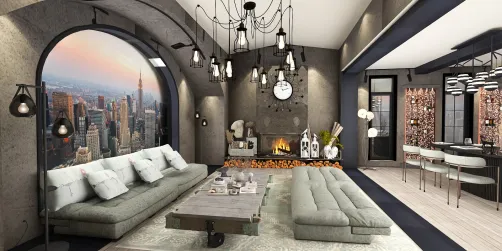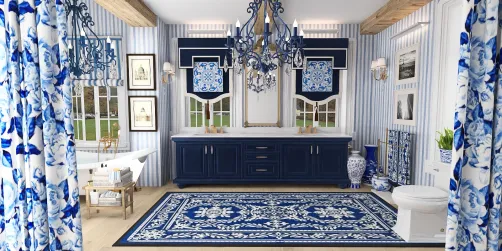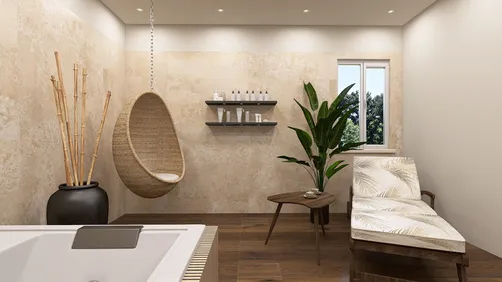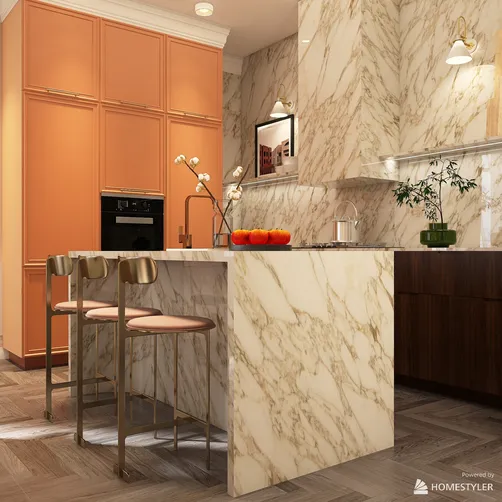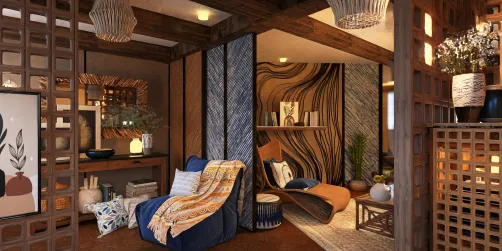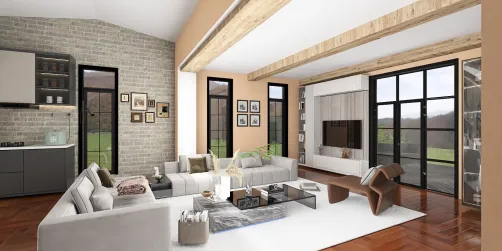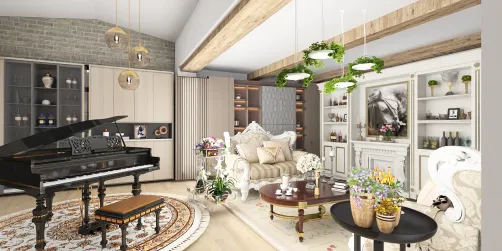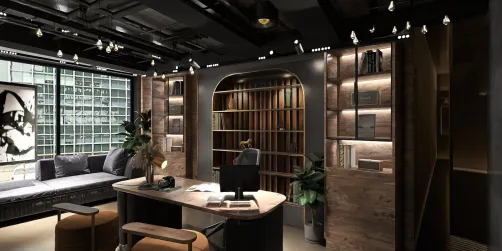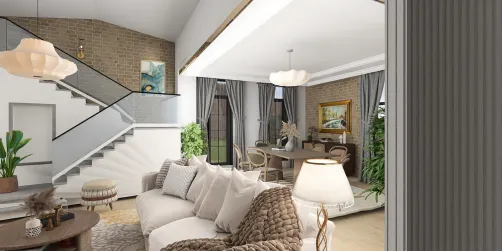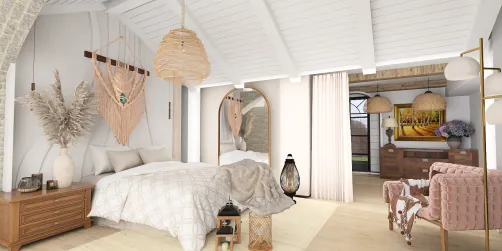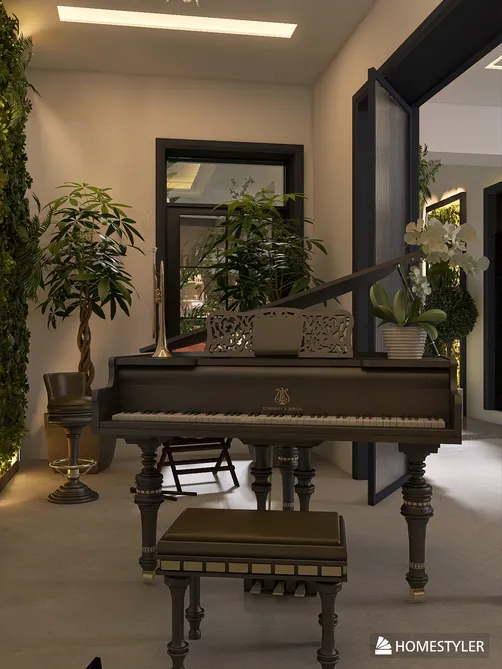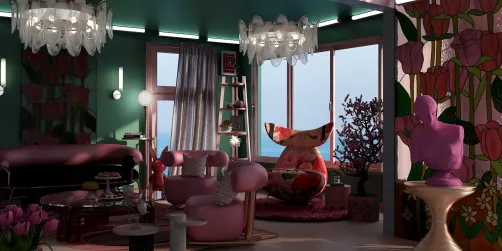
The lifestyle of tomorrow is rapidly approaching, yet current renters are still navigating challenges such as noise, limited storage, and disjointed routines. According to Zillow, adaptable layouts are linked to greater tenant satisfaction, and my design philosophy regards distinctive apartment floor plans as preliminary blueprints for a more serene and flexible living experience. In this regard, each unit acts as a tactile operating system where daily routines come together. My spatial reasoning skills inform my design decisions, creating a flow akin to a well-executed program, with furniture functioning like precise APIs. In my approach, I’m constantly evaluating upcoming lifestyle trends against the limitations of today’s living spaces, empowered by tools like Homestyler.
Hybrid Gallery One-Bed: Long Axis with Pivot Node
Design Logic: A linear structure coordinates living, dining, and a pivotal studio area; future work-play hybrids demand smooth transitions without disarray.
Flow: The layout flows from entry to storage wall, then to living area, pivoting studio, and finally to the sleeping zone; activities move seamlessly from left to right, minimizing context shifts.
Sightlines: A framed long sightline leads to windows; partial-height partitions create layers within the user interface, maintaining a clear horizon while providing status cues.
Storage: A comprehensive cache wall with deep and shallow compartments; overhead modules situated near the entry help manage daily influxes, reducing delays.
Furniture Fit: A 72–84 inch sofa, a 30-inch adaptable table, and a folding desk API; all designed to ensure unobstructed 36-inch pathways for easy navigation.
Verdict: Five years down the line, the pivotal zone will accommodate remote work, personal hobbies, and micro-wellness activities, ensuring the layout remains organized and low-stress.
save pinOpen in 3D Planner Processing...
Looping Studio: Ring Circulation with Core Utilities
Design Logic: A continuous loop encompasses the kitchen and bathroom core, preventing routines from coming to a halt; future micro-units will benefit from non-blocking cycles that allow for recoverable focus.
Flow: The layout moves from the entry, along the kitchen edge to the lounge, then into the sleeping alcove, followed by the wardrobe and bathroom before returning to the entry; it’s a circular design that avoids congestion.
Sightlines: Low shelving serves as visual markers; the eye roams in arcs, allowing one to see the status of different areas without full exposure of private spaces.
Storage: A radial storage strategy with corner towers and under-ledge bins; seasonal items are stored at the outer edges, while everyday essentials are easily accessible at the core.
Furniture Fit: A 60-inch modular sofa, a queen bed with 12-inch clearance drawers, and nesting tables; all components adhere to the circular layout’s width requirements.
Verdict: This layout keeps energy flowing; as schedules evolve, the studio adapts much like firmware updates rather than requiring extensive renovations.
save pinOpen in 3D Planner Processing...
Split-Dual Suite: Offset Bedrooms with Shared Flex Kernel
Design Logic: Two shifted bedrooms flank a central shared space; contemporary co-living models require private zones paired with a communal yet programmable area.
Flow: The sequence goes from entry to flexible core, merging into the kitchen, then on to bedroom A, bedroom B, and out to the terrace; workflows synchronize at the core before diverging safely.
Sightlines: Adjacent views are staggered to minimize noise interference; translucent panels convey information while maintaining privacy.
Storage: Mirrored wardrobes plus a central credenza; a hierarchy in storage keeps individual belongings distinct from shared tools, preventing conflicts.
Furniture Fit: A 36-inch dining ledge, two 48-inch desks, full/queen beds, and compact lounge units; each section is designed with functional door swings and 40-inch paths in mind.
Verdict: Over time, this core area can evolve into a studio, library, or wellness zone, effectively adapting to the needs of roommates, partners, and various life stages.
save pinOpen in 3D Planner Processing...
Final Takeaway
Distinctive apartment floor plans function as living interfaces, translating daily routines into well-structured sequences and reliability buffers. Variants—from looping studios to offset dual suites—exemplify the principles behind adaptable layouts and flexible space planning. Future demands, such as designated areas for remote work and wellness, are effectively integrated into this framework. In my experience, the most sophisticated homes of the future won't necessarily be larger, but rather more thoughtfully designed, often utilizing tools like Homestyler to bring these visions to life.

Discover the joy of home design with Homestyler! This user-friendly online platform features an intuitive design tool, stunning 3D rendering, countless design projects, and helpful DIY video tutorials. Bring your vision to life, whether you're a beginner or an expert!