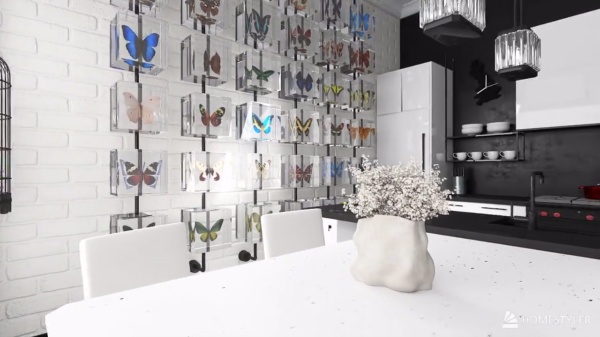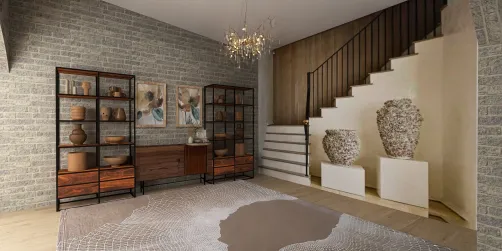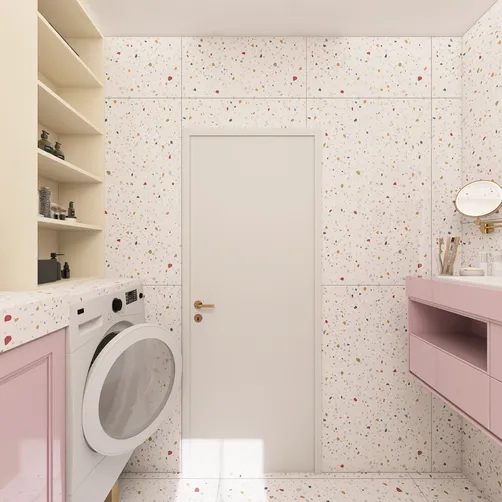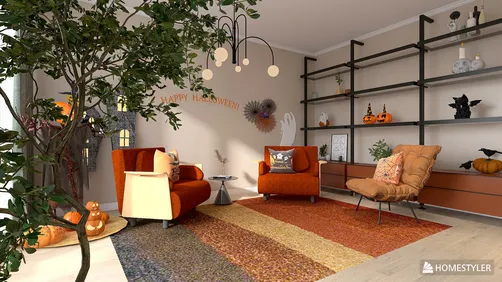
The future of living is increasingly influenced by today's challenges such as escalating utility expenses, hectic schedules, and concerns over storage. Recent industry studies indicate a rise in smaller homes; data from NAHB highlights a sustained interest in compact living spaces that maximize functionality. In response to these pressures, a thoughtfully designed floor plan for a 20 x 40 one-bedroom home emerges as a guide for cultivating new lifestyle habits, enabling us to manage energy efficiency, privacy, and digital integration. The future is approaching, and I envision it through the lens of tools like Homestyler for spatial planning.
Long Axis Split: Front Social, Rear Quiet
Design Logic: The 20×40 space is effectively divided into a social area at the front and a private retreat at the back, preserving community interactions while preparing for the needs of hybrid work environments in the future.
Flow: The journey begins with the entryway leading to a micro-mud zone, flowing into an open living and kitchen area, leading to a short hallway, then to the bathroom, and finally reaching the rear bedroom. This structured sequence minimizes traffic movement.
Sightlines: The alignment from door to window creates a navigational path, showcasing the living space first and gradually transitioning into privacy.
Storage: A continuous hallway design incorporates an 18-inch deep wall storage, with toe-kick drawers and a vertical pantry providing immediate access to items, enhancing organization.
Furniture Fit: A 76-inch sofa, a 36×72 dining table, and a queen bed situated centrally with a 24-inch clearance ensure that circulation remains unobstructed.
Verdict: This design approach prioritizes privacy and seamless daily routines, ensuring that guest areas do not intrude upon sleeping spaces over the next five years.
save pin
Central Core: Service Spine with Perimeter Rooms
Design Logic: Positioning the kitchen, bathroom, and HVAC systems as a centralized service core maximizes natural light in the living and bedroom areas—streamlined for efficiency and future upgrades.
Flow: The layout begins from the entryway, moving through a living area that loops around to the core kitchen, passes the bathroom, and concludes in the bedroom. This circular design minimizes dead ends, enhancing connectivity.
Sightlines: Windows around the perimeter serve as visual indicators of status, while the core area remains opaque, maintaining a balanced and coherent aesthetic.
Storage: The core area accommodates stacked laundry and modular storage solutions, while the perimeter features niche shelves acting as distributed storage points.
Furniture Fit: A wall-mounted media unit set at 60 inches, a 90-inch modular sectional, and a platform bed with under-bed storage ensure information flow remains efficient.
Verdict: As technology advances and home appliances become smarter, this design approach consolidates operational upgrades while keeping living spaces serene and illuminated.
save pin
Diagonal Read: Corner Living, Offset Bedroom
Design Logic: Angling the living space towards a bright corner and offsetting the bedroom enhances spatial perception within the 20×40 framework.
Flow: The pathway begins at the corner entry, transitions into a diagonal living area, continues through the galley kitchen, proceeds down an angled hall, through the bathroom, and ends in the offset bedroom; this fluid movement invokes dynamic energy.
Sightlines: Diagonal views create layers of information—foreground lounge, mid-kitchen, and distant sleeping area—establishing a clear hierarchy without overwhelming the senses.
Storage: Innovative triangular linen closets and corner pantries convert odd spaces into valuable storage areas; sliding doors help maintain the flow.
Furniture Fit: A compact 30×60 dining table fits perfectly with the diagonal design, alongside a 9-foot media wall, while the queen bed is strategically placed at an angle to optimize space; such arrangements become the underlying structure of the home.
Verdict: This geometric approach will withstand the test of time, transforming smaller spaces into impressions of expansiveness while ensuring daily routines remain unencumbered.
save pin
Final Takeaway
A floor plan designed for a 20 x 40 one-bedroom unit transcends mere blueprint specifications, acting instead as an interface that orchestrates movement, light, and storage into a coherent system. The variations in layout—whether a long-axis split, a service spine, or a diagonal view—represent different strategies to tackle the same fundamental challenge: optimized living in smaller spaces. From my perspective, the smartest future homes won’t necessarily be larger, but rather more intentional, as I continually design them using tools like Homestyler for clarity and efficiency.

If you're looking to create your dream home effortlessly, try Homestyler! This intuitive online design tool offers stunning 3D renderings and a wealth of design projects. Plus, with easy-to-follow video tutorials, you'll gain the skills to bring your vision to life in no time!