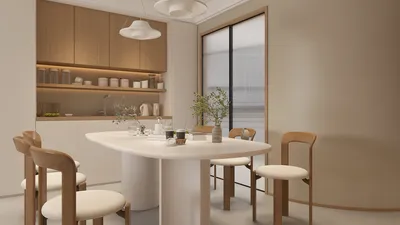


Incorporating fresh florals into your living room adds vibrancy, color, and a seasonal touch, but effective floral decor transcends merely arranging blossoms in a vase. When creating these arrangements, I take into consideration factors such as light levels, color psychology, circulation paths, and sound absorption to ensure the space feels harmonious rather than cluttered. Research has shown that by adhering to the WELL Building Standard v2, visual connections to nature through plants and floral motifs can significantly reduce stress and enhance well-being in indoor settings. This makes floral design not just an aesthetic choice, but a crucial aspect of functional wellness in interiors, just as tools like Homestyler can help visualize these designs effectively during the planning stage.
The choice of colors is as crucial as their placement. An overview from Verywell Mind explains that warm shades like reds and corals can stimulate energy and focus, whereas cooler tones such as blues and greens have a calming effect on the nervous system. For instance, vibrant coral peonies can invigorate your social areas, while serene blue hydrangeas might be better suited to a quiet reading nook. Effective lighting is essential; the Illuminating Engineering Society (IES) suggests maintaining light levels of 150–300 lux for living spaces because inadequate lighting can cause white petals to look flat and colored flowers to appear dull. I typically keep ambient lighting around 200 lux, complementing it with focused accents (300–500 lux) to spotlight key floral arrangements without creating glare.
Define Your Room's Purpose
Flowers should align with the function of the space they inhabit. If your living room acts as a hub for social interaction, vibrant flower arrangements featuring ranunculus, tulips, and anemones will foster a lively atmosphere. Conversely, for a more serene retreat, consider softer florals like garden roses, lisianthus, or eucalyptus to promote relaxation. I assess the primary functions of the room—be it conversation, reading, watching media, or play areas—and position floral displays to enhance visual flow rather than disrupt activities.
Harmonize Color and Temperature
Balance the colors of your flower petals with existing room finishes. Warm wood and brass furnishings complement saturated flower varieties like marigolds, dahlias, and peonies seamlessly. On the other hand, spaces with cool metallics, gray fabrics, and stone accents pair well with cooler floral options such as delphiniums, hydrangeas, and hellebores. When a color combination appears flat, I enrich the palette with a seasonal stem accent that constitutes around 10–20% of the overall color scheme, adding depth without overwhelming the space.
Utilize Natural Light Wisely
Natural light changes throughout the day, which is why I avoid placing floral arrangements where they will be subjected to direct sunlight for extended periods; this can hasten wilting and create stark contrasts. I typically position main arrangements near windows but slightly off-center to minimize harsh lighting, and employ diffused spotlights to gently illuminate the flowers without overwhelming glare. If you are unsure about your room’s layout, using a layout simulation tool such as Homestyler can help you visualize how a floral focal point will interact with the furniture and space.
Consider Scale and Proportion
Floral arrangements should respect the dimensions of your space: for tables, keep arrangements at 1/3 to 1/2 the height of your eye level when seated, ensuring sightlines remain unobstructed. For mantels or consoles, vary the heights following the golden ratio of 1:1.6 to establish visual equilibrium—tall elements provide structure, medium blooms offer body, and small buds introduce intricate details. In tighter spaces, replace one large arrangement with three smaller clusters strategically placed to guide the eye without adding visual clutter.
Blend Texture, Form, and Rhythm
Combine different petal structures as you would layer fabrics. Begin with a statement bloom (like peonies or dahlias) as your focal point and fill in with volume-generating stems (such as spray roses or ranunculus) and lighter elements (like waxflower or delicate ferns) to soften the edges. Repetition within your arrangements creates rhythm; using the same flower type in two separate zones can help unify the room’s design. I often repeat types of foliage across both arrangements and textiles—for instance, integrating olive branches with a green throw—to create a singular, cohesive composition.
Consider Fragrance and Comfort
The power of scent is personal and can greatly influence your living space. Strongly aromatic flowers like stargazer lilies or gardenias may be overwhelming in small areas or for guests who are sensitive to scent. Therefore, I recommend lightly scented flowers such as freesias or hyacinths in moderation, or opting for unscented varieties like dahlias and ranunculus. It's also advisable to position strongly scented stems away from HVAC outlets to prevent uneven scent distribution.
Acoustic Enhancements
While flowers themselves aren’t acoustic treatments, their foliage and accompanying textiles can help diffuse high-frequency sound reflections, particularly in rooms featuring hard surfaces or glass. By clustering a floral arrangement with soft items such as table runners, books, and textured vases, you can subtly reduce sound echoing without needing to alter any structural elements.
Sustainable Practices for Care and Maintenance
Select seasonal, locally sourced blooms whenever possible to minimize your carbon footprint. Properly condition flowers by ensuring sharp diagonal cuts, clean water, and the removal of submerged leaves. I advocate for swapping out water every other day and refreshing stem cuts at a 45° angle to prolong their longevity. If waste is a concern, consider using potted plants—like orchids, mini roses, or herbs—which can provide continuous greenery with less frequent replacements.
Effective Placement Tips
- Coffee table: Keep arrangements under 9–10 inches to preserve sightlines for conversation.
- Console and mantel: Stagger heights, using a tall branch offset by two medium pieces to achieve asymmetry.
- Bookshelves: Place small arrangements in bud vases to offer decoration without sacrificing storage.
- Corners: Introduce vertical branches like forsythia or quince to enliven empty spaces and draw the eye upward.
- Window ledge: Select hardy, draft-resistant flowers such as anemones or tulips in short trough vases.
Beyond Fresh Flowers: Floral Motifs
When maintenance becomes challenging, consider incorporating floral themes through prints, wallpapers, ceramics, or artwork. A soft botanical print can evoke the essence of fresh blooms without the need for regular upkeep. I use these elements as enduring features in my decor, rotating in fresh stems seasonally for subtle updates.
Insights from Data-Driven Design
Biophilic design principles, which foster connections with nature, contribute to reducing stress and enhancing well-being, as outlined by the WELL v2 framework. When choosing colors, adhere to the psychological responses outlined in research—warm colors can energize, while cool tones promote calm—summarized effectively by Verywell Mind’s color psychology insights. Additionally, ensure that ambient lighting stays within the IES's recommended levels for living spaces to ensure accurate floral color presentation and to minimize visual fatigue.
For further exploration of workplace and environmental research associated with biophilic design principles and recommended strategies for natural integration and lighting, consider utilizing robust design tools like Homestyler.
Frequently Asked Questions
Q1: What flower colors are ideal for a vibrant social living room?
A: Warm, saturated colors such as coral peonies, orange ranunculus, or yellow dahlias are perfect for energizing conversation spaces. As noted by Verywell Mind, warm shades enhance attention and engagement, making them appropriate for lively social settings.
Q2: How bright should lighting be to ensure floral colors are appreciated?
A: Aim for ambient light levels between 150-300 lux (as per IES recommendations for living areas) and use accent lighting of 300-500 lux for complex floral arrangements. Ensure the light is diffused to minimize glare and harsh shadows on the petals.
Q3: Which flowers are suitable for homes with fragrance sensitivities?
A: Flowers like dahlias, ranunculus, and hydrangeas typically feature mild scents. For a hint of fragrance, consider adding freesias or stock in limited quantities, ensuring they're positioned away from HVAC returns.
Q4: How do I ensure coffee table arrangements are appropriately sized to maintain clear sightlines?
A: Keep arrangements below 9–10 inches in height and utilize wider, shallow bowls. This ensures the display remains below eye level to facilitate unobstructed conversations.
Q5: What is a sustainable approach to floral design?
A: Opt for seasonal and locally sourced flowers, properly prepare them to extend their lifespan, and consider rotating potted plants—such as orchids, mini roses, and herbs—that require less frequent replacement cycles. Compost as much spent floral waste as possible.
Q6: How can flowers help with acoustics in a room with hard surfaces?
A: Combine arrangements with softer elements like table runners, mats, and textured vases to disrupt sound reflection paths. While these arrangements can complement sound design efforts, they do not replace the need for dedicated acoustic treatments.
Q7: How can I prevent my flowers from wilting quickly?
A: Position flowers out of direct sunlight and away from heat sources or air vents. Placing arrangements slightly off-axis from windows with diffused lighting extends their freshness and vibrancy.
Q8: How can I integrate flowers into a cool-toned decor scheme?
A: Lean into cooler flower varieties such as delphiniums, hydrangeas, and hellebores, combined with silver-green foliage like eucalyptus. Use matte ceramic vases to complement the cooler finishes in the room.
Q9: Can I use floral prints to substitute for fresh flowers?
A: Absolutely! Consider botanical textiles, art, or wallpapers as lasting accents, while supplementing with small fresh arrangements intermittently to keep the decor dynamic without cumbersome maintenance.
Q10: How many floral arrangements are ideal for a medium-sized living area?
A: Generally, two to three arrangements work well—one focal point near seating areas, and one or two smaller accents on shelves or consoles to establish rhythm without cluttering the space.
Q11: What types of vases are most versatile for floral arrangements?
A: Cylindrical vases suit linear flowers like tulips and delphiniums, while footed bowls are perfect for low, lush arrangements such as ranunculus and garden roses, and narrow-necked bottles elevate single stems or small branches beautifully.
Q12: How can I avoid color chaos in my floral displays?
A: Limit your selections to one main color alongside a supporting tone, plus a 10-20% accent of another hue. Repeating similar foliage across arrangements helps unify the overall color palette.

Fluted 9 Drawers Dresser, 59.1" Wide Modern Chest



Modway EEI-6401-IVO Oasis Upholstered Fabric Sofa,
Homestyler is your go-to online home design platform! With its user-friendly design tool, stunning 3D renderings, and a wealth of DIY video tutorials, you can bring your dream space to life effortlessly. Transform your interiors with inspiring design projects today!
Дизайн сейчас бесплатно
































