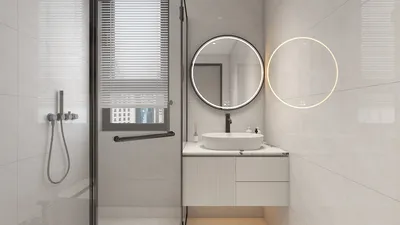


I still chuckle at the day I arrived at a client's compact studio and instinctively grabbed 60-grit sandpaper — the wall resembled a feline's playground. After a bit of emergency patching and some calm communications, I came to understand that sanding requires a mix of patience and strategy. Before diving in, I recommend visualizing how the final surface should appear, which helps determine the desired smoothness.
Tip 1: Choose the appropriate grit for your project
My usual approach starts with 80–100 grit for tackling heavy bumps or outdated textures, followed by 120–150 grit for general smoothing, and concluding with 220 grit for a surface ready for painting. Coarser grits quickly remove material but can leave noticeable scratches, while finer grits polish surfaces, demanding more time. Smaller tasks may only require two steps, while larger walls benefit from the complete sanding progression.
save pin
Tip 2: Prepare and protect beforehand
Begin by laying down drop cloths, removing or taping over trim and outlets, and sealing off adjacent rooms, especially if you're in an apartment. Dust is the true adversary here — it infiltrates your paint, hair, and even your coffee. I consistently tell clients that taking the time to safeguard finishes pays off significantly when it comes to easy cleanup.
save pin
Tip 3: Hand vs. power sanding
Hand sanding with a sanding block provides better control on corners and patched areas, while an orbital sander speeds up the process on flat surfaces. While power sanders are great for large spaces, they can create more dust and potentially gouge the surface if used recklessly — treat them as serious tools, not toys. Utilizing tools like Homestyler to see before-and-after 3D renders can effectively set realistic expectations for how smooth a wall should be.
save pin
Tip 4: Technique counts — sand wisely, not forcefully
Always use long, even strokes along the wall's plane and maintain flat pressure when sanding. For seams and specific areas, wrap the sandpaper around a small block to ensure even pressure. A damp microfiber or tack cloth after sanding effectively removes fine dust without needing to sand again; one of my favorite cost-effective upgrades is to stock up on disposable tack cloths.
save pin
Tip 5: Clean, prime, and review
Use a vacuum with a brush attachment to remove dust, wipe with a tack cloth, and then apply a stain-blocking primer on the patched areas. For humid rooms like bathrooms, it’s advisable to choose a moisture-resistant primer. If you're refinishing a wet area, refer to a bathroom renovation case for guidance on sequencing. Skipping the primer may lead to issues with sheen and adhesion later, so it's not a step to be rushed.
When working in confined spaces, it's essential to be organized and efficient; sanding is no exception. With the correct grit, adequate protection, and a composed technique, you'll achieve a flawless foundation without any turmoil. From my messy-cat-60-grit story, remember: always test your grit on a sample piece first.
save pin
FAQ
Q: What grit sandpaper should I start with?
Begin with 80–100 grit for significant imperfections, transition to 120–150 for smoothing, and finish with 220 for a surface ready to paint. If you’re dealing with lightly scuffed paint, starting at 150 might suffice.
Q: Is sanding necessary before priming?
Absolutely — light sanding improves primer adhesion, especially over glossy surfaces or patched areas. A final wipe with a tack cloth removes dust that could interfere with adhesion.
Q: Can I use a power sander in my apartment?
Yes, but ensure you use dust-collection methods and wear a mask; it’s also wise to choose a time when neighbors are less likely to be disturbed. While hand sanding takes longer, it is cleaner for small areas.
Q: How do I manage lead paint risks?
If your home was constructed before 1978, test for lead prior to sanding, as disturbing lead paint requires specific precautions. The U.S. EPA advises that homes built before this year could contain lead-based paint, so following their guidelines is crucial (https://www.epa.gov/lead).
Q: Is wet sanding a viable option?
Wet sanding can minimize dust and is beneficial for finalizing wood or certain fillers, but it is unsuitable for drywall as it may damage the paper facing. Use it only on appropriate materials.
Q: How should I remove sanding dust effectively?
Utilize a vacuum with a brush attachment, then wipe down with a damp microfiber cloth or tack cloth. Allow the wall to dry completely before priming and painting.
Q: What safety gear do I need when sanding?
Wear an N95 mask, eye protection, and gloves during extended sanding periods. For larger undertakings, a HEPA vacuum and a respirator are advisable; inhaling dust can pose health risks.
Q: How long does the sanding process take?
Duration can vary: a small patched wall might take 30–60 minutes; an entire room with multiple repairs may require several hours across different stages. Don’t forget to factor in drying and cleanup times in your schedule.
save pin
Homestyler's roots trace back to Autodesk, the global leader in design and engineering software. That heritage lives on in every feature we build. Today, with a community of more than 18 million users worldwide, Homestyler continues to make professional-quality interior design accessible to everyone — from first-time decorators to seasoned architects.
Discover your creative potential with Homestyler! This user-friendly online platform offers a powerful design tool, stunning 3D renderings, and a wealth of inspiring design projects and DIY tutorials. Transform your home effortlessly and see your vision come to life—perfect for both beginners and seasoned designers!
Дизайн сейчас бесплатно
































