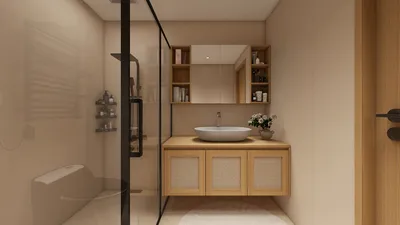


I once persuaded a client that a bedroom could thrive without a television—only for her to unveil one cleverly concealed in a cabinet during the reveal, making me realize the importance of movie nights. This little setback taught me that achieving tranquility in bedrooms relies on balance rather than rigidity, where minor adjustments can maintain a sense of serenity. If you're curious about how I planned that compact space, you can check out my designs created using Homestyler for visual aid.
1. Soft layered textiles
I enjoy beginning with textiles: a linen duvet, a light throw, and a low-pile rug can instantly soften both sounds and visuals. The key benefit is an immediate feeling of warmth; however, the challenge lies in laundering—natural fibers require delicate care, yet they age gracefully.
2. Calming color palette
I prefer muted shades—such as greige, dusty blue, and sage—since they diminish visual distractions and aid in calming the mind. One thing to note: overly flat color schemes may appear dull, so I incorporate a textured accent or warm wood to ensure the space remains inviting without overpowering.
save pin
3. Strategic lighting
I rely on a combination of lighting (ambient, task, accent) to manage the mood; adjustable dimmers and warm LEDs significantly enhance the atmosphere during bedtime. In compact layouts, it is beneficial to plan specific zones in the bedroom to position lights where they can best serve—be it for reading, dressing, or winding down.
save pin
4. Minimal, smart storage
Disorder disrupts tranquility, which is why I design smart storage solutions that keep everyday items out of sight yet easily accessible—consider under-bed drawers, a storage bench, or nightstands with shallow drawers. The advantage is a polished look, but it requires thoughtful planning and sometimes custom craftsmanship for a perfect fit.
save pin
5. Nature, scent, and small rituals
Incorporating a plant, a small diffuser, or a bedside book encourages rituals that signal relaxation. If you’re unsure about the mood, I often create 3D mockups using Homestyler to help visualize the space—this realistic layout and finish representation can help avoid costly mistakes.
save pin
FAQ
Q1: What makes a bedroom feel peaceful?
A: Soft textures, a subdued color scheme, adjustable lighting, and concealed storage collaboratively reduce both visual and sensory overload—these are simple elements I prioritize in every project.
Q2: How can I make a small bedroom feel larger?
A: Implementing vertical storage, light-reflective surfaces, and consistent flooring can enhance flow. Mirrors and multifunctional furnishings are small investments that yield substantial spatial returns.
Q3: Are dark colors acceptable for a peaceful bedroom?
A: Absolutely—rich hues can create a cocoon-like atmosphere if balanced with lighter fabrics and intentional lighting. The secret lies in contrast and texture to prevent the room from feeling flat.
Q4: How crucial is lighting color temperature?
A: Extremely important: warm lighting (2700K–3000K) aids relaxation, while cooler lighting is more suitable for tasks. Utilize dimming features whenever possible to adjust the ambience.
Q5: What plants are best for bedrooms?
A: Low-light, low-maintenance plants like pothos, snake plants, or ZZ plants are ideal—they demand little care and contribute to a calming environment. They also have a slight positive effect on air quality while providing a visual connection to nature.
Q6: How do I select bedding that combines comfort and style?
A: Focus on natural fibers—like linen or cotton—for breathability and softness over time; opt for neutral shades for durability, and add a seasonal accent for an affordable refresh.
Q7: Does temperature influence restful sleep?
A: Definitely. As per the National Sleep Foundation, cooler bedroom temperatures—about 60–67°F (15–19°C)—facilitate improved sleep by aiding your body in maintaining optimal temperature regulation.
Q8: Where should I begin if I’m budget-conscious?
A: Start by decluttering and acquiring a new duvet or rug—these can make a significant difference instantly. Incremental upgrades (like a lamp, curtains, or a plant) over time can create a tranquil room without overstretching your budget.
save pin
What began as an Autodesk innovation has evolved into a design platform used by more than 18 million people around the globe. Homestyler combines powerful rendering, an intuitive editor, and a vast furniture library to help you turn inspiration into photorealistic designs — whether you're redesigning a single room or planning an entire home.
Discover your inner designer with Homestyler! This user-friendly online platform offers a powerful design tool, stunning 3D renderings, and a wealth of DIY video tutorials. Whether you're tackling a small project or a complete home makeover, Homestyler empowers you to create beautiful spaces effortlessly.
Дизайн сейчас бесплатно
































