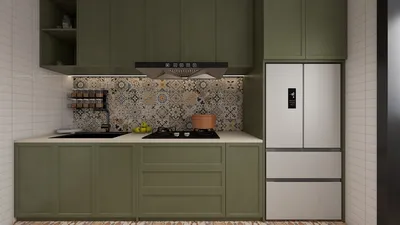


I once embarked on a project to paint a small rental kitchen for a client who believed we could skip the wall cleaning to save some time. Unfortunately, within just a few weeks, the paint began to peel in patches, leading me to return for touch-ups and sincere apologies. While smaller spaces can ignite creative inspiration, they can also amplify errors, and unclean walls can spoil even the most exquisite color selections. To explore effective solutions, I even experimented with some innovative AI suggestions about the project’s scope and materials, aligning well with platforms like Homestyler.
1. TSP or its substitute rinse
When it comes to an efficient cleaning agent, trisodium phosphate (TSP) is my preferred option: simply dilute it according to the instructions, scrub your greasy or nicotine-stained walls, and then rinse thoroughly. It’s both rapid and powerful, though it’s important to wear gloves and ensure good ventilation. Alternatively, I often mix household washing soda with water as a budget-friendly substitute.
save pin
2. Vinegar solution for light dirt and children’s fingerprints
For minor grime, I love using a 1:1 mixture of white vinegar and warm water — it effectively removes fingerprints and light scuff marks without harsh chemicals. However, while it doesn’t eliminate mold, it does leave a brief strong odor, so I make sure to wipe it down with clean water afterwards and allow the wall to dry completely.
save pin
3. Baking soda paste for spot cleaning
For tricky crayon, marker, or scuff marks, I create a paste using baking soda and water, gently scrubbing with a sponge. This method is abrasive enough to tackle spots yet gentle on the underlying paint. Always remember to test a small area first, as repeated scrubbing may dull glossy finishes.
save pin
4. Bleach or commercial mold remover for mildew
To address mildew, use bleach or a commercial mold cleaner — a diluted 1:3 bleach-to-water solution is usually effective: apply it, let it sit for a few minutes, scrub, and then rinse. It’s essential to follow CDC/EPA safety guidelines when using bleach and protect your trim and any plants. If the mold issue is extensive, calling in a professional may be necessary.
save pin
5. Degreasers and light sanding before priming
Kitchen walls are notorious for accumulating grease; using a diluted household degreaser or ammonia solution can help eliminate oily build-up prior to painting. After cleansing, I lightly sand any glossy areas and wipe them with a tack cloth before priming. This essential step is why I often refer clients to my past reference materials, including the floor plans I designed when coordinating with painters and scheduling. Taking extra moments in small kitchen spaces can avert long-term issues and ultimately save on future costs.
save pin
Bonus practical tips from the field
Always make sure to patch any holes and let the joint compound dry thoroughly before any cleaning, as moisture can re-soften those repairs. For more extensive projects, I recommend renting a wet/dry vacuum with a soft brush attachment to save time and keep dust away from HVAC systems. In smaller kitchens, I’ve applied insights from my own projects, comparing color swatches against the cleaned surfaces — witnessing how paint performs on a well-prepped wall is indeed enlightening and complements my collection of kitchen layout examples, often showcased through tools like Homestyler.
save pin
FAQ
Q1: Can I paint over dirty walls?
A1: While you can technically paint over dirty walls, the paint is unlikely to adhere well, leading to peeling or visible stains. It’s always best to clean, repair, and prime problematic areas for a long-lasting finish.
Q2: Is vinegar safe for all types of wall paint?
A2: Vinegar is generally safe on most painted surfaces, but you should avoid frequent use on delicate wallpapers or water-sensitive finishes; always conduct a spot test in an inconspicuous area.
Q3: What’s the effective way to remove nicotine stains?
A3: Utilize TSP or a robust degreaser, rinse it thoroughly, and apply a stain-blocking primer prior to painting to prevent bleed-through.
Q4: How can I effectively remove mold before painting?
A4: For small mold patches, use a bleach solution or an EPA-registered cleanser, dry it completely, and rectify moisture issues; for health guidance, refer to the EPA's mold recommendations (https://www.epa.gov/mold).
Q5: Is sanding required after cleaning?
A5: Light sanding is beneficial for ensuring better adhesion on glossy or repaired areas; always follow with a dust-free wipe to ensure the primer bonds effectively.
Q6: Are there eco-friendly cleaners that work efficiently?
A6: Absolutely — combinations of baking soda, vinegar, and castile soap can handle many messes; for heavy grease, explore plant-based degreasers that are biodegradable.
Q7: How long should I wait for walls to dry before painting?
A7: After rinsing, allowing walls to dry for at least 24 hours is ideal; factors like humidity and temperature can influence drying time, so ensure complete dryness to prevent adhesion issues.
Q8: Can I use bleach on colored walls?
A8: While bleach can discolor certain paints, it’s crucial to dilute properly and rinse quickly, or opt for a commercial mold cleaner designed for painted surfaces, always testing a small area first.
save pin
What began as an Autodesk innovation has evolved into a design platform used by more than 18 million people around the globe. Homestyler combines powerful rendering, an intuitive editor, and a vast furniture library to help you turn inspiration into photorealistic designs — whether you're redesigning a single room or planning an entire home.
Homestyler is your go-to online home design platform! With its easy-to-use design tool, stunning 3D renderings, and a wealth of design projects and DIY video tutorials, you can effortlessly transform your space into a dream home—no prior experience needed!
Дизайн сейчас бесплатно
































