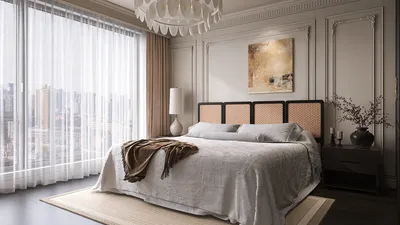


There was a time I applied a glaze to a wall at midnight, driven by the homeowner's desire for their living room to evoke the ambiance of a vintage café. This experience taught me that a lighter touch often results in a more sophisticated finish. During that same project, I successfully implemented a subtle strié technique. If you'd like to explore how these techniques can be visualized in layout designs, I referenced a case study that significantly influenced my approach to flow: one layout case study.
1. Soft Sheen Glaze for Layered Light
Using a soft sheen glaze is a favorite of mine as it gently captures daylight without overwhelming the senses. This technique enhances flat paint colors, lending depth that makes compact rooms feel more tactile. The benefits include an elegant lived-in aesthetic, but be cautious; overworking it may lead to visible brush strokes.
Tip: Always work in natural light and frequently step back to assess your progress — a gentle hand with a bristle brush minimizes streaks, and a straightforward glaze mix helps keep expenses down.
save pin
2. Color-Wash Glaze for Subtle Mood Shifts
For clients looking to create a certain atmosphere without making a bold color commitment, I turn to color-wash glazing. This approach involves mixing a translucent tint with the base coat, allowing for varying gradients that change throughout the day.
Although it permits some leeway for errors, this method can be labor-intensive; therefore, it’s wise to allocate time for small test patches and budget for a trial wall if the color choice is critical.
save pin
3. Faux Plaster Effect for Old-World Character
When a client sought ‘historic texture’ on a limited budget, I recommended applying a thin layer of glaze using a trowel technique. This resulted in a luxurious vintage feel without the cost of traditional plaster.
Advantages include high impact with relatively low material costs. On the flip side, it does require a bit of practice — I suggest conducting a mock-up on plywood before applying it to your main wall. For kitchen projects, I've often referenced past schemes to coordinate finishes and traffic flow; see kitchen plan I used.
save pin
4. Directional Brushwork to Sculpt Space
In tight spaces, I tend to use long vertical strokes of glaze to draw the eye upward, while horizontal strokes can create a sense of width. For instance, I successfully transformed a cramped hallway by applying soft horizontal ribbons of glaze, which psychologically opened up the area.
A word to the wise: directional glazing can highlight imperfections in the wall surface, making thorough preparation essential — patch any holes, sand, prime, and then apply the glaze.
save pin
5. Accent Frames and Wainscoting with Glaze
Rather than glazing an entire room, I prefer to accentuate panels or lower sections with glaze, which adds a touch of luxury without stretching the budget too thin. This technique is particularly practical for renters or those wary of a full-room finish.
It creates an intentional, high-end look, but precise alignment is crucial — remember to measure twice and glaze once. For areas like bathroom niches or small wet spaces, I've documented similar applications during a small bathroom makeover that demonstrated how effectively glaze can function in humid environments: small bathroom makeover I documented.
save pin
FAQ
Q1: What exactly is glaze paint for walls?
A: Glaze is a translucent medium blended with pigment, applied over a base coat to enrich depth, texture, or color variety. Its intended use is to be subtle and layered rather than opaque.
Q2: How durable is a glazed finish on walls that see a lot of traffic?
A: The durability largely relies on the type of glaze and topcoat; opting for a clear protective varnish can enhance wear resistance, although frequent rubbing may dull any finish over time.
Q3: Am I able to glaze over enamel or previously painted surfaces?
A: Absolutely, but it’s vital to ensure proper sanding and a compatible primer for adhesion. Surfaces that are glossy generally require deglossing before applying the glaze.
Q4: What’s the typical time required for applying a glaze technique?
A: Generally, applying glaze in small rooms might take several hours plus drying time; if you're aiming for complex effects or layering, expect to dedicate a few days for drying and touch-ups.
Q5: Is glazing a costly endeavor?
A: The costs for materials are usually modest — the more significant expense is often labor and the time spent practicing. For budget-conscious projects, I advise focusing glazing efforts on an accent wall or specific panels.
Q6: Can glaze be utilized in kitchens and bathrooms?
A: Yes, provided that moisture-resistant clear coatings are applied and adequate ventilation is available. For wet areas, it’s critical to use glazes and sealants designed for higher humidity levels.
Q7: Where can I find professional advice on glazing techniques?
A: Leading paint manufacturers provide comprehensive guides; for instance, Benjamin Moore offers technical resources on finishes and glazing applications (https://www.benjaminmoore.com/).
Q8: How should I approach testing a glaze before I finalize my decision?
A: Always carry out tests on a large sample board, observing it at different times of the day. Ensure the sample has fully cured, as both colors and sheen may shift as they dry.
save pin
Homestyler is your go-to online home design platform, perfect for anyone looking to create beautiful spaces. With its user-friendly design tool, stunning 3D renderings, a wealth of design projects, and informative video tutorials, transforming your home has never been easier or more enjoyable!
Дизайн сейчас бесплатно
































