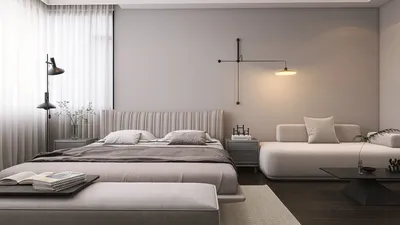


Once, I tackled a 13x24 living room where the homeowners insisted on placing the TV in front of a massive window. It sounds unreasonable, doesn’t it? However, it highlighted a crucial lesson: challenging spaces can spark innovative ideas. Even small room dimensions can ignite grand concepts. Today, I'm excited to share five design strategies I’ve successfully implemented in actual projects to optimize both functionality and style in such spaces. In fact, having a solid plan is essential, and if you haven't used a room planner like Homestyler to visualize furniture arrangements, you're truly missing an essential tool.
Tip 1: Create Zones Without Physical Barriers
A 13x24 living room risks feeling excessively linear without visual separation. I prefer establishing distinct areas using area rugs, back-to-back sofas, or a narrow console table to segment the room into a conversational space and a reading corner. This approach ensures that each section of the room serves a purpose without the need for physical walls that consume valuable space.
save pin
Tip 2: Embrace Vertical Space
When floor area is limited, my focus shifts upward. I incorporate tall bookshelves, vertical artwork, and varying curtain heights to instill a sense of height in the room. One notable downside? Dust can accumulate on higher shelves—my clients generally either appreciate the breezy atmosphere or lament the spring cleaning chores. For careful planning, I occasionally utilize a 3D floor planner like Homestyler to visualize how these elements will fit before making purchases.
save pin
Tip 3: Incorporate Multi-Functional Furniture
In a space of this dimension, utilizing storage benches, nesting tables, and sleeper sofas is invaluable. These pieces help maintain order while ensuring ample walking space. Naturally, when swapping a traditional coffee table for one with hidden storage, don’t forget where you stashed the remote—I've certainly misplaced my fair share!
save pin
Tip 4: Direct the Focal Points
The larger the room breadth, the easier it is for your gaze to wander aimlessly. I strive for one or two standout focal points, such as a fireplace with dramatic lighting or an accent wall painted in a bold hue. Too many focal points can lead to chaos, while too few leaves the space dull. Finding that perfect balance brings immense satisfaction as a designer.
save pin
Tip 5: Layer the Lighting
Relying solely on overhead lighting can quickly render a spacious room feeling flat. I often employ ambient lamps, accent lights, and dimmers to add depth and warmth. While smart lighting solutions can be an investment, they greatly enhance cozy movie nights or lively gatherings. On one occasion, I designed a lighting layout using Homestyler prior to a significant remodel—this saved us significant time on wiring adjustments.
save pin
FAQ
1. What’s the best way to arrange furniture in a 13x24 living room?
Divide the space into zones, for instance, a TV area and a reading nook. Utilize rugs and strategic furniture placement to create clear boundaries.
2. Is a sectional sofa appropriate for this size?
Absolutely, but ensure that the sectional fits within one zone without overwhelming the room's overall layout. Proper measurement before purchase is crucial.
3. How can I create the illusion of a taller room?
Install tall shelves, hang curtains above the window frame, and incorporate vertical artwork to draw the eyes upward.
4. Should the TV be placed on the long or short wall?
The short wall generally offers better viewing angles and helps maintain a balanced layout across the room’s length.
5. What’s the best way to keep a spacious living room feeling cozy?
Layer your lighting, choose warm color palettes, and anchor areas with rugs. Soft textiles contribute to the overall warmth and comfort of the space.
6. What rug size works best for a 13x24 living room?
A large 9x12 rug is ideal for main seating arrangements, providing ample walking space around its edges.
7. Is it acceptable to use different flooring types in various zones?
It can work, provided the transitions are smooth. Consulting a designer ensures a cohesive and intentional look.
8. What design principles should I keep in mind?
Adhere to the balance principle: integrate functional zones, focused focal points, and layered lighting. Prior to selecting furniture, the American Society of Interior Designers advises on conducting a proportion study.
Discover Homestyler, the ultimate online home design platform! With its user-friendly design tool, stunning 3D renderings, and a wealth of design projects and DIY video tutorials, bringing your interior ideas to life has never been easier. Transform your space today!
Дизайн сейчас бесплатно
































