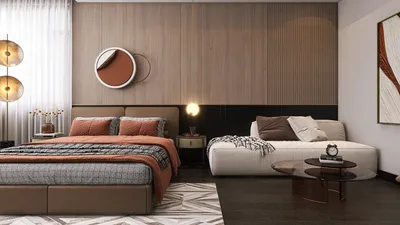
As we edge towards the future of living, my clients today are contending with pressing challenges—limited time, fragmented schedules, and intrusive noise. Exploring the floor plan of a 3 BHK flat at Supertech Pavilion in Noida feels like a glimpse into the future of domestic spaces. This design is inspired by an AIA report emphasizing that flexible layouts and multifunctional rooms have seen increasing interest in projects throughout the U.S. Although the grid may show imperfections, it holds significant potential, and I'm aligning it to meet the demands of tomorrow. Utilizing a spatial reasoning toolkit can facilitate this transition.
Hybrid Core: Kitchen–Dining Junction with Integrated Study Area
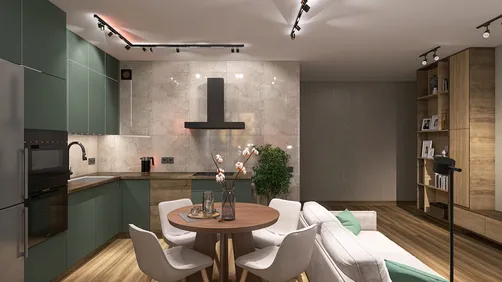
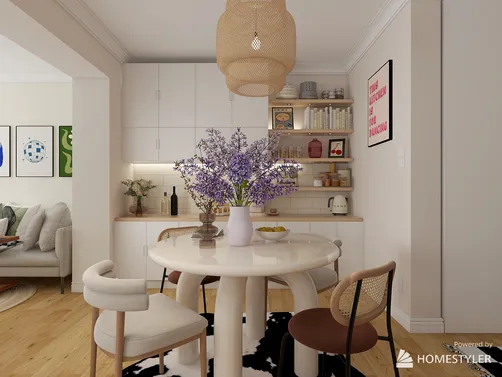
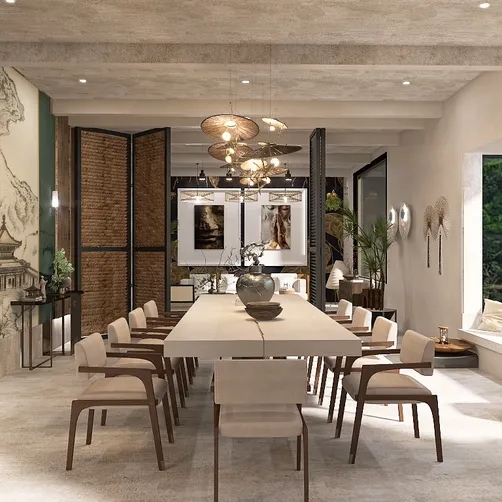
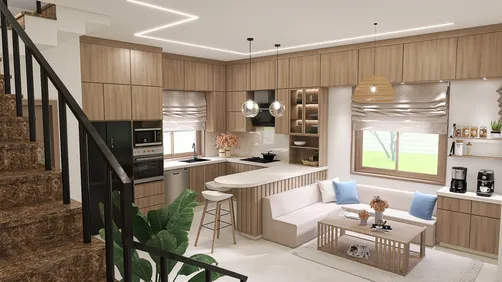
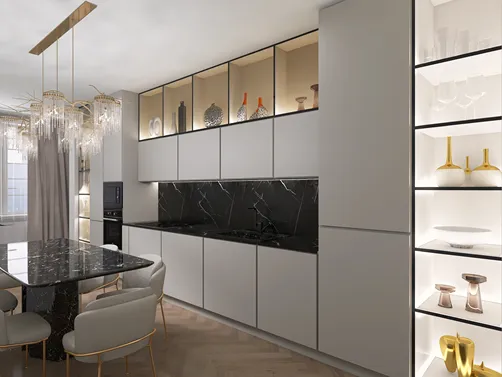
Design Principle: At the heart of this layout lies a central spine that combines cooking, dining, and a compact study area. Today's routines call for multitasking environments instead of separate rooms.
Flow: The pathway navigates from the entryway to a drop zone, flowing into the kitchen island, dining space, and the study nook, ultimately leading to the bedrooms. This orderly design minimizes unnecessary interactions.
Sightlines: Upon entering, the kitchen island serves as a focal point; the dining area maintains a low profile, and the study area features screens that balance privacy, similar to layered user interface elements.
Storage: A tall pantry coupled with base drawers ensures ample storage while avoiding clutter. An unobtrusive wall houses modular shelving for quick access to necessary items during tasks.
Furniture Dimensions: With an 8-seat linear dining table, a 900mm island, and a 600mm study desk, the layout is configured for seamless meal preparation and focused work sessions without interference.
Conclusion: This kitchen-dining spine is designed to accommodate the hybrid work and dining routines of the future, remaining relevant and user-friendly even five years down the line.
save pin
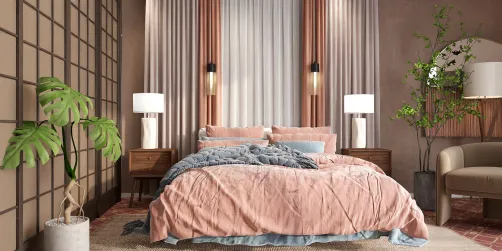
Quiet Wing: Master Suite with Sound Insulation
Design Principle: Sleep serves as a vital system reboot, and integrating an acoustic buffer between the bedroom and hallway shields against urban noise pollution.
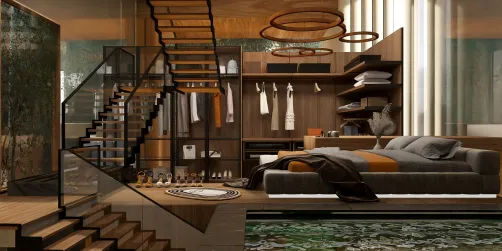
Flow: The layout transitions from the corridor into a buffer vestibule, leading through the wardrobe loop into the bathroom and finally the bedroom. This enclosed loop allows for a calming pause before sleep.
Sightlines: The design offers soft, staggered views—wardrobe partitions create visual order while a low headboard shapes a peaceful perspective; direct light from the corridor is kept at bay.
Storage: Featuring dual-run wardrobes with upper storage options; spacious under-bed drawers for seldom-used items; and bathroom niches for easy access to essentials.
Furniture Dimensions: The layout includes a 1.9m bed, 500mm bedside tables, and 600mm wardrobe depth, ensuring circulation remains unobstructed even with laundry activities.
Conclusion: This master suite functions like a personal privacy protocol—reliable, secure, and able to adapt to evolving sleep technologies.
save pin
Kids/Guest Flex: Adaptable Room with Functionality for Play and Work
Design Principle: This room creatively blends play, study, and hosting needs, enabling future generations to thrive in environments that can easily transition between activities.
Flow: A sliding door leads to a foldable desk and a wall-bed structure, seamlessly extending into an outdoor balcony. The space shifts from an active play zone to a calm area in moments.
Sightlines: The design maintains clarity with low storage units, while a vertical peg wall introduces a visually engaging method to organize toys, artwork, and gadgets.
Storage: Includes drawers beneath windows, track bins attached to the ceiling, and clearly labeled compartments, ensuring order is easy to maintain even as routines change.
Furniture Dimensions: Incorporates a 1.6m wall-bed, a 1200mm foldable desk, and a soft play area measuring 1.8m; carefully considered dimensions prevent conflicts with door swings and chair movement.
Conclusion: This flexible room is adept at adjusting to family rhythms, promising smooth transitions for years ahead without frequent furniture changes.
save pin
Key Insights
The 3 BHK layout designed for Supertech Pavilion operates less like a rigid structure and more like an interactive living environment—navigating energy, focus, and rest. Variations similar to the design of three-bedroom units and modern Indian apartments can adapt these principles without requiring larger spaces. From my observations, the most intelligent homes of the future will emphasize intentionality over size, showcasing how effective flow and storage can subtly enhance daily life experiences. Additionally, using design tools like Homestyler can aid in visualizing these concepts in an engaging manner.

Homestyler is your go-to online home design platform! With its user-friendly design tool, stunning 3D renderings, diverse design projects, and helpful DIY video tutorials, it empowers you to create your dream space effortlessly. Dive in and unleash your creativity today!