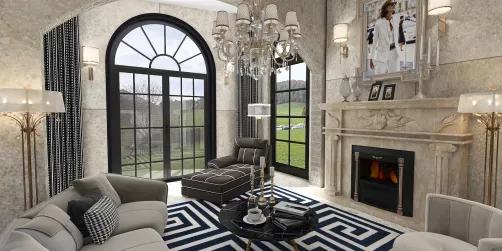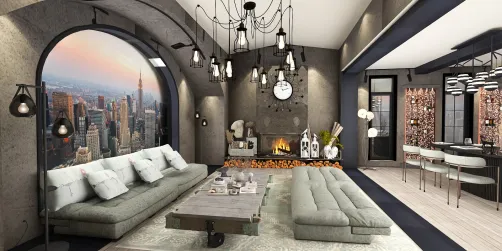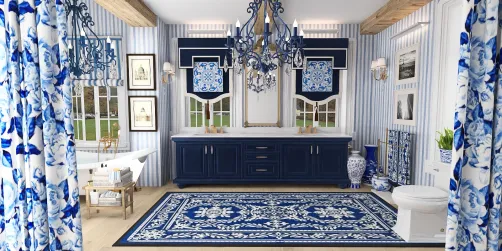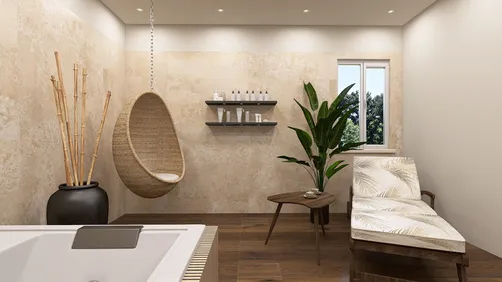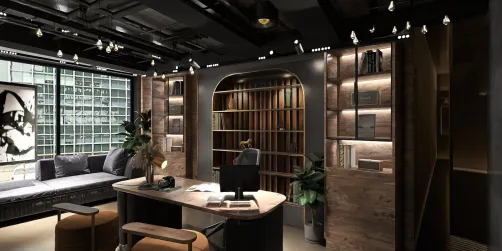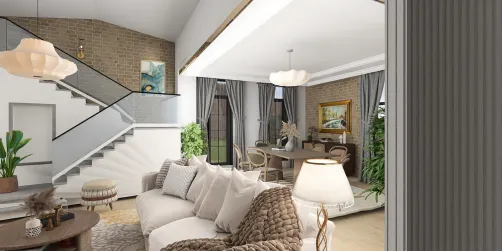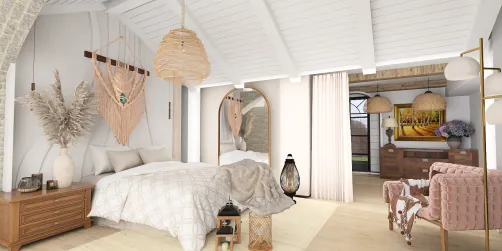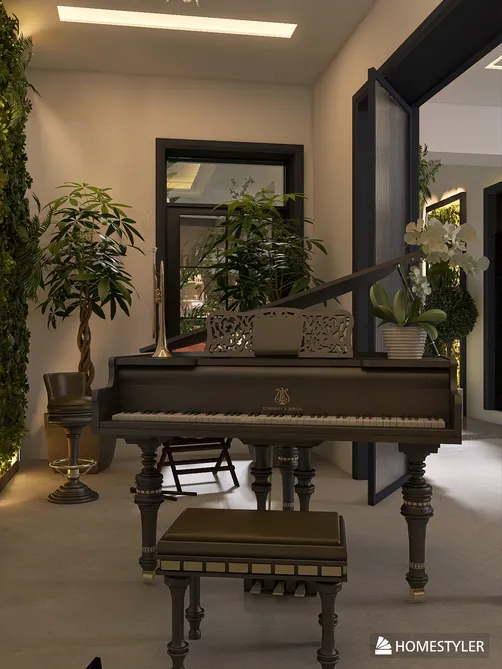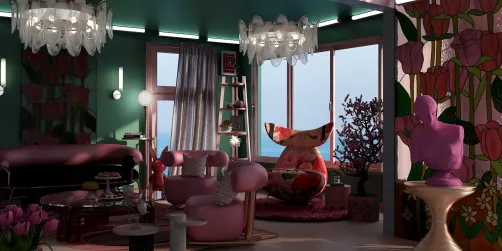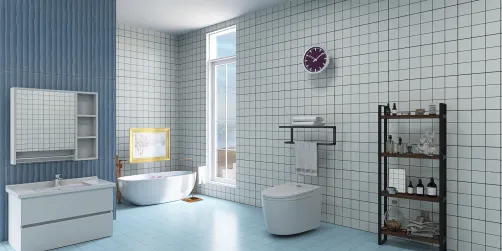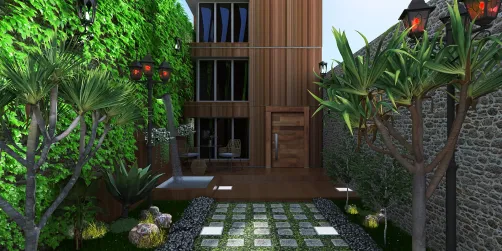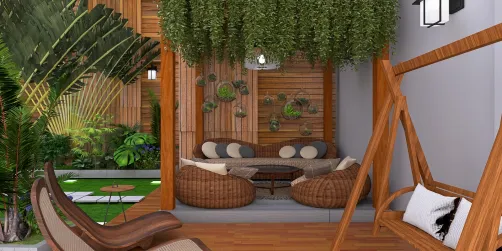
As we look towards the future of living, my clients find themselves grappling with present-day challenges—including aging parents, humid climates, and the ever-changing dynamics of multigenerational households. Recent data from the AIA indicates a growing need for flexible designs and durable materials, making the single-story traditional Kerala home plan an ideal solution for embracing change. The layout presents an elegant blueprint for the rituals of tomorrow: the verandah serves as a thermal shield, the courtyard provides a sense of openness, and the prayer nook anchors spiritual practices—all traditional elements perfectly tuned for modern needs. Here’s how I optimize the single-floor design to meet the demands of the next decade of living in harmony with Homestyler.
spatial design strategy
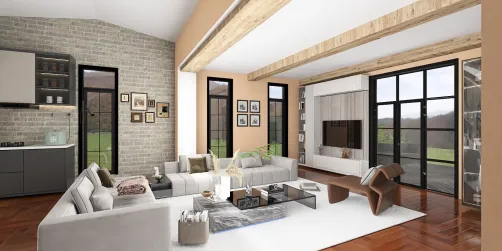
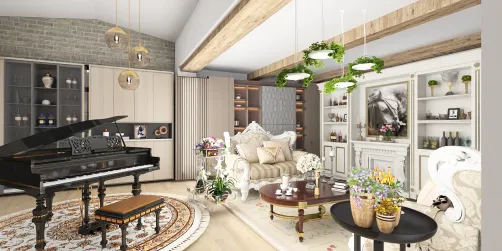
Verandah Circuit + Central Courtyard
Design Principles: The verandah mitigates heat while welcoming guests; the central courtyard acts as a thermal and social hub, effectively managing humidity and maintaining close-knit rituals.
Flow: The path leads through entry → seating area → living room → courtyard → dining space → kitchen, creating a smooth loop that accommodates guests and seasonal changes.
Sightlines: Low parapets frame the lush green core; the living space invites light and nature without exposing private rooms, creating a layered experience from public to personal.
Storage: Benches integrated into the verandah, niches for prayer items, and perimeter cabinetry serve as functional storage solutions; keep dry goods near the kitchen and linens close to the living area.
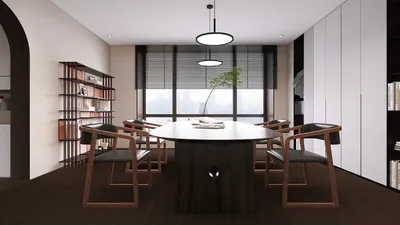
Furniture Arrangement: A sofa module between 2.1–2.3m, slim armchairs, and maintained 900mm circulation space; a dining table at 1.6–1.8m in an oval shape promotes free movement around the courtyard.
Conclusion: This framework transforms a conventional layout into a cohesive system, capable of accommodating celebrations, storms, and everyday changes over a five-year timeline without needing a complete redesign.
save pinOpen in 3D Planner Processing...
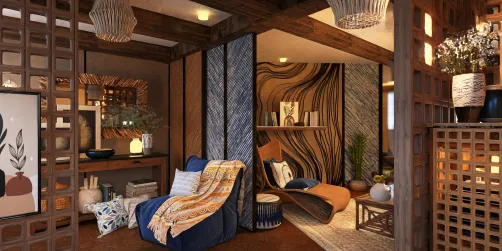
Prayer Area + Caregiver Suite Buffer
Design Principles: The prayer nook offers a moment of quiet reflection, while placing the parent suite near the entrance minimizes travel distance, blending tradition with accessibility for future caregiving.
Flow: Pathway leads from entry → prayer nook → parent suite → accessible bathroom → garden path; this predictable route reduces steps and cognitive load.
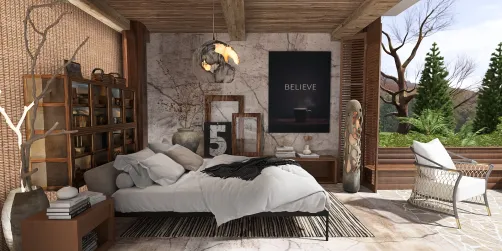
Sightlines: Soft, diffused light filters into the prayer nook, providing a serene atmosphere; the parent suite overlooks the garden rather than the circulation path—maximizing privacy while minimizing disruptions.
Storage: Vertical shelves for puja items, under-bed drawers, and 450mm-deep wardrobes offer quick access to essentials; proximity of medicine and linens near the bathroom is prioritized.
Furniture Arrangement: Bed dimensions at 1.8–2.0m with 1.0m clearance on the hinge side; a prayer platform 600mm in depth; grab rails are strategically positioned like API endpoints in the bathroom.
Conclusion: This thoughtful buffer enables the continuity of rituals while prioritizing future mobility; in the coming years, it fosters ease of care and tranquility.
save pinOpen in 3D Planner Processing...
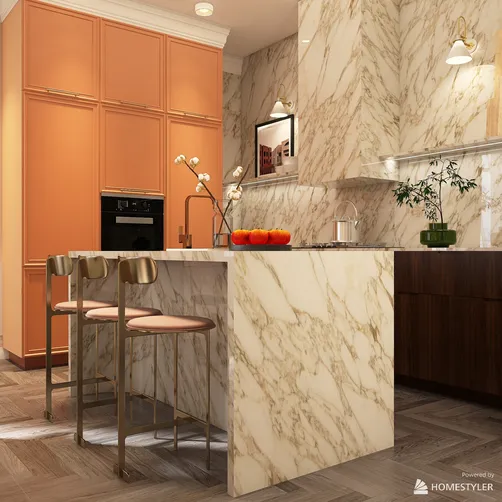
Kitchen and Utility Space with Monsoon Efficiency
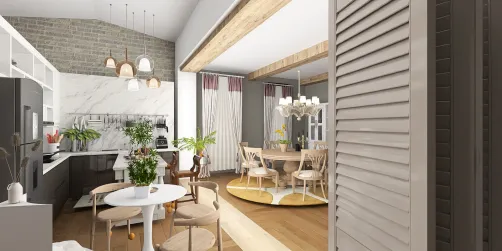
Design Principles: A wet utility area is distinct from the cooking zone, allowing for cross-ventilation and drying space—transforming Kerala's rains into an asset rather than a nuisance.
Flow: The sequence flows from pantry → preparation → cooking → serving → utility → drying area; an efficient design that channels moisture away and promotes the cooking process.
Sightlines: Natural light from the courtyard illuminates work areas; the utility space is visually accessible yet unobtrusive—using indicators rather than abundant noise.
Storage: Base units at 600mm and upper units at 350mm, with a tall pantry featuring labeled storage; open shelves facilitate daily access, while sealed containers preserve spices and grains.
Furniture Arrangement: An L-shaped cook area measuring between 2.7–3.2m, 900mm aisles, and foldable drying racks; a breakfast ledge of 450mm provides compact seating options.
Conclusion: This combination effectively regulates humidity and enhances time management; in five years, the kitchen evolves to become a dependable space—consistent, peaceful, and robust.
save pinOpen in 3D Planner Processing...
## Final Thoughts
The single-story traditional Kerala home plans are far from outdated; they represent purposeful designs that cater to climate, culture, and care. By maintaining intelligent flow and storage solutions, these layouts become resilient frameworks, adaptable to celebrations, elderly care, and remote working needs. In my practice, I frequently observe how small spatial decisions can profoundly influence everyday life, and I am convinced that this one-level design philosophy will gracefully endure into the future, particularly when integrated seamlessly with tools like Homestyler.


Discover the magic of home design with Homestyler! This user-friendly online platform offers a cutting-edge design tool, stunning 3D renderings, and a wealth of inspiring design projects. Dive into DIY with helpful video tutorials and turn your vision into reality effortlessly. Transform your space today!