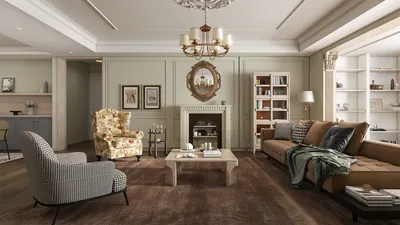


When considering lighting for the living room, I view it as a strategic layering of light types—ambient, task, and accent—integrated with the ceiling fixture layout. A well-illuminated space should appear effortless, yet it results from meticulous attention to light levels, glare management, and dimming solutions. According to the Gensler U.S. Workplace Survey, one of the key environmental factors affecting comfort and productivity is lighting; in living rooms, this enhances relaxation, clarity, and flexibility in atmosphere. WELL v2 guidelines recommend controlling glare levels to an acceptable limit and promote adjustable lighting; pairing dimmable ceiling fixtures with easy-to-use lighting scenes significantly boosts usability and satisfaction, aided by platforms like Homestyler.
Setting measurable goals makes decision-making more objective. For typical living rooms, I target an ambient light level of 100–300 lux and aim for 300–500 lux in versatile task areas, adhering to common practices informed by IES illumination guidelines. The color temperature is crucial as well; warmer tones between 2700–3000K create a cozy evening feel, while 3000–3500K is optimal for daytime without harshness. Steelcase research shows that adjustable environments enhance perceived control and comfort; therefore, incorporating dimmable lighting and circadian-responsive settings promotes that flexibility.
Establishing the Ceiling Lighting Framework
Ceiling fixtures form the foundation of the lighting design. In open-concept living areas, I typically begin with a symmetrical layout of recessed downlights, spaced approximately 1.2–1.5 times the ceiling height to ensure overlapping light beams and consistency while avoiding direct sightlines to minimize glare. Where there are central focal features—like a fireplace or an art installation—using accent trims with narrower beam angles (15°–25°) establishes a visual hierarchy, while broader beams (40°–60°) serve for ambient lighting. When the room's configuration varies, I utilize a design tool such as Homestyler to simulate various positions and assess light distribution before finalizing.
Pendants, Chandeliers, and Decorative Lighting Without Glare
Pendants and chandeliers contribute character to a space, but their design significantly impacts comfort. I prefer fixtures with diffused light sources using high-quality opal glass, fabric, or microprismatic lenses to soften shadows on faces. The hanging height is also essential: for clustered pendant arrangements in lounge areas, the bottom usually hangs 28–34 inches above the coffee table, while a clearance of at least 7 feet is required in passage zones. Adjustable dim-to-warm features (from 3000K to 2000K) seamlessly transition into evening ambiance. In spaces with televisions, any standout decorative pieces should dim below 10% to prevent screen glare.
Layered Lighting Design: Ambient, Task, and Accent
I organize lighting in layers: ambient lighting, provided by recessed or surface-mounted fixtures with low glare to create a consistent background glow; task lighting, achieved through adjustable ceiling-mounted spots or track lights directed at reading areas or game tables, ensuring focus lighting remains within 300–500 lux without flooding the entire room; and accent lighting, which includes wall grazing or ceiling coves to highlight textures, bookshelves, or art pieces, maintaining a 3:1 contrast ratio against ambient light to provide depth while minimizing fatigue. Independent dimming for each lighting layer is vital for transitioning from lively gatherings to intimate evenings effortlessly.
Color Temperature, CRI, and Comfort in Lighting
Living rooms evoke emotional responses. Warm-white LEDs (2700–3000K) foster relaxation, while a higher Color Rendering Index (CRI of 90+) retains natural skin tones and material details. According to insights on color psychology from Verywell Mind, warm shades inspire feelings of comfort and tranquility—hence, ceiling lighting ought to enhance rather than disrupt these color schemes. It is crucial to maintain consistent color temperatures between fixtures; mixing different temperatures, such as 2700K and 4000K, can lead to a jarring visual experience. For rooms where art and wood finishes are prominent, selecting LEDs with elevated R9 values preserves the vibrancy of reds.
Managing Glare and Controlling Light Beams
Ceiling fixtures can inadvertently create discomfort if not properly shielded. I prefer recessed lights featuring deep recesses and matte baffles; cut-off angles exceeding 35° help minimize direct glare. For shiny surfaces like lacquered cabinets or polished stone, employing wider beams with softer edges or pivoting heads can prevent direct light reflection. In spaces with lower ceilings, semi-flush mounts with diffusers can ensure even light distribution without creating hotspots, and adjustable trims effectively focus lighting as needed.
Ceiling Height and Spatial Dynamics
The height of the ceiling dictates the choice of fixtures and their arrangement. In 8-foot ceilings, opt for smaller fixture diameters and closer spacing to avoid scalloping effects. For heights between 9 and 10 feet, consider layered coves and larger central fixtures for proportion consistency. In vaulted or double-height areas, integrating a central chandelier for scale with surrounding downlights mitigates any cavernous appearance. I often evaluate success through vertical illumination: effectively lighting faces and walls—not just the flooring—instills a warm and balanced visual perception.
Intelligent Controls, Dimming Features, and Lighting Scenes
Control is a crucial aspect of design. I configure presets such as "Morning" at 3000–3500K with higher illuminance levels and robust task lighting; "Evening" at 2700K with lower ambient lighting and pronounced accent features; and "Movie" mode with minimal ambient light and focused pathway lighting. WELL v2 clearly highlights the importance of controllable lighting as a comfort factor—designating separate dimmers for each layer of ceiling lighting allows for personal preferences. When utilizing smart controls, ensure that drivers are flicker-free and dimming is smooth to prevent discomfort.
Acoustic and Material Impacts in Ceiling Design
Ceiling fixtures influence acoustic properties. Hard, reflective surfaces can exacerbate noise; incorporating acoustic panels or textured finishes around lighting can help diminish echo. Fabric shades and timber slat ceilings with integrated lighting offer a warm feel while reducing sound reflection. In more active household environments, I avoid high-gloss diffusers that amplify reflected brightness and visual distractions.
Sustainability, Energy Saving, and Maintenance Tips
Modern LED technology demonstrates impressive energy efficiency. Look for fixtures that yield 80–100 lumens per watt (lm/W) and have high-quality drivers. Opt for modular designs which allow for easy driver access and replaceable light engines to enhance longevity. In large living spaces, zoning lighting by purpose can conserve energy while enriching the overall experience. Regular maintenance, such as keeping diffusers and lenses dust-free, can help restore light output and uniformity with minimal effort.
Custom Layouts: Open-Plan, Media Spaces, and Art Showcases
Open-plan living areas benefit from wall-washing lighting from the ceiling to define edges, complemented by a central light source for conversation areas. Media-oriented environments require dimmable ambient lighting of 100–150 lux during viewings, coupled with task lighting positioned away from screens. Art-centric rooms should utilize adjustable ceiling spots (CRI of 95+ for accurate colors) directed at a 30° angle towards walls to mitigate glare and preserve color integrity. When rearranging furniture, I use an interior layout planner like Homestyler to experiment with aiming and spacing to ensure even illumination.
Common Errors in Lighting—And Their Solutions
One frequent mistake is insufficient circuits; when too few zones are utilized, everything becomes overly uniform. It’s advisable to establish at least three distinct zones: ambient, task, and accent. A disparity in fixture color can lead to discord; standardizing CCT and CRI across the set prevents this. Commonly, bright centers juxtaposed with dark edges can happen; effectively employing wall-washing and vertical illumination solves this. Lastly, the absence of dimming options needs to be rectified from the outset with compatible drivers and scene control.
FAQ
For general ambient lighting, aim for 100–300 lux, while specific task areas like reading spaces should target 300–500 lux. Independent dimming for various zones ensures flexibility.
The color temperature of 2700–3000K fosters warmth and calm. Incorporating dim-to-warm fixtures that transition down to 2000K creates an inviting environment without harsh lighting.
Implement deep-recessed trims, utilize matte baffles, and ensure cut-off angles exceed 35°. Fixtures should not be within direct sightlines, and wider beams are preferable for reflective surfaces.
Definitely. A CRI of 90+ maintains natural tones and material nuances. High R9 values are especially beneficial for those who appreciate vibrant reds in art and textiles.
As a starting point, I recommend spacing fixtures about 1.2–1.5 times the ceiling height and then adjusting based on the beam angle and room dimensions.
Maintain ambient lighting at approximately 100–150 lux during viewing sessions, avoiding direct light on screens, while dimmable accents enhance the atmosphere and illuminate pathways.
Both aspects matter. Choose fixtures with diffused optics, appropriate size dimensions, and dimming capabilities to mitigate any hotspots. Ensure a minimum clearance of 7 feet in high-traffic zones.
Yes, indeed. Studies indicate that controllability enhances satisfaction; thus, assigning separate dimmers for ambient, task, and accent lighting layers encourages a scene-based living experience.
Establish scenes such as daytime settings at 3000–3500K featuring brighter ambient options; evenings at 2700K with pronounced accent lighting. Consistency in CCT across fixtures is essential.
To manage glare, employ adjustable spots (CRI 95+) at a 30° angle, use tight beams (15°–25°), and ensure independent dimming for effective contrast control.
Absolutely. Utilizing textured or acoustic treatments minimizes reflections and glare. Integrating lighting into slats or panels can soften both sound and brightness effectively.
Before installation, simulate positions and beam spreads using a layout visualization tool such as Homestyler to evaluate glare levels, brightness, and pathway illumination.



Homestyler is your go-to platform for transforming home design ideas into reality. With its user-friendly online design tool, stunning 3D renderings, and a wealth of DIY video tutorials, it empowers you to create beautiful spaces effortlessly. Explore your creativity today!
Дизайн сейчас бесплатно
































