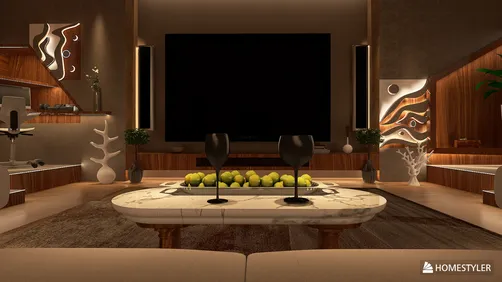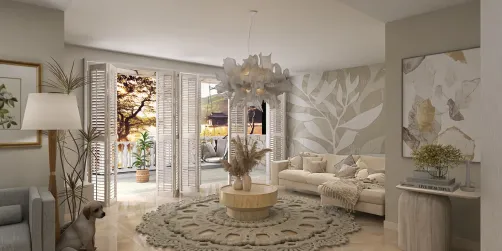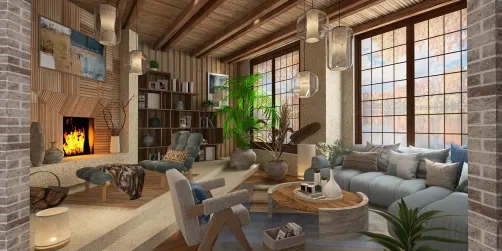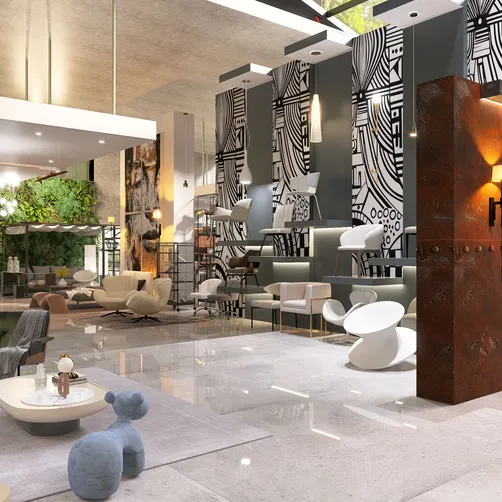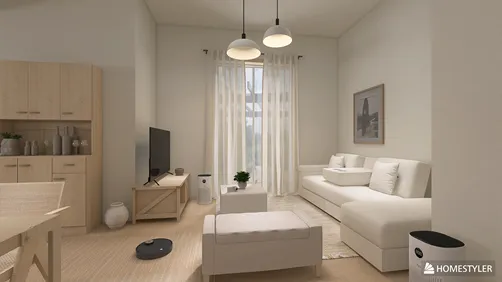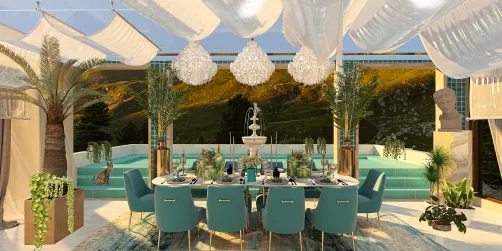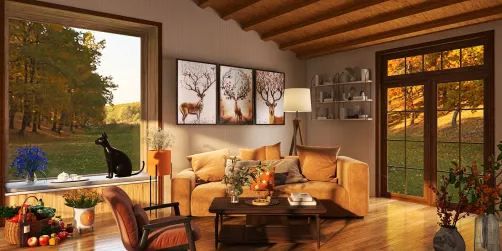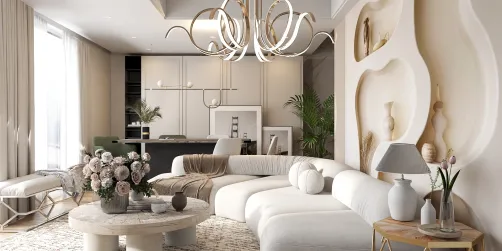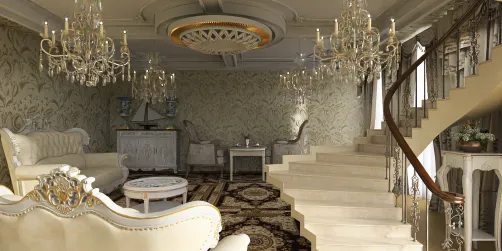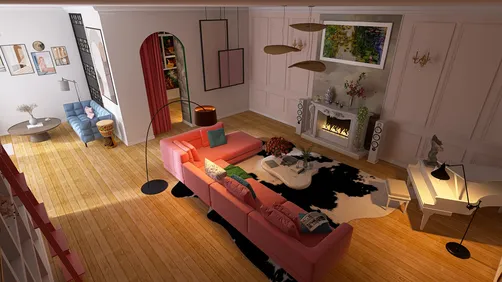
I have crafted numerous compact four-bedroom residences where every square foot is utilized to its fullest potential. The ideal approach lies in striking a balance between circulation, storage solutions, and natural light, ensuring the home feels spacious without enlarging the footprint. This entails eliminating unnecessary hallways, stacking bathrooms efficiently, and organizing spaces for rest, study, and social interaction. Research consistently supports these design principles, as Gensler's findings highlight that natural light is the most sought-after feature in workplaces, correlating with enhanced well-being and productivity—in essence, the same principles apply to residential design when creating study areas and home offices that maximize daylight exposure.
When designing compact homes, ergonomics are just as vital as the floor area. The WELL v2 guidelines suggest achieving task lighting levels between 300–500 lux for focused activities, with warmer ambient light for relaxation, thus helping families create the right atmosphere in multifunctional spaces. In my designs, I aim for ambient lighting in bedrooms around 2700–3000K, and task lighting in study areas or kitchen zones between 3500–4000K to promote circadian comfort while minimizing glare. For movement throughout the home, I ensure that major pathways are at least 36 inches wide, expanding to 42 inches in high-traffic kitchen areas to prevent congestion—small details that have improved countless busy mornings.
Fundamental Strategies for Efficient Four-Bedroom Designs
It's essential to begin with a well-defined zoning plan: allocate areas for social interaction (living, kitchen, dining), semi-private zones (study, playroom), and private spaces (bedrooms). Bathrooms should be stacked on top of one another, and kitchens should align with utility areas to streamline plumbing needs. Bedrooms can be modestly sized—around 100–130 sq ft for secondary rooms—to ensure shared areas can breathe. Another key aspect is maximizing daylight: position bedrooms and workspaces in optimal orientations, provide corner windows for living areas whenever feasible, and utilize borrowed light from transoms or glass partitions to diminish reliance on full-height walls.
Illumination, Color, and Acoustic Considerations
The quality of light significantly influences the perception of space. I implement layered lighting—combining ambient, task, and accent types—to minimize contrast and reduce visual fatigue. The Illuminating Engineering Society (IES) advises minimizing glare and ensuring uniform lighting; utilizing dim-to-warm LEDs facilitate an easy transition into evening relaxation. Color has psychological impacts: hues like serene blues and soft greens foster tranquility and concentration, making them perfect for bedrooms and study spaces, while warm neutrals ground social areas. To enhance acoustic comfort, prioritizing soft materials such as rugs and upholstered furniture is key, alongside solid-core doors and sound insulation to ensure conducive spaces for late-night studying or early calls.
Optimized Kitchen and Dining Solutions
In a compact design layout, the kitchen serves as the essential hub. A galley setup with 42-inch pathways or a modest L-shape with a 30–36-inch island functions well. It’s crucial to maintain a compact work triangle, keeping the distance between the sink, cooktop, and fridge within 4–9 feet. Incorporate pantry pull-outs and ceiling-high cabinets to maximize visual storage without cluttering space. For anyone evaluating layout options or required clearances, a room layout tool can effectively simulate spatial flows and lines of sight while adhering to confinement restrictions, such as those offered by Homestyler.
Bedroom Dimensions and Storage Solutions
Having four bedrooms doesn't necessitate equal sizing; the focus should be on maximizing the primary suite while designing the fourth room to be versatile. Secondary rooms sized at 10'×10' can accommodate a twin or full bed, wardrobe configurations, and a compact desk. Implement built-in storage wherever feasible—like window seats with beneath-drawers, wall-to-wall wardrobes with sliding doors, and cabinets mounted above door frames. Tall, shallow storage options are preferable, as they save floor space and facilitate quick visibility. For shared children's bedrooms, loft beds can create additional play space, while ceiling fans enhance thermal comfort without occupying floor area.
Bathrooms and Wet Space Design
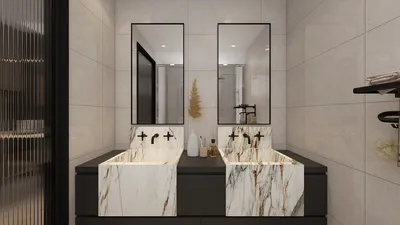
By stacking wet rooms, costs and noise can be effectively minimized. A compact 5'×8' bathroom may feature a tub-shower combination, while an en-suite for the primary suite can be designed at 6'×9' with a walk-in shower. Pocket doors are ideal for tight spaces, and wall-mounted toilets or vanities preserve visual space. Proper ventilation is crucial—opting for quiet exhaust fans and considering a window in the primary bathroom when feasible is advisable. It's also practical to keep laundry areas near bathrooms or kitchens to share plumbing and create shorter household routes.
Optimizing Circulation Without Wasting Space
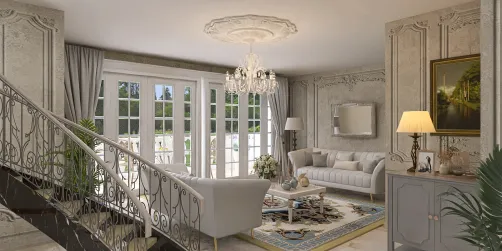
To avoid single-use corridors, integrate them with storage solutions or display areas. A central spine wall designed with built-in millwork can serve both circulation and organization functions. Position stairs centrally for space efficiency; switchback stairs offer a compact alternative and can have storage or powder rooms nestled below. Ensure that sightlines are directed toward windows or focal points to create a sense of openness despite the home's layout.
Flexible Use of Space: The Adaptable Fourth Bedroom
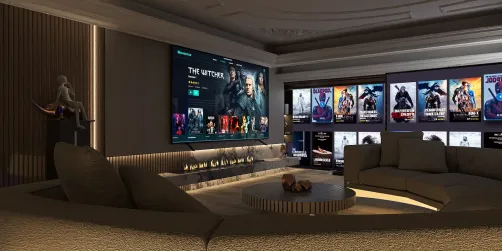
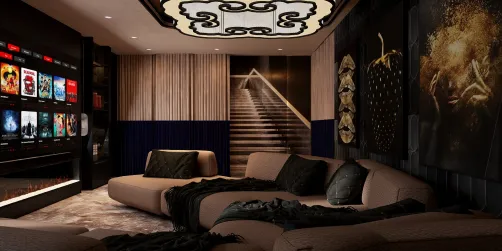
Often, the fourth bedroom serves multiple functions as a study, guest accommodation, or media room. I design it with soundproofing in mind, incorporating a hidden Murphy bed and data ports conveniently located by the desk. If situated adjacent to the living area, glass pocket doors along with curtains facilitate privacy when needed. It’s imperative to select lightweight, modular furniture to allow for reconfiguration as demands evolve.
Enhancing Outdoor Living and Thermal Strategies
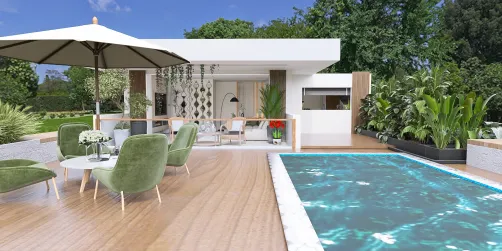
Compact residences reap significant advantages from outdoor living spaces. A covered porch extending 6'–8' deep effectively broadens the living area, complete with ceiling fans and ambient lighting at 2700K for a serene atmosphere. Implementing cross-ventilation by having windows on opposing sides of major rooms stabilizes temperatures and lowers energy expenditures. Planting deciduous trees on the west side provides summer shade, while utilizing light, matte exterior finishes minimizes heat retention.
Material Selection and Sustainability Practices
Opt for resilient, low-VOC materials: engineered wood flooring, quartz countertops, and water-based paint finishes. In compact homes, surfaces face more wear, so durability is paramount. Consider utilizing recycled-content insulation and high-SCR (color rendering) LED fixtures for true color representation and reduced eye strain. If evaluating performance and well-being features, the WELL Building Standard provides clear guidelines regarding light, air quality, and materials, which seamlessly translate from commercial to residential settings: WELL v2.
Three Effective Four-Bedroom Small Home Layouts
One layout features bedrooms stacked on one side, with living areas enveloping a compact internal courtyard. This design allows light to permeate deeply within the structure, and sliding doors can open the living-dining space to the courtyard for social gatherings. Wet rooms align along a shared wall, while the fourth bedroom is oriented towards the courtyard for a quiet study environment.
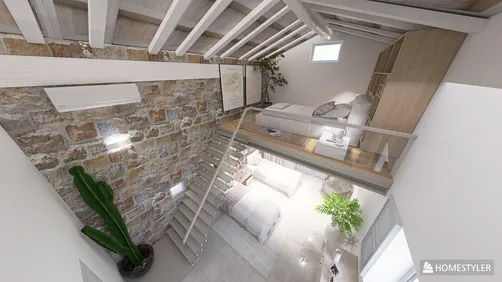
Another configuration places bedrooms half a flight up, while a half-flight down accesses a media den and laundry area, maintaining compactness while distinctly separating sound zones. The kitchen is strategically located between social spaces, featuring a breakfast bar that views the living area.
A further option features rooms arranged along a single daylight corridor, with windows on both sides. Ample built-in storage lines this corridor, and the use of pocket doors allows for seamless transitions between open-plan living or complete privacy for specific areas. The fourth bedroom, located near the entrance, can serve as a guest suite or office, adding great versatility.
Essentials of an Effective Lighting Plan
Establish a consistent baseline for ambient lighting (8–12 footcandles in circulation areas) while elevating task zones (30–50 footcandles) in kitchens and working spaces. Shield light sources to mitigate glare and incorporate bedside sconces with dimmers to enhance versatility. In petite rooms, ceiling-mounted fixtures with broad beam angles can distribute light uniformly without causing hotspot effects.
Workflow Planning and Visualization Techniques
I initiate by sketching adjacency diagrams, followed by massing blocks to analyze lighting pathways. Once the primary zones are established, I refine furniture arrangements to verify ample clearances. Using digital tools like an interior layout planner expedites testing of flow patterns, door swings, and adaptable furniture setups within tight spaces, effectively employing applications such as Homestyler.
Frequently Asked Questions
Most families find homes between 1,200–1,450 sq ft effective, featuring modest bedroom sizes and efficiently arranged communal environments. The focus should be on vertically stacking wet rooms, minimizing hallways, and prioritizing daylight in task-oriented spaces.
Primary suites typically range from 130–180 sq ft, while secondary bedrooms measure between 100–130 sq ft. When space is constrained, the use of built-in furniture and sliding doors can help recover circulation space.
To enhance sound reduction, utilize solid-core doors, appropriate seal stops, staggered stud walls for shared spaces, and soft finish materials. Position noisier rooms (like media or study) away from the smallest bedroom for improved sound management.
Lighting should be maintained at 2700–3000K in bedrooms, while study and kitchen tasks should be aligned at 3500–4000K. Aiming for 300–500 lux at desks per WELL standards is essential, as is including dimmers in bedrooms to aid in evening relaxation.
A compact galley kitchen or an efficient L-shape with a small island strikes a balance between storage and functionality. Ensuring 42-inch pathways prevents collisions and maintains a tight working triangle is crucial.
Place the fourth bedroom close to social areas with ample daylight, allowing it to function as a home office or guest room. Utilizing pocket or glass doors along with curtains assists in achieving privacy balance.
Maximize vertical storage with floor-to-ceiling wardrobes, cabinets above doors, and built-in window seating. Sliding doors and shallow shelves increase visual clarity and organization.
Choosing soft neutral colors with cool undertones can help create an illusion of space. Use deeper accent colors sparingly to create focal walls; calming colors such as blues and greens are excellent choices for promoting peace and focus in designated areas.
Indeed, it is possible to create harmony in a compact layout when integrating effective acoustic strategies and layered lighting. Utilize partial-height walls, screens, or pocket doors to optimize privacy when needed.
A 6'–8' deep covered porch combined with simple landscaping can extend usable living areas considerably. Orient seating arrangements to take advantage of natural breezes, while deciduous trees provide shade for western exposures.
Numerous design principles closely align with WELL v2 standards—prioritizing natural light access, ergonomic lighting solutions, low-VOC materials, and effective ventilation. Implementing these guidelines can greatly enhance comfort and performance in residential environments.


Homestyler is your go-to online home design platform! With its user-friendly design tool, stunning 3D renderings, extensive design projects, and helpful DIY video tutorials, transforming your home vision into reality has never been easier. Start your design journey today!